
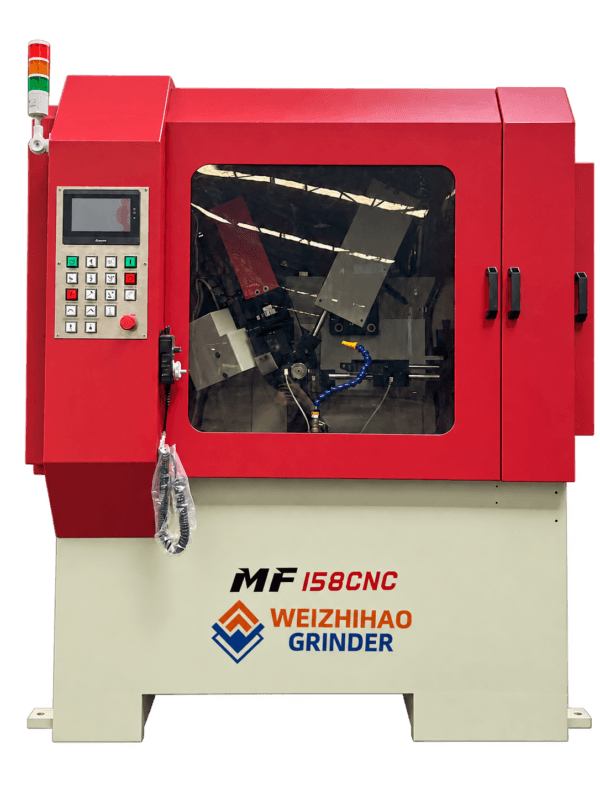
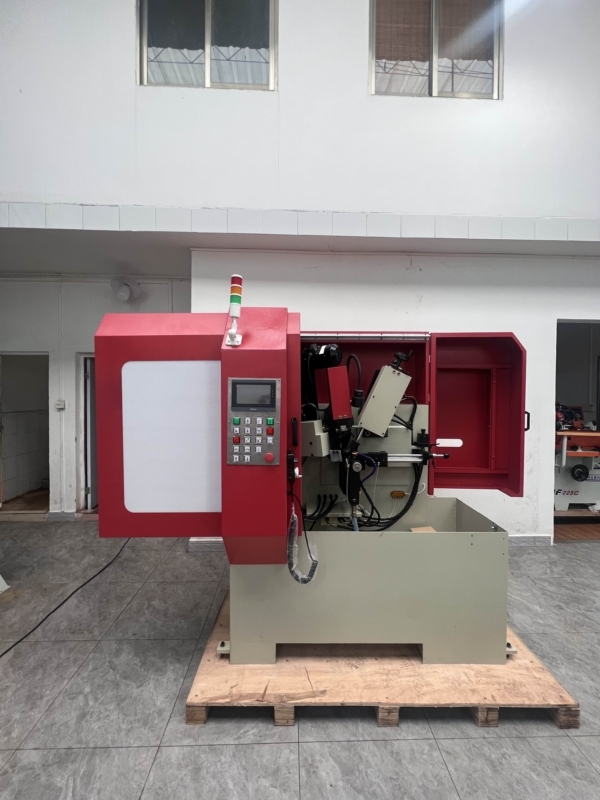
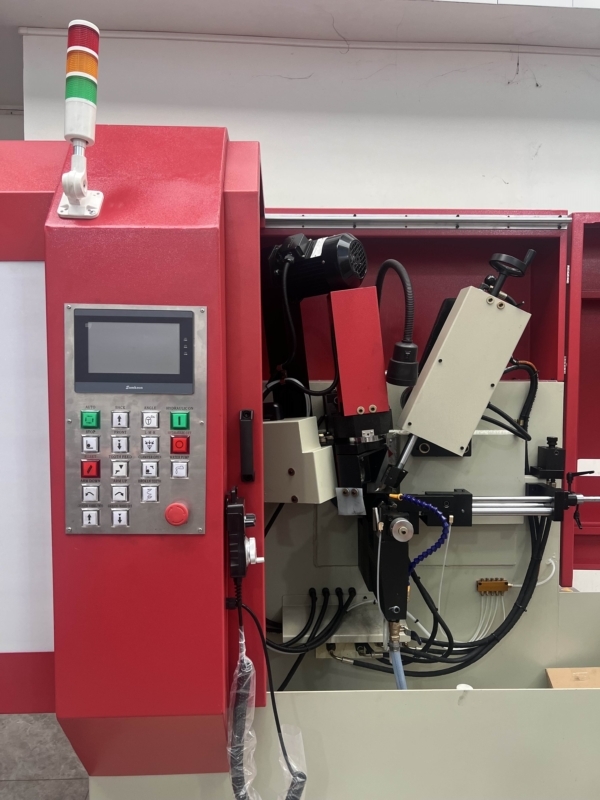
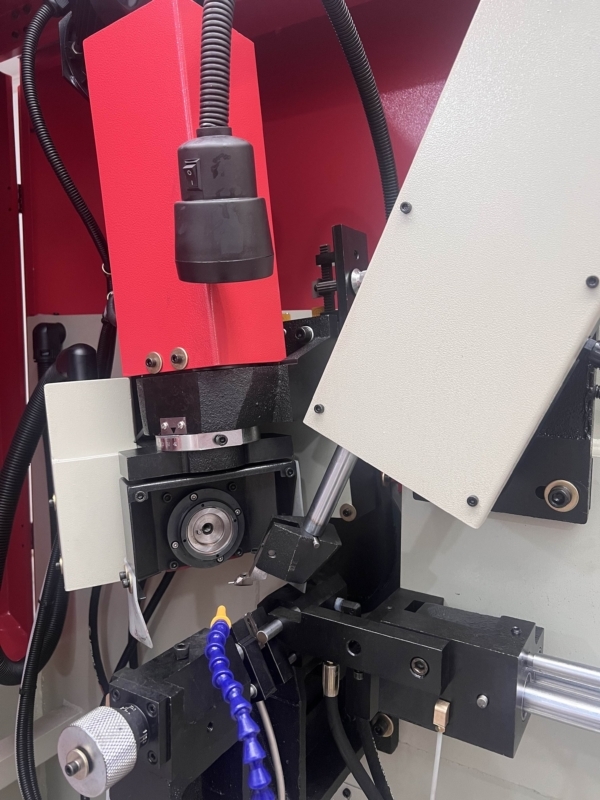
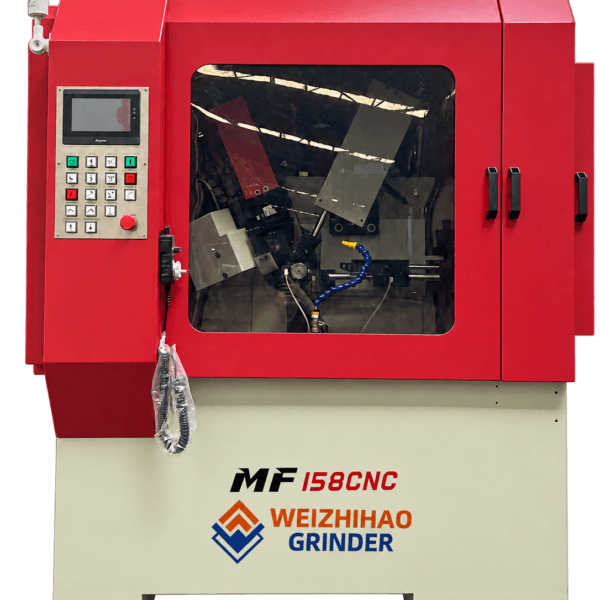
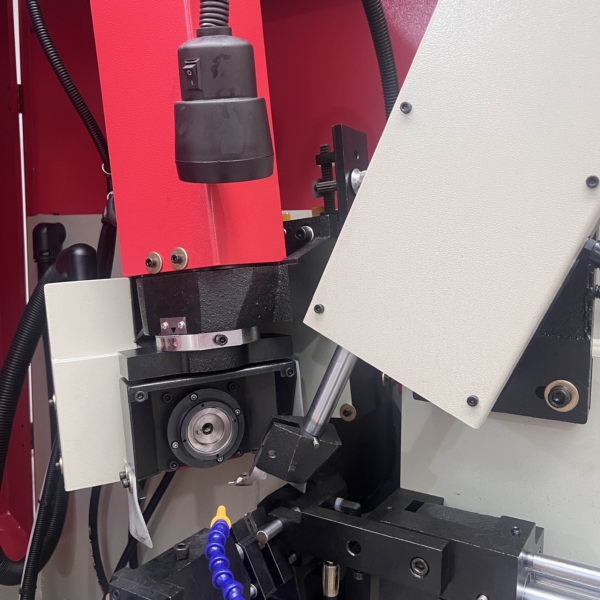
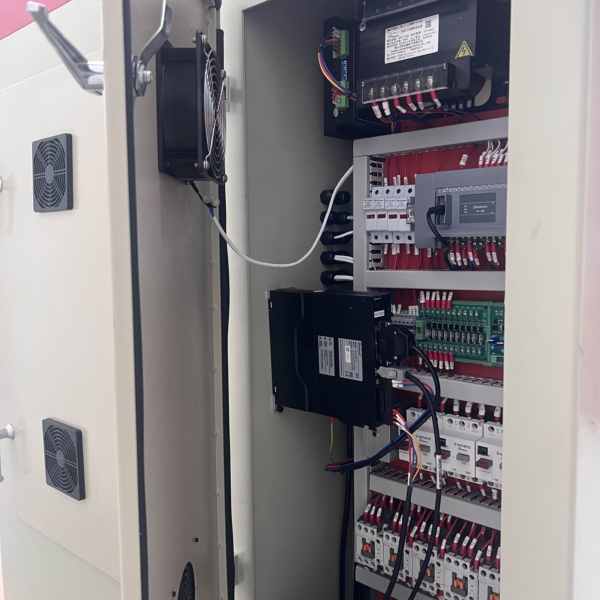
MF158CNC Circular Saw Blade Sharpening Machine
MF158CNC is a CNC circular saw blade sharpening machine with servo feed and digital angle setting for Ø100–Ø800 mm saw blades. Confirm tooth geometry, tooling and grinding operations against your blade samples.
Need help matching MF158CNC Circular Saw Blade Sharpening Machine?
Send your blade/tool details, voltage, quantity, and destination country. Weizhihao will help confirm the right model and quotation.
- Blade/tool photo
- Size range
- Voltage
- Quantity
- Destination country
MF158CNC CNC circular saw blade sharpening machine
MF158CNC is a CNC circular saw blade sharpening machine for factories and sharpening workshops working with carbide-tipped (TCT) saw blades. Choose the configuration around your blade dimensions, tooth geometry and required grinding operations. Its CNC control, servo feed and digital angle setting support repeatable tooth-grinding setups. A representative sample review helps confirm fit before an order.
MF158CNC specification overview
| Item | Specification / selection point |
|---|---|
| Model | MF158CNC CNC circular saw blade sharpening machine |
| Saw blade outside diameter | Ø100–Ø800 mm; confirm mounting and tooth-profile clearance for the blade set |
| Control and feed | CNC control with servo feed |
| Angle setting | Motor-driven angle adjustment with digital setting |
| Batch setup | Tooth-profile presets and repeat processing; check the required profile during sample review |
| Grinding result | Agree the tooth geometry, measurement method and acceptance criteria for the tested blade |
The blade range and configuration above follow the MF158CNC specification sheet. The supplied tooling and setup should be confirmed against your blade list in the quotation.
Match the machine to your blade and grinding task
Start with the blades that actually pass through your workshop. A diameter alone does not describe the job: bore size, blade thickness, tooth count, tooth form and the condition of the carbide tips also affect setup. Include both routine blades and any unusual profiles in the enquiry.
Identify the surface that needs grinding. Tooth-face grinding, tooth-top grinding and tooth-side grinding are separate operations. Have the quotation state the operations and tooth profiles included in your MF158CNC configuration; do not assume that a face/top grinding sequence includes side grinding, tip replacement or blade-body repair.
| Selection item | Details to send | What to confirm |
|---|---|---|
| Blade dimensions | Minimum and maximum outside diameter, bore and blade thickness | Usable range, mounting and clearance for your blades |
| Tooth geometry | Tooth count, profile drawing, angles and clear close-up photos | The required tooth surfaces and available grinding sequence |
| Blade material and condition | Tip material, cutting application, wear and any damage | Tooling selection and whether repair is needed before sharpening |
| Workshop workload | Blade mix, batch sizes, changeovers and operator experience | Setup tasks, grinding cycle and operator involvement |
| Installation | Supply voltage and frequency, available space and destination | The electrical configuration, installation and delivery scope in the offer |
Compare CNC grinding with your current workflow
CNC control is worth considering when a workshop needs to repeat a defined grinding sequence across blade batches. Compare the complete workflow, including inspection, mounting, alignment, parameter setting, grinding, unloading and final checking. Include changeover time when your workshop handles several blade types.
Automatic grinding of a mounted blade does not establish automatic blade loading or unattended operation. Confirm the operator tasks, included accessories and any handling equipment separately. For a wider comparison, read the TCT saw blade grinder buyer’s guide or compare the saw blade grinder range.
Agree a sample-grinding and acceptance plan
Use representative blades to assess the proposed configuration. Before a demonstration, agree the tooth surfaces to be ground and the dimensions or finish that matter to your cutting process. Keep the test conditions with the result so that different offers can be compared fairly.
- Identify the sample blade, its original condition and the required tooth geometry.
- Record the machine configuration, wheel, settings and operator steps used for the trial.
- Separate setup and handling time from the grinding cycle when assessing output.
- Review the agreed tooth geometry and edge condition; assess a cutting sample where practical.
- Confirm the included tooling, training, spare parts, service arrangements and acceptance criteria in the quotation.
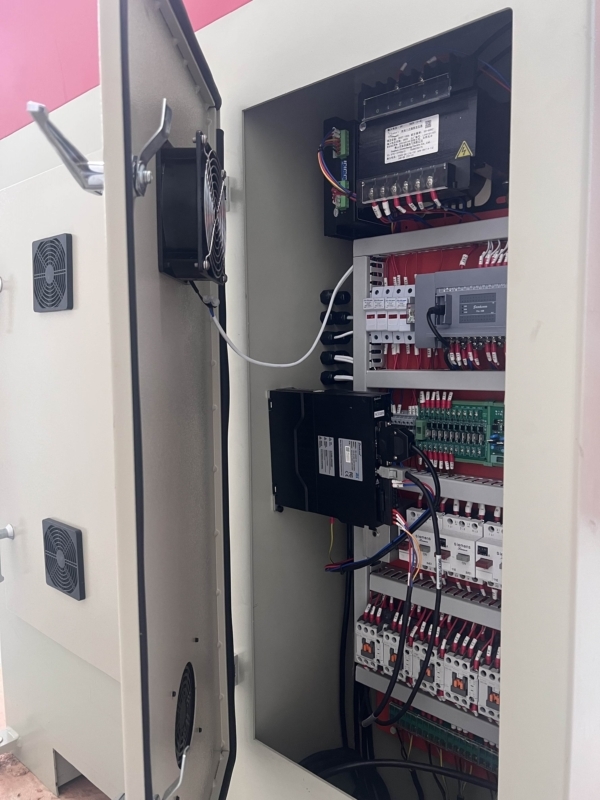
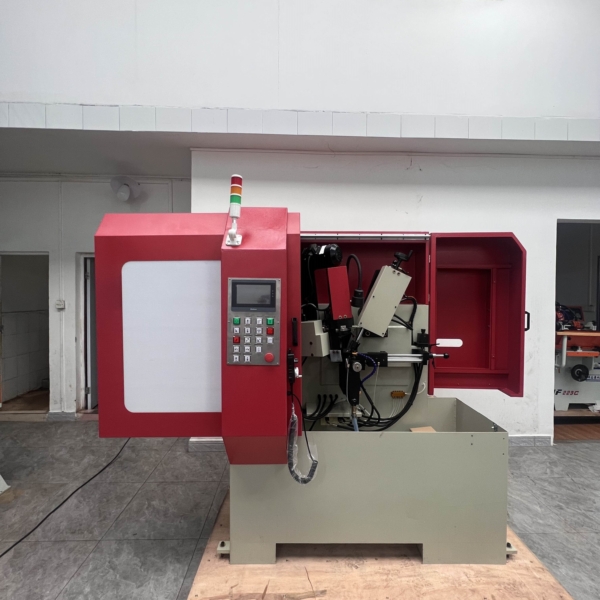
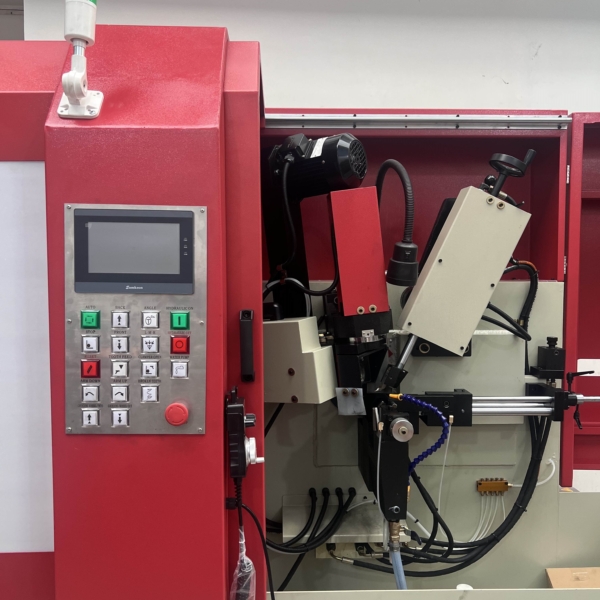
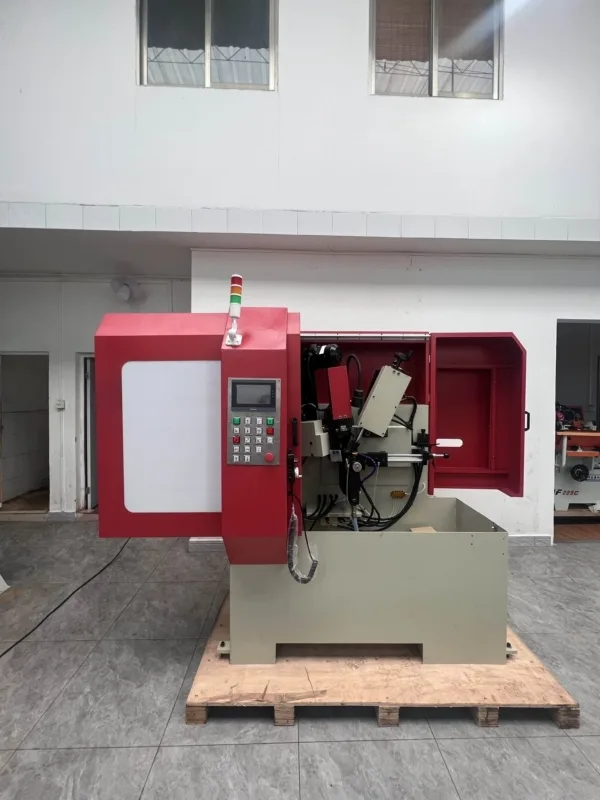
MF158CNC machine details
MF158CNC buyer questions
Can MF158CNC handle every circular saw blade?
Compatibility must be checked against the blade dimensions, tip material, tooth geometry and required operation. Send a drawing or clear blade photos with your size range so the proposed configuration can be assessed.
What should I use to compare grinding accuracy and output?
Use an agreed sample test and measurement method for your blade. Record the setup, operation and result together. A general precision claim or an isolated grinding speed does not describe the complete workshop cycle.
What information makes a quotation useful?
Send blade dimensions and photos, the cutting material, required grinding surfaces, expected workload, voltage and destination. Include the current sharpening problem and the result you need to achieve.
Email an MF158CNC enquiry checklist. The message opens with the model and blade details ready for you to complete.
Request an MF158CNC configuration and quote. Send your blade details by WhatsApp, or use Contact Weizhihao. Machine videos are available on YouTube.