
When Should A Buyer Choose A Dedicated Machine Instead Of A Universal Tool Grinder
Quick answer: Buyers should usually choose a dedicated sharpening machine when one tool type dominates the workflow, the output requirement is higher, or repeatable process stability matters more than broad tool flexibility. A universal tool grinder is often better for mixed-tool workshops that need one machine to cover more categories at lower volume.
This is a common purchasing decision because many factories want flexibility, but too much flexibility can also reduce efficiency if the real workload is concentrated on one tool family.
When a dedicated machine is the stronger choice
If most daily work is circular saw blades, long straight knives, or profile cutters, a dedicated grinder is often easier to match to the job. It usually gives clearer fixture logic, faster setup, and better repeatability for the target application.
When a universal tool grinder makes more sense
A universal tool grinder is more practical for workshops that maintain many different tool categories but do not need high-volume throughput on one specific tool type. It can reduce equipment count while keeping broader maintenance capability.
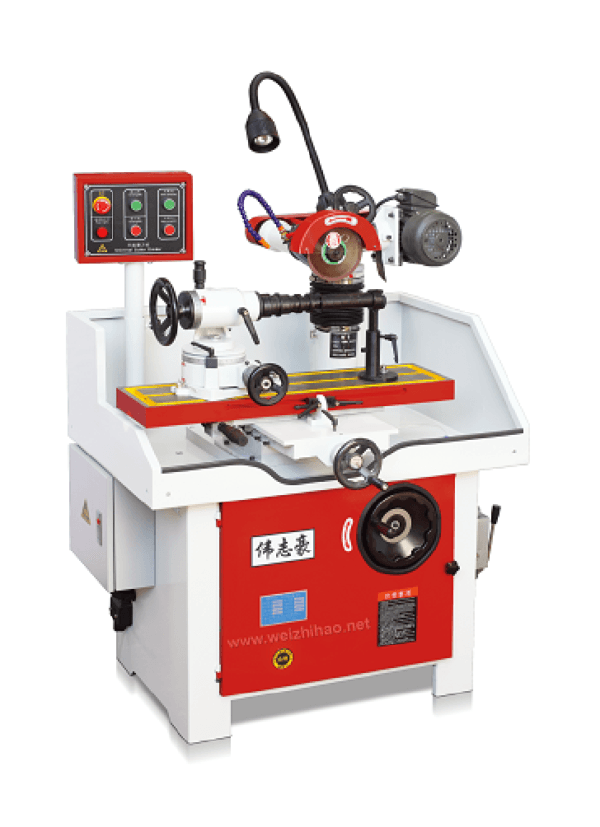
How buyers should decide
Look at the real tool mix, the dominant tool family, the daily workload, and the required accuracy. If one category clearly leads, a dedicated machine is usually the safer long-term investment.
Related pages: Universal Tool Grinder, What Blade And Tool Details Matter Most For Sharpening Machine Selection, Contact.