
What Blade And Tool Details Matter Most For Sharpening Machine Selection
Quick answer: The most important details are tool type, size range, tooth or edge profile, material, required accuracy, and expected output. These factors decide whether a buyer should choose a saw blade grinder, straight knife grinder, profile knife grinder, insert blade grinder, or universal tool grinder.
Buyers sometimes focus on price too early, but machine matching usually depends first on geometry and workload. The wrong machine category can create fixture problems, unstable grinding results, or unnecessary complexity.
1. Tool type
Circular saw blades, long straight knives, profile cutters, insert blades, and mixed workshop tools all require different grinding approaches. Confirming the dominant tool type is the first filter.
2. Size range and profile
Blade diameter, knife length, thickness, tooth pitch, and profile shape influence clamping, travel range, grinding wheel choice, and repeatability. A supplier needs these details to avoid recommending an undersized or oversized machine.
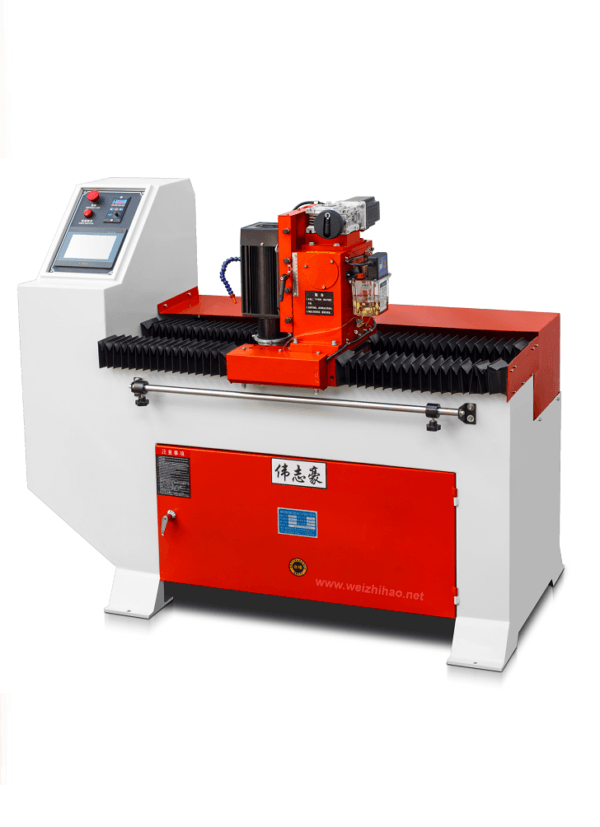
3. Accuracy and output
Low-volume workshop sharpening and higher-volume factory sharpening usually need different automation levels. Manual equipment can fit smaller workloads, while automatic or CNC systems are better for repeatability and throughput.
4. Material and application
Carbide, alloy, HSS, and application-specific tooling often require different grinding expectations. Buyers should explain whether the tools are used in woodworking, furniture production, paper converting, or another industrial process.
Related pages: What Types Of Sharpening Machines Do You Offer, Blade Grinding Machine, Straight Knife Grinder.