
Universal Tool and Cutter Grinder Application Fit Questions for Woodworking Shops
Evaluate if a universal tool and cutter grinder fits your mixed tooling needs. Key questions on collet sets, fixtures, and setup training for woodworking shops.
Universal Tool and Cutter Grinder Application Fit Questions
When your workshop handles a mix of router bits, planer knives, and saw blades, a universal tool and cutter grinder can centralize sharpening. But is it the right choice for your tooling mix? This article helps you evaluate fit by asking the right questions about collet sets, fixtures, accessory budget, and setup training.
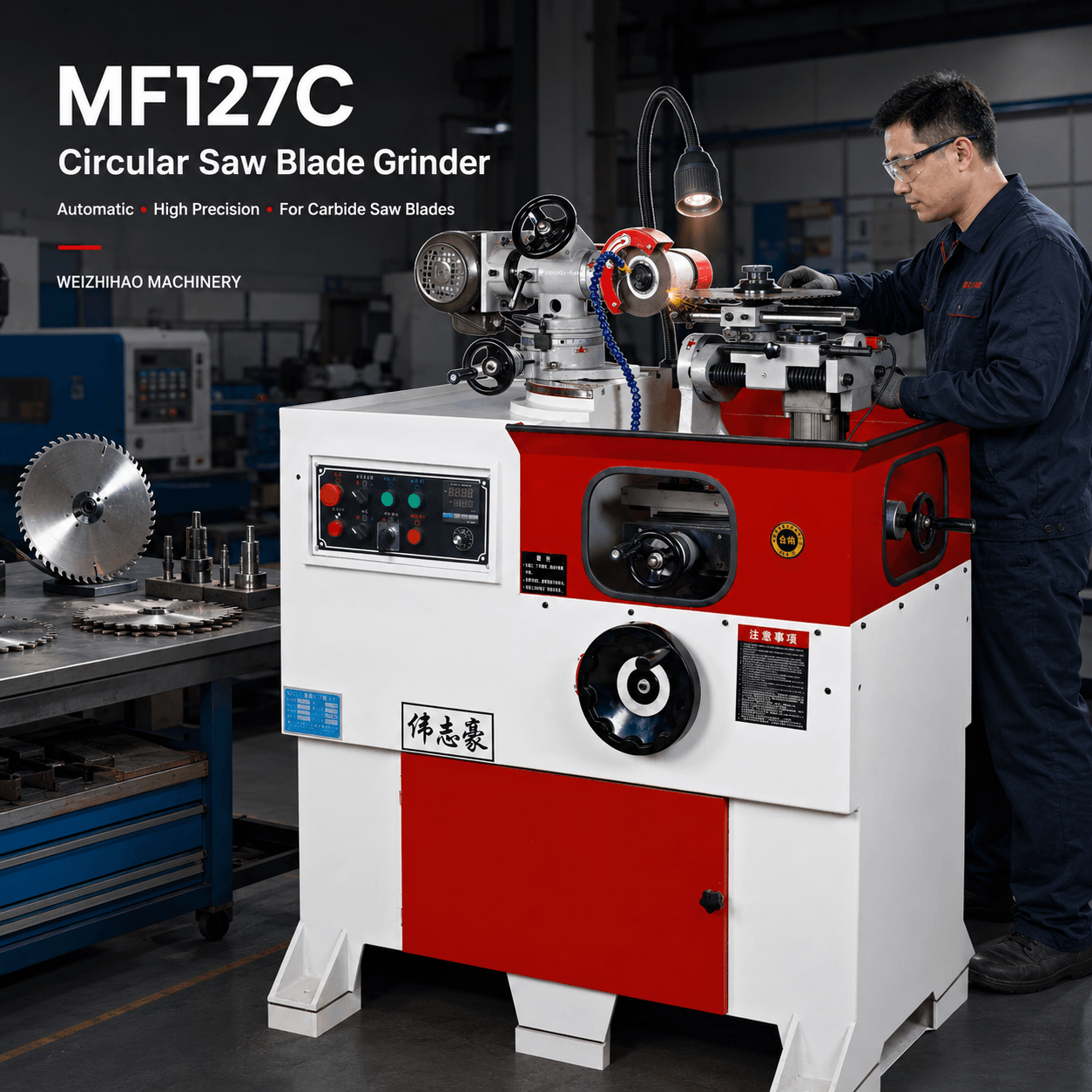
Key Application Fit Questions
1. What Tool Types Will You Sharpen?
A universal tool and cutter grinder handles end mills, reamers, and woodworking cutters. If your shop sharpens mostly TCT saw blades, a dedicated saw blade grinder may offer faster cycle times. For mixed tooling, a universal grinder provides flexibility.
2. Do You Have the Right Collet Set and Fixtures?
Standard collet sets cover common shank diameters, but specialty tooling may require additional fixtures. Check if the manufacturer offers a complete collet set and fixture package. Weizhihao’s universal tool grinder range includes options for various tool geometries.
3. What Is Your Accessory Budget?
Beyond the base machine, budget for workholding, diamond dressing tools, and coolant system. An accessory budget of 15–20% of machine cost is typical. Review the product range to compare included vs optional accessories.
4. How Much Setup Training Is Needed?
Switching between tool types requires setup changes. Ask the supplier about setup training and documentation. Weizhihao provides manuals and remote support to reduce learning curves.
Dedicated vs Universal Grinder: Which Fits?
A dedicated vs universal grinder decision depends on volume. If you sharpen 50+ saw blades daily, a dedicated saw blade sharpener is more efficient. For varied tooling under 20 pieces per type, a universal grinder saves floor space and investment. See our buyer FAQ for more comparisons.
Practical Buyer Checks
- Specifications: Verify max tool diameter, grinding wheel size, and spindle RPM match your tooling.
- Capacity: Ensure the machine can handle your largest cutter body.
- Tooling/Fixtures: List all tool types and confirm compatible workholding.
- Consumables: Check grinding wheel availability and cost.
- Training: Ask about on-site or video training for operators.
- Shipment Inspection: Request photos or video before shipping.
- Acceptance Testing: Agree on runout and finish criteria.
- Quote Data: Get itemized pricing for machine, accessories, and shipping.
FAQ
FAQ: Can a universal tool and cutter grinder sharpen carbide-tipped saw blades?
Yes, with the correct diamond grinding wheel and fixture. However, for high-volume TCT blade sharpening, a dedicated circular saw blade sharpener is more productive.
FAQ: What collet sizes are typically included with a universal cutter grinder?
Most machines include collets from 1/8″ to 3/4″ (3–20 mm). Confirm with the supplier if your shank sizes are covered.
FAQ: How long does it take to train an operator on a universal tool grinder?
Basic operation can be learned in 1–2 days, but mastering setup changes for different tool types may take a week. Weizhihao offers training manuals and remote guidance.
FAQ: What is the typical accessory budget for a universal tool and cutter grinding machine?
Plan for 15–20% of machine cost for collets, fixtures, diamond wheels, and coolant. Request a full accessory list from the manufacturer.
Next Steps for Buyers
Ready to evaluate a universal tool and cutter grinder for your shop? Contact Weizhihao for a quote tailored to your tooling mix. Our team can help you select the right machine, collet set, and fixtures.