
Saw Blade Sharpener Supplier Evaluation Notes For Thailand Blade Service Shops
Practical supplier evaluation notes for Thailand blade service shops selecting a saw blade sharpener. Key checks on capacity, TCT fit, and support.
Saw Blade Sharpener Supplier Evaluation Notes For Thailand Blade Service Shops
Thailand’s wood processing and furniture manufacturing sectors rely heavily on sharp, consistent saw blades. For blade service shops serving these industries, selecting the right saw blade sharpener supplier is a critical business decision. This article provides practical evaluation notes to help Thai buyers assess suppliers based on machine capability, technical support, and long-term value.
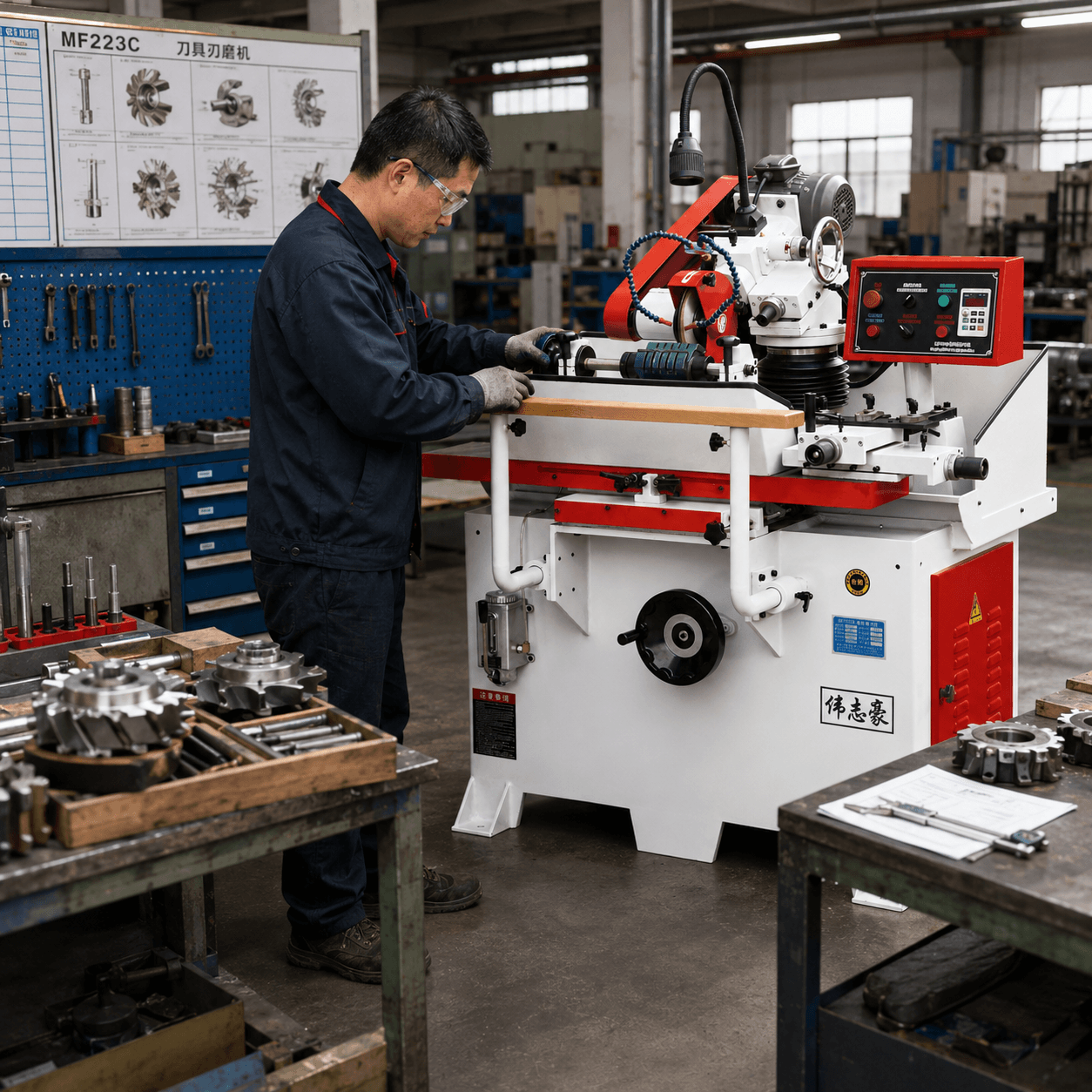
Key Evaluation Criteria for a Saw Blade Sharpener
1. Blade Diameter and Tooth Profile Compatibility
Thai blade service shops handle a wide range of circular saw blades, from small diameter blades for cabinet making to large blades for plywood mills. When evaluating a saw blade sharpener, confirm the machine’s minimum and maximum blade diameter capacity. Also check if the machine can grind common tooth profiles used in Thailand, such as alternate top bevel (ATB), flat top (FT), and triple chip (TCG). A versatile machine reduces the need for multiple setups.
2. TCT Saw Blade Grinding Capability
Tungsten carbide tipped (TCT) saw blades dominate the Thai market due to their durability. Ensure the saw blade sharpener is designed for TCT blades, with appropriate grinding wheel specifications and cooling system. Ask the supplier about wheel dressing options and whether the machine can handle both top and face grinding for TCT teeth.
3. Manual vs. Automatic Operation
For high-volume shops, an automatic or CNC saw blade sharpener improves consistency and reduces labor cost. Manual machines may suit smaller shops or specialized jobs. Evaluate the level of automation based on your typical batch sizes and operator skill level. Some suppliers offer semi-automatic models that balance cost and productivity.
4. Spare Parts and After-Sales Support
Thailand’s industrial zones require reliable after-sales support. Ask the supplier about spare parts availability, lead times, and whether they have a local distributor or service partner. Check if common consumables like grinding wheels and coolant nozzles are readily available. A supplier with a strong support network minimizes downtime.
5. Operator Training and Documentation
Proper training ensures your team can operate the saw blade sharpener safely and efficiently. Inquire about on-site or remote training options, as well as the quality of user manuals and maintenance guides. Some suppliers provide video tutorials or periodic refresher courses.
Practical Checks During Supplier Evaluation
- Request a quote with full specifications: Compare saw diameter range, motor power, grinding wheel size, and weight.
- Ask for a machine demonstration: If possible, visit the supplier’s facility or request a video showing the machine grinding a typical TCT blade.
- Check references: Speak to other blade service shops in Southeast Asia that use the same model.
- Review the warranty terms: Understand what is covered and for how long.
Why Weizhihao Machinery for Your Saw Blade Sharpener?
Weizhihao Machinery offers a comprehensive range of saw blade grinders suitable for Thai blade service shops. From manual to fully automatic CNC models, our machines handle blade diameters from 80 mm to 800 mm and support various tooth profiles. We provide detailed product specifications, operator training, and reliable spare parts supply. For more information, visit our FAQ page or contact us for a quote.
Frequently Asked Questions
FAQ: What blade diameters can a typical saw blade sharpener handle?
Most industrial saw blade sharpeners handle diameters from 80 mm to 800 mm. Confirm the specific range with the supplier to match your blade inventory.
FAQ: Can a saw blade sharpener grind both TCT and HSS blades?
Yes, many machines can grind both, but TCT blades require a diamond or CBN grinding wheel. Ensure the machine’s spindle speed and cooling system are suitable for carbide.
FAQ: How often should the grinding wheel be dressed?
Wheel dressing frequency depends on usage and material. For TCT blades, dress the wheel after every 20–50 teeth to maintain accuracy. Automatic dressers are available on some models.
FAQ: What training do you provide for new machine operators?
Weizhihao offers on-site and remote training covering machine setup, operation, maintenance, and safety. We also provide detailed manuals and video guides.
Ready to upgrade your blade sharpening capability? Request a quote for a saw blade sharpener tailored to your shop’s needs.