
Record Missing Carbide Tips Separately in a Saw Blade Sharpener Enquiry
Record missing carbide tips separately from saw blade sharpener work to control repair approval, tooth geometry, quote scope and inspection checks.

Record Missing Carbide Tips Separately in a Saw Blade Sharpener Enquiry
Quick Answer: A saw blade sharpener restores existing carbide cutting edges; it does not replace a missing carbide tip. Record the count and position of missing or broken tips as a separate repair item. Confirm brazing, tip matching, and final grinding before approving the work.
Why a missing carbide tip is not a sharpening detail
Sharpening and re-tipping are separate scopes. Sharpening may include inspection, wheel selection, setup, and top and face grinding. A missing tip requires a repair decision before final tooth geometry can be produced. Combining both under one vague instruction leaves the repair quantity, geometry responsibility, and quote basis unclear.
VOLLMER Product Information: CHHF / LG states that missing teeth on carbide-tipped circular saw blades must be replaced and that newly inserted tips are ground in alignment with the existing teeth. Approve tip replacement separately, then state the tooth profile to be matched.
What to record in the saw blade sharpener enquiry
Send one sharpening scope and one repair record. The sharpening scope should identify saw diameter, TCT saw blade type, tooth count, tooth profile, intended material, and whether top and face grinding is required. The repair record should list every missing, chipped, or cracked tip by tooth position, with clear front and side photographs.
Add blade thickness, kerf, bore, visible plate damage, previous repairs, and the requested return condition. State whether manual or automatic processing is needed, especially for repeat jobs or mixed tooth forms. These details help Weizhihao, a manufacturer of sharpening and grinding equipment, discuss suitable tooling and fixtures without assuming capability from a photograph.
Repair workflow: inspect, re-tip, match, then sharpen
Inspect the plate, tooth seats, remaining carbide, and damage around affected positions. Then decide whether the blade is suitable for repair and obtain approval for the separate re-tipping scope. VOLLMER: Sharpening and maintaining circular saws describes manual replacement of individual broken cutting edges with soldering equipment; this is separate from grinding.
After fitting a replacement tip, match its dimensions and tooth geometry before final grinding. Confirm wheel condition and wheel dressing, then inspect repaired teeth against the agreed profile. A grinder does not replace the brazing and repair controls required before grinding.
Sharpening-only versus missing-tip repair
| Decision factor | Sharpening only | Missing-tip repair |
|---|---|---|
| Primary scope | Restore existing cutting edges | Replace damaged carbide, then finish-grind |
| Approval data | Blade and tooth grinding details | Tip count, tooth positions, photos, and repair approval |
| Key tooling | Fixture, grinding wheel, dressing tools | Repair equipment plus fixture and grinding tools |
| Final check | Specified tooth geometry | Matched replacement teeth and specified geometry |
How separate records improve quote and machine decisions
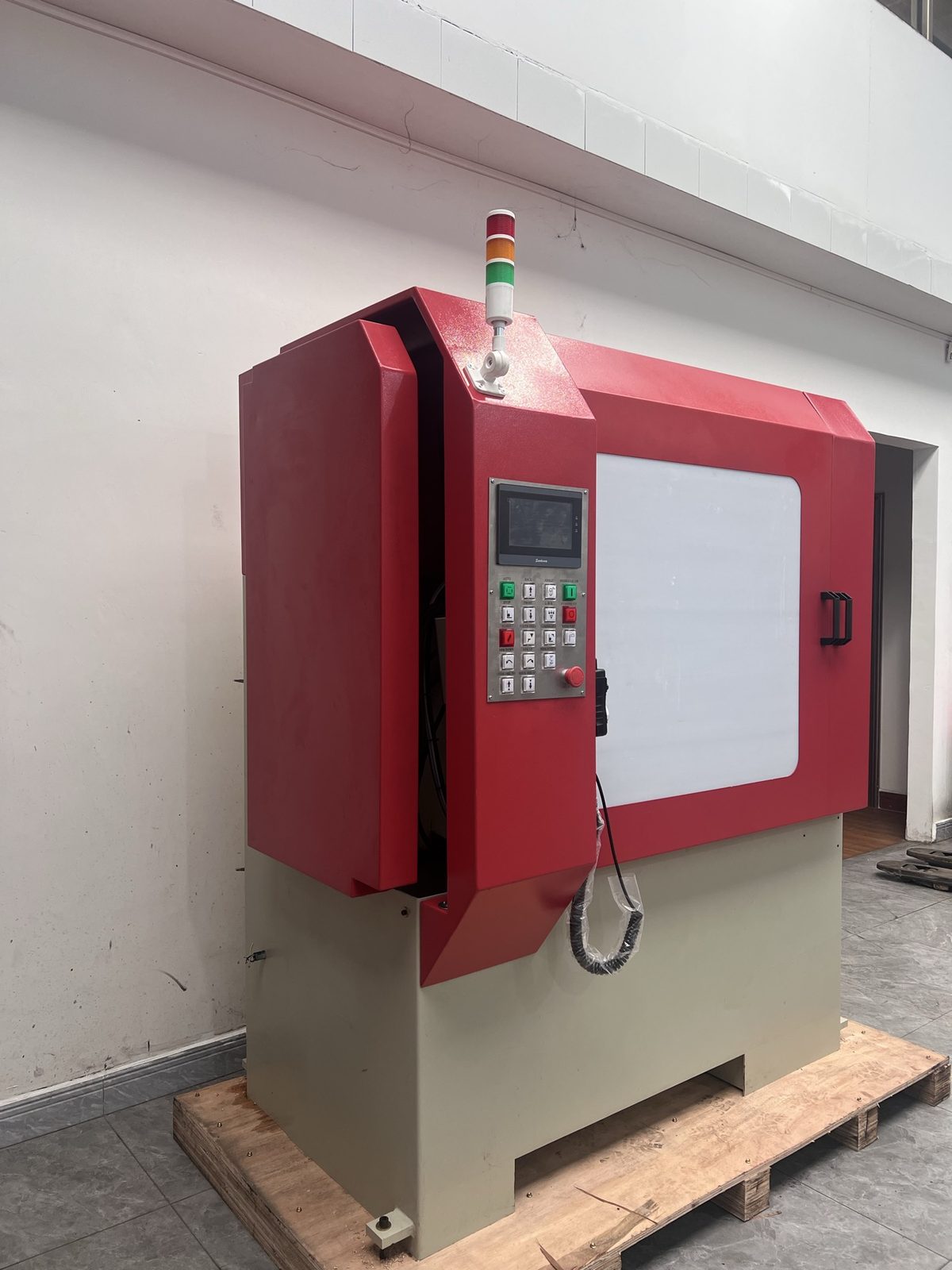
A separate record gives purchasing teams a clear basis for comparing repair labour, consumables, and sharpening work. It also prevents an equipment enquiry from suggesting that a circular saw blade sharpening machine performs every repair operation. Review the saw blade grinder category and compare saw diameter range, TCT fit, fixtures, tooth setup, operator training, and spare-parts planning.
Ask the supplier what sample blade, tooling information, and acceptance test are needed to demonstrate the required profile. Include shipment inspection requirements, wheel and fixture confirmation, and a training handover plan in the purchase discussion. Buyers with mixed workshop tools can also review the universal tool grinder range, while broader needs can be compared through the Weizhihao product range.
When to request assessment instead of automatic re-tipping
Request an assessment when several adjacent teeth are damaged, the plate is distorted, tooth seats are compromised, or the original tooth form is uncertain. MiTek Component Automation Service Bulletin SB257 says sharpening must meet blade specifications because unmet specifications can cause inefficient or inaccurate cutting and imbalance. Consider repair condition, required accuracy, production risk, and the availability of matching carbide and geometry data.
FAQ: missing carbide tips and saw blade sharpeners
See the Weizhihao FAQ hub for more equipment and enquiry guidance.
FAQ: Can a saw blade sharpener repair a missing carbide tip?
No. The sharpener performs grinding; a missing tip requires separate replacement and brazing or soldering before final grinding.
FAQ: Should missing carbide tips be quoted separately from sharpening?
Yes. Separate approval identifies repair quantity, prevents unplanned work, and makes the sharpening quote easier to compare.
FAQ: What information should a sharpening shop receive about broken teeth?
Provide saw diameter, tooth count, tooth positions, tooth profile, kerf, material use, damage photographs, and any known blade history.
FAQ: Does a replacement carbide tip need grinding to match other teeth?
Yes. Final grinding and inspection are needed to align the replacement with the agreed tooth profile.
For a quote-ready review, send blade photographs, the repair list, saw diameter, tooth data, and expected acceptance check through our industrial grinding equipment quote request. State clearly which work is sharpening and which is missing-tip repair.