
Profile Grinder Template Preparation for Door Frame Moulder Knife Buyers
Learn how profile grinder template preparation ensures accurate door frame moulder knife grinding. A guide for buyers selecting custom knife grinding solutions.
Profile Grinder Template Preparation for Door Frame Moulder Knife Buyers
When investing in a profile grinder for door frame moulder knives, proper profile grinder template preparation is essential to achieve consistent, high-quality results. This guide helps B2B buyers understand the template preparation process, ensuring your custom knife grinding operations run smoothly from day one.
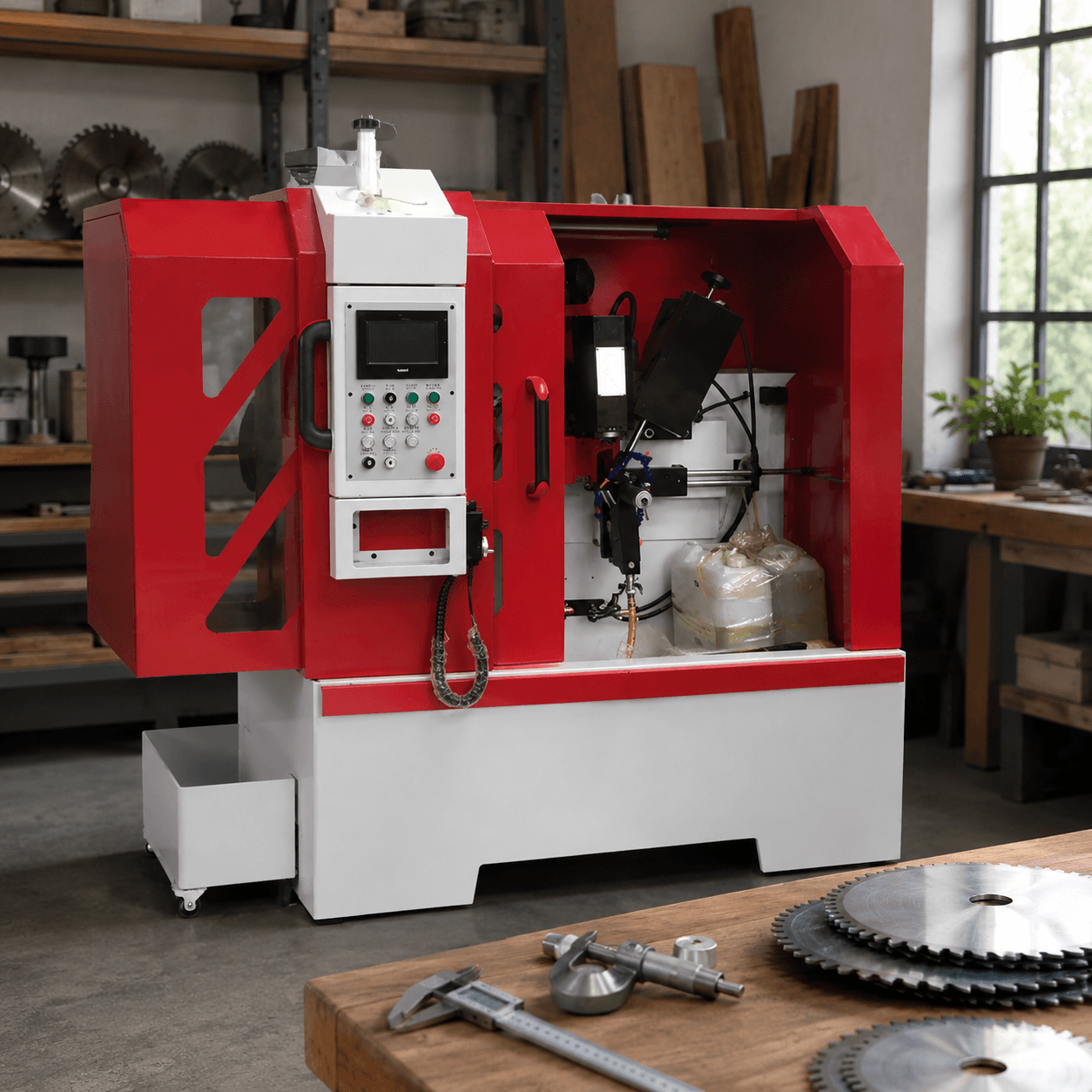
Why Template Preparation Matters for Door Frame Moulder Knives
Door frame profiles often feature complex contours and tight tolerances. A precisely prepared profile template serves as the master pattern for grinding each knife, reducing setup time and minimizing scrap. Without accurate templates, even the best profiling knife sharpening machine cannot deliver repeatable results.
Steps for Profile Grinder Template Preparation
1. Obtain or Create a Master Profile
Start with a CAD drawing or a physical sample of the door frame profile. For custom knife grinding, the template must match the exact geometry required by your moulder. Use a coordinate measuring machine or a profile projector to verify dimensions.
2. Select Template Material
Common materials include hardened steel, brass, or durable plastic. The template must resist wear from repeated contact with the grinding wheel. For high-volume production, consider investing in a set of hardened steel templates.
3. Machine the Template
Using a CNC mill or wire EDM, cut the template to the exact profile. Ensure edges are smooth and free of burrs. The template should include locating holes or edges for consistent positioning on the grinder.
4. Verify and Adjust
Test the template on your profile knife sharpening machine by grinding a test knife. Measure the resulting knife profile against the master. Make minor adjustments to the template if needed, then document the final version for future use.
Best Practices for Template Storage and Maintenance
Store templates in a clean, dry environment to prevent rust or distortion. Label each template with the profile ID, date, and revision number. Regularly inspect templates for wear and replace them when accuracy degrades.
Frequently Asked Questions
FAQ: What is the best material for a profile template?
Hardened tool steel (e.g., D2 or A2) offers excellent wear resistance and dimensional stability. For lower volumes, brass or aluminum can be used, but they wear faster.
FAQ: How often should I replace my profile templates?
Inspect templates every 500–1000 grinding cycles. Replace them when the profile deviates by more than 0.05 mm from the master. High-production shops may need annual replacement.
FAQ: Can I use the same template for different door frame profiles?
No, each unique door frame profile requires its own dedicated template. Using a mismatched template will result in incorrect knife geometry and poor moulder performance.
FAQ: Do you offer template preparation services for custom knife grinding?
We provide guidance on template preparation and can recommend suitable grinding machines for your needs. For detailed support, please contact our team.
Choose the Right Grinder for Your Shop
Accurate template preparation is only half the equation. Pair your templates with a reliable profile knife sharpening machine from Weizhihao Machinery. Our range includes manual and CNC models designed for precision grinding of moulder knives. Browse our product range or visit our FAQ page for more buyer insights.
Ready to upgrade your knife grinding setup? Request a quote today and let our experts help you select the right equipment for your door frame production.