
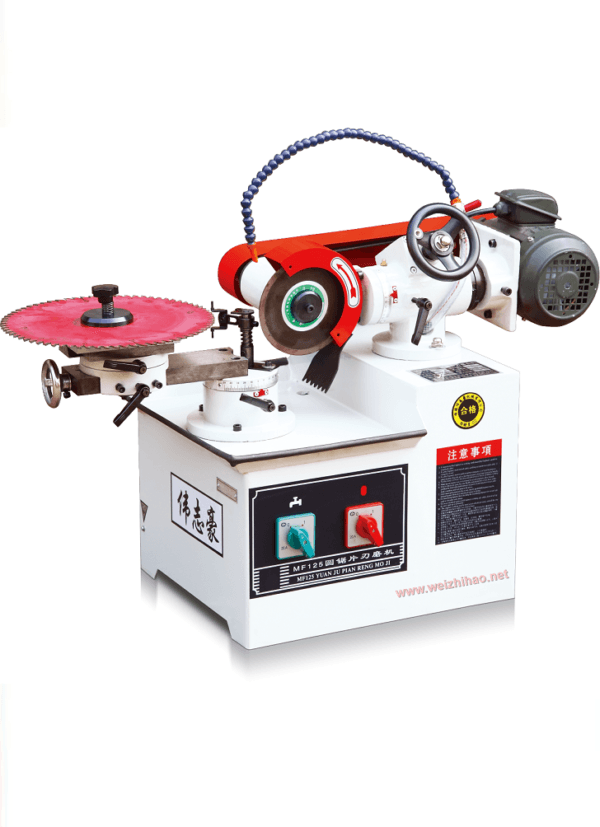
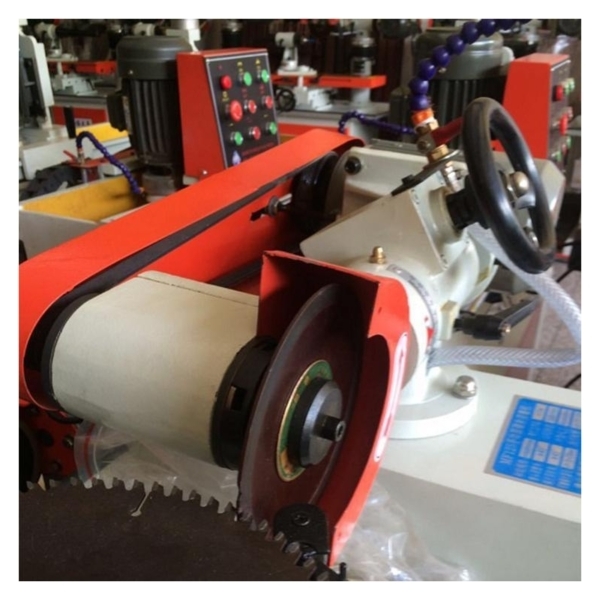
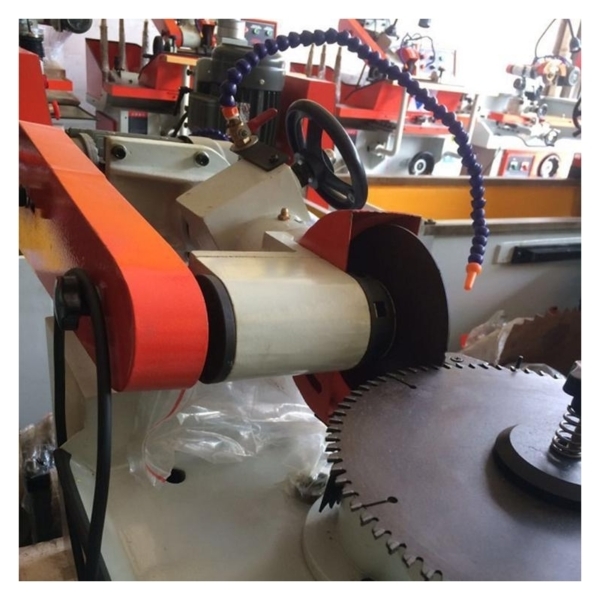
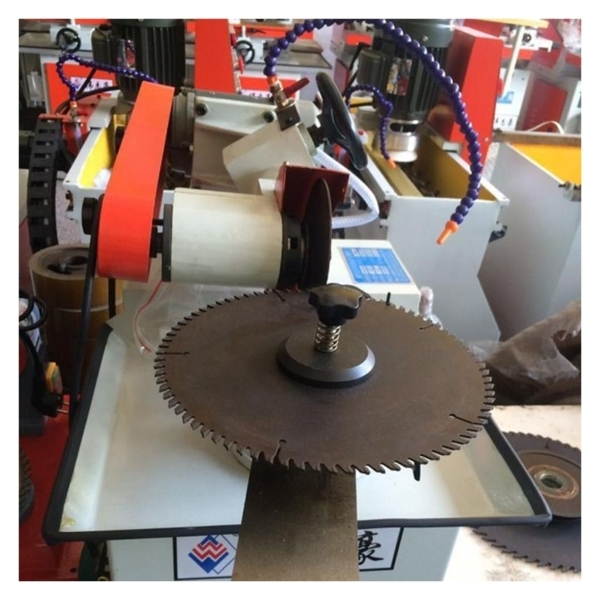
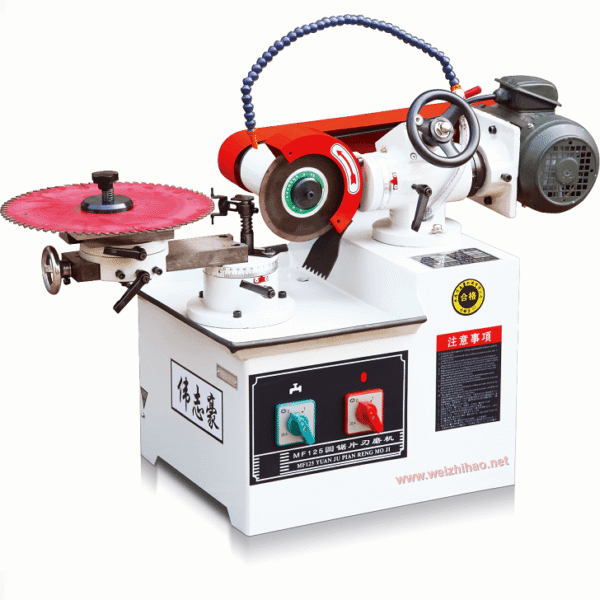
MF125 Manual Circular Saw Blade Sharpening Machine
MF125 is a manual circular saw blade sharpener for 105-800 mm TCT, carbide-tipped and alloy blades. Compare verified specifications, setup steps and MF127C/MF158 alternatives before requesting a quotation.
Need help matching MF125 Manual Circular Saw Blade Sharpening Machine?
Send your blade/tool details, voltage, quantity, and destination country. Weizhihao will help confirm the right model and quotation.
- Blade/tool photo
- Size range
- Voltage
- Quantity
- Destination country
MF125 manual saw blade sharpener at a glance
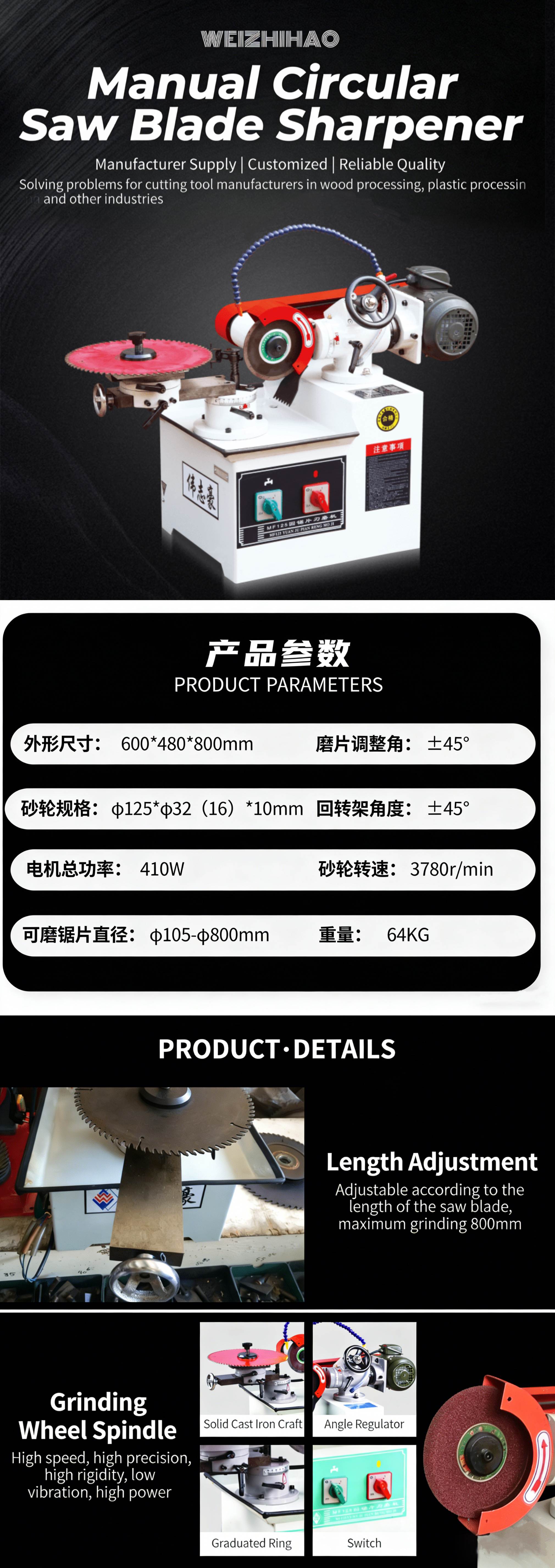
The WEIZHIHAO MF125 is a manually controlled circular saw blade sharpener for workshops that resharpen TCT, carbide-tipped and alloy circular saw blades. Its published working range is 105-800 mm, with a 410 W motor, 3780 r/min wheel speed and two ±45° adjustments for the grinding wheel and rotary support.
MF125 is the practical choice when an operator needs direct control over tooth positioning and grinding angle for maintenance work or mixed blade sizes. For higher daily volume or a more automated cycle, compare the MF127C automatic grinder and the MF158 hydraulic-feed grinder.
- Good fit: repair shops, sawmills, furniture factories and in-house blade maintenance teams handling varied batches.
- Operator involvement: blade positioning, tooth indexing and grinding adjustments are manual.
- Confirm before ordering: blade diameter, tooth profile, blade bore, voltage, wheel bore, daily quantity and destination country.
Published MF125 specifications
The values below come from the current MF125 product sheet. Final voltage, wheel and fixture details should be confirmed against the blade sample and the ordered machine configuration.
| Item | MF125 published value | Buyer check |
|---|---|---|
| Control method | Manual blade positioning and adjustment | Confirm operator workflow and expected blades per day |
| Saw blade diameter | 105-800 mm | Send minimum and maximum blade diameters |
| Motor power | 410 W | Confirm required supply voltage and frequency |
| Grinding wheel speed | 3780 r/min | Confirm the wheel specification for the blade material |
| Grinding wheel adjustment | ±45° | Send front, top and side photos of the tooth profile |
| Rotary support adjustment | ±45° | Confirm the required tooth-face or bevel setup |
| Grinding wheel specification | Ø125 × Ø32 (16) × 10 mm, as shown on the product sheet | Confirm bore and wheel selection before shipment |
| Machine dimensions | 600 × 480 × 800 mm | Allow working space around the blade support |
| Machine weight | 64 kg | Use for workshop placement and freight planning |
How the MF125 setup works
The MF125 uses a blade support, positioning mechanism, graduated angle references and a manually adjusted grinding head. The operator aligns the blade and advances each tooth through the grinding position. This direct-control layout is useful when blade sizes or tooth forms change between jobs.
- Identify the blade: record diameter, bore, kerf, tooth count, material and tooth profile.
- Check the setup range: confirm the blade is within the published 105-800 mm range and that the fixture matches the bore.
- Set the angles: use the grinding-wheel and rotary-support adjustments to match the original tooth geometry.
- Choose the wheel: confirm wheel material, dimensions and bore for the blade being serviced.
- Make a test pass: grind one tooth lightly, inspect contact across the tooth face and correct the setup before continuing.
- Keep indexing consistent: use the positioning mechanism to present each tooth at the same reference point.
For a first quotation, send blade photos or a drawing. WEIZHIHAO can use those details to check whether MF125 or a more automated model is the better match.
MF125 vs MF127C vs MF158
| Model | Operation | Best used when | Model page |
|---|---|---|---|
| MF125 | Manual positioning and adjustment | Mixed blade sizes, maintenance batches and direct operator control are the priority | Current page |
| MF127C | Automatic round-saw grinding with button and speed controls | Daily throughput and a more repeatable automatic cycle are more important | View MF127C |
| MF158 | Hydraulic feed with automatic swing-angle functions | Industrial blade service needs front/rear-angle and left/right flat-tooth grinding options | View MF158 |
See the Saw Blade Grinder category for the full model range, or review the TCT Saw Blade Grinder Buyer Guide before comparing configurations.
What to send for model confirmation
A useful machine recommendation depends on the blade and workload, not only the model name. Include the following information with the inquiry:
- Blade diameter range, bore and thickness
- Tooth count, tooth profile and blade material
- Clear photos of the full blade and tooth face, or a dimensioned drawing
- Average blades per day and whether batches repeat
- Required voltage and frequency
- Destination country and preferred shipping terms
MF125 buyer questions
Is MF125 automatic?
No. MF125 is a manual machine: the operator sets the blade position, indexes the teeth and adjusts the grinding angles. Buyers who need an automatic cycle should compare MF127C or other automatic/CNC models.
What blade sizes can MF125 handle?
The current product sheet lists a 105-800 mm circular saw blade diameter range. Blade bore, thickness and tooth geometry still need to be checked before the model is confirmed.
Which blade materials are suitable?
MF125 is presented for alloy and TCT/carbide-tipped circular saw blades. Send the blade material and tooth photos so the grinding wheel and setup can be checked.
What should be confirmed before shipment?
Confirm voltage, frequency, blade and fixture dimensions, grinding wheel specification, included accessories, packaging and destination. The Sharpening Machine FAQ covers common selection and delivery questions.
Request an MF125 quotation
Send the blade details above through Contact Weizhihao or WhatsApp. For a faster model check, attach one full-blade photo, one close-up tooth photo and the required daily quantity.