
Planer Blade Sharpener Blade Defect Diagnosis Notes For Greece Carpentry Tool Rooms
Practical blade defect diagnosis notes for Greece carpentry tool rooms using a planer blade sharpener. Learn to identify burns, cracks, and uneven edges.
Planer Blade Sharpener Blade Defect Diagnosis Notes For Greece Carpentry Tool Rooms
For carpentry tool rooms in Greece, maintaining sharp planer blades is essential for producing smooth finishes and efficient production. However, even with a reliable planer blade sharpener, defects can occur during the sharpening process. This guide provides practical diagnosis notes to help you identify and resolve common blade defects, ensuring your planer blade sharpener delivers consistent results.
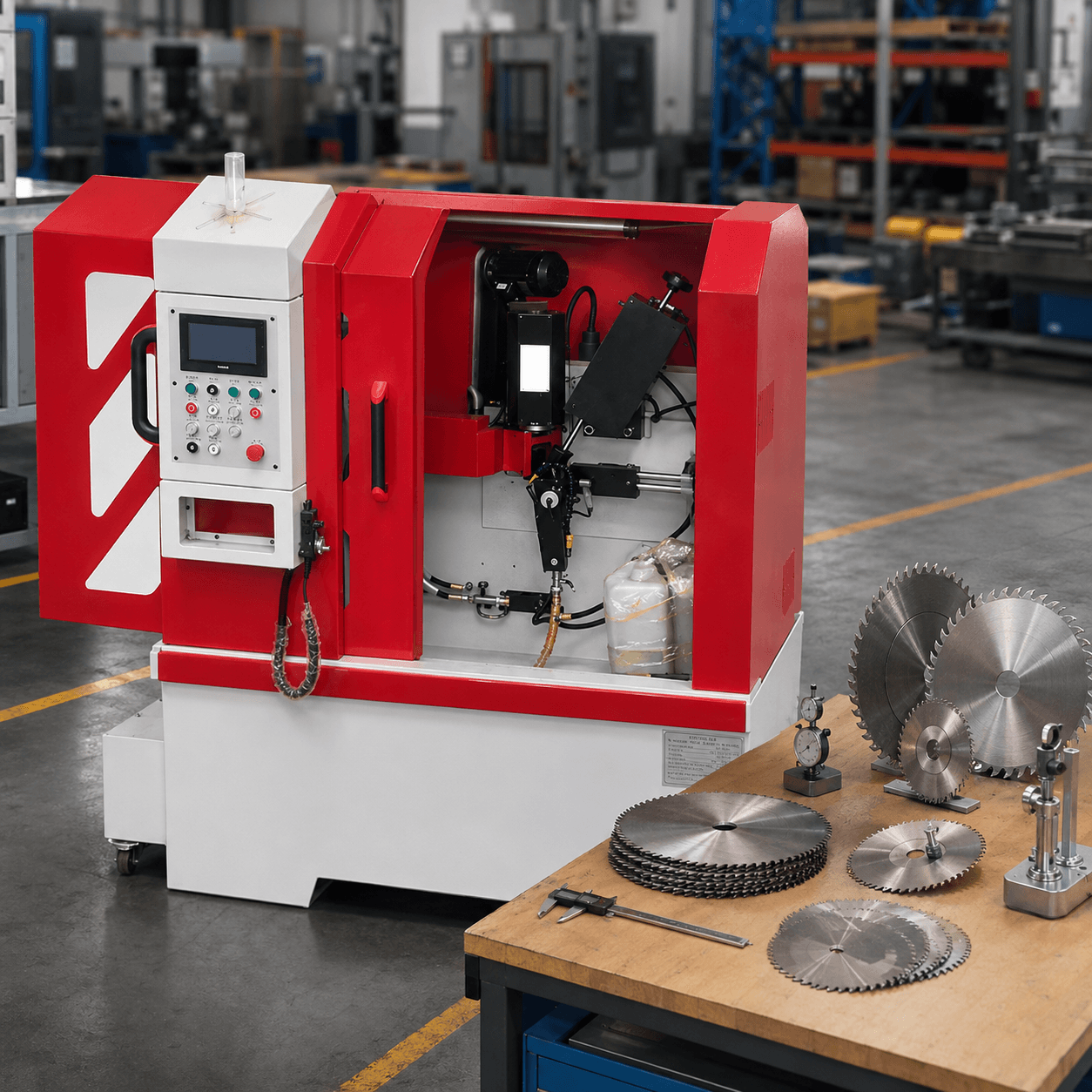
Common Blade Defects and Their Causes
1. Burn Marks on the Blade Edge
Burn marks appear as blue or brown discoloration along the cutting edge. This is typically caused by excessive heat during grinding, often due to a dull grinding wheel, insufficient coolant flow, or too heavy a pass. Check your coolant system and ensure the grinding wheel is properly dressed. If burns persist, reduce the depth of cut per pass.
2. Cracks or Chipping at the Edge
Small cracks or chips indicate thermal stress or mechanical impact. This can happen if the blade is clamped too tightly, the grinding wheel is too coarse, or the blade material is brittle. Inspect the magnetic chuck or clamp chuck for even pressure. Use a finer grit wheel for high-speed steel blades.
3. Uneven Edge Straightness
An uneven edge leads to poor cutting performance. This defect often stems from a misaligned grinding head or worn guide rails. Verify the straightness tolerance of your planer blade sharpener using a dial indicator. Also check that the blade is seated flat on the magnetic chuck without debris underneath.
4. Wavy or Serrated Edge Pattern
A wavy edge suggests vibration during grinding. This can be caused by loose machine components, an unbalanced grinding wheel, or excessive spindle runout. Tighten all bolts, balance the wheel, and check spindle bearings. For long planer knives, ensure the knife is fully supported along its length.
Diagnosis Checklist for Greece Tool Rooms
Use this checklist when inspecting blades after sharpening on your planer blade sharpener:
- Visual inspection under good lighting for burns, cracks, or discoloration.
- Run a fingernail along the edge to feel for nicks or burrs.
- Place the blade on a flat surface and check for rocking (warping).
- Measure edge straightness with a straightedge and feeler gauge.
- Check the grinding wheel condition and dress if glazed.
- Verify coolant concentration and flow rate.
Preventive Measures
To minimize defects, follow these best practices:
- Use a straight knife grinder with a rigid cast iron base to reduce vibration.
- Select the correct grinding wheel for the blade material (e.g., white aluminum oxide for HSS).
- Maintain consistent coolant flow to prevent heat buildup.
- Regularly inspect and replace worn magnetic chucks or clamp chucks.
- Train operators on proper feed rates and pass depths.
For a comprehensive range of sharpening equipment, explore our product range designed for industrial knife maintenance.
When to Seek Professional Support
If defects persist despite following diagnosis steps, consider contacting the manufacturer. Weizhihao Machinery offers technical support and spare parts for your planer blade sharpener. Visit our buyer FAQ for common troubleshooting tips or contact us for personalized assistance.
Frequently Asked Questions
FAQ: What causes burn marks on planer blades during sharpening?
Burn marks are usually caused by excessive heat from a dull grinding wheel, insufficient coolant, or too heavy a grinding pass. Ensure your wheel is dressed and coolant flow is adequate.
FAQ: How can I check if my planer blade sharpener is aligned?
Use a dial indicator to measure the grinding head travel relative to the magnetic chuck. The straightness tolerance should be within 0.01mm per meter for precision work.
FAQ: Why do my sharpened blades have a wavy edge?
A wavy edge indicates vibration during grinding. Check for loose machine parts, an unbalanced grinding wheel, or insufficient blade support. Tighten components and balance the wheel.
FAQ: What grinding wheel grit is best for planer knives?
For general purpose sharpening of HSS planer knives, a 46 to 60 grit white aluminum oxide wheel is recommended. Finer grits (80-120) can be used for finishing passes.
Ready to upgrade your sharpening setup? Request a quote for a planer knife grinder that meets your capacity needs.