
Grinding Wheel Dressing and Coolant Care | Woodworking Knife Sharpening
Learn practical grinding wheel dressing and coolant care habits for woodworking knife sharpening machines to improve consistency and reduce downtime.
Grinding Wheel Dressing and Coolant Care: Essential Maintenance for Woodworking Knife Sharpening Machines
The Critical Role of Grinding Wheel Dressing
Dressing a grinding wheel means removing dull abrasive grains and exposing a fresh, sharp cutting surface. Over time, woodworking knife sharpening loads the wheel with metal particles and resinous debris, causing it to glaze. A glazed wheel rubs instead of cuts, generating excessive heat that can draw the temper from high-speed steel (HSS) or carbide knives. For anyone operating a straight knife grinder, this heat buildup is especially damaging because it may warp long planer blades or ruin their edge holding capability.
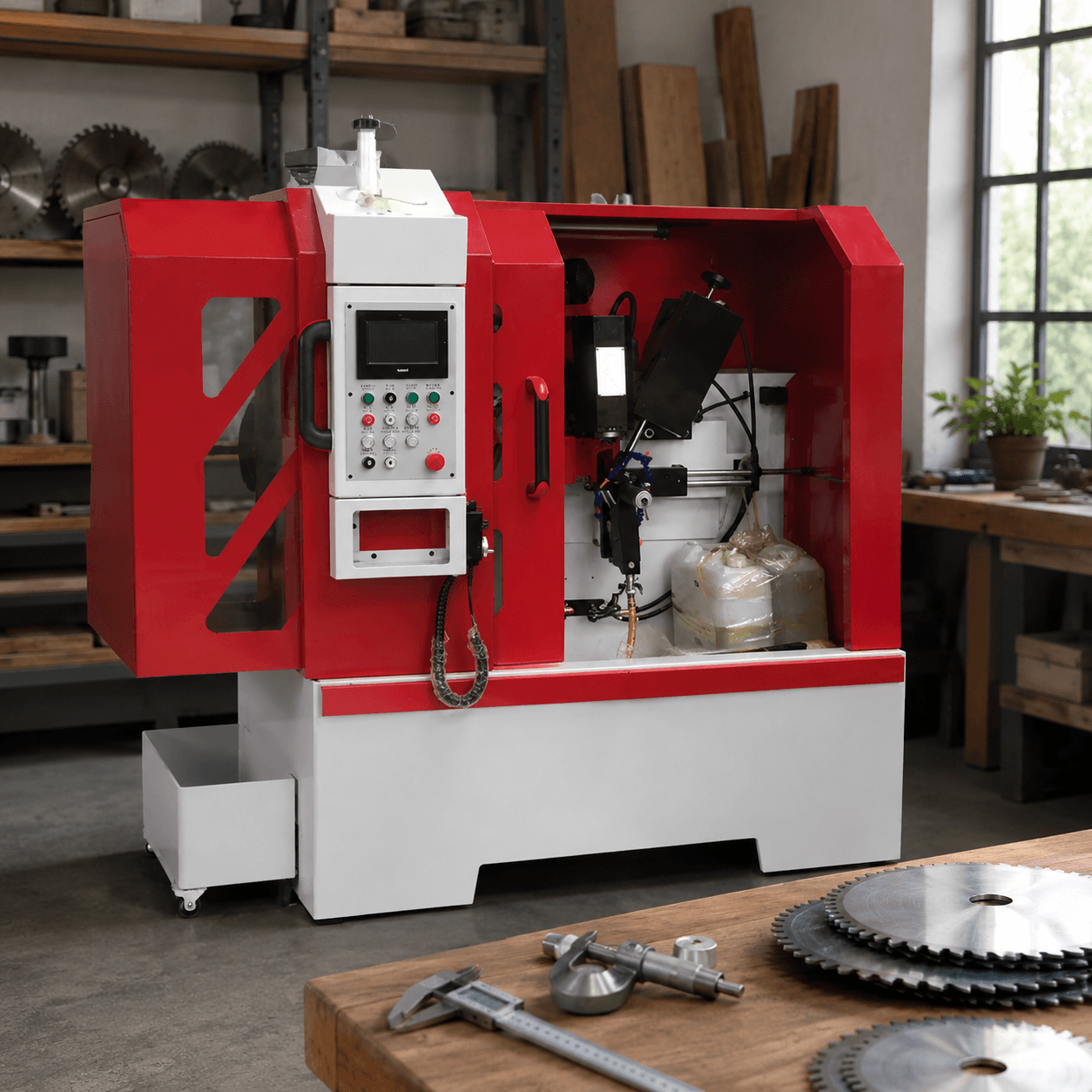
Signs Your Grinding Wheel Needs Attention
In many plants, the maintenance team sets a dressing schedule based on the number of knives sharpened or hours of operation. For a dedicated blade grinding machine handling hundreds of chipper or planer blades each week, a weekly dressing may be the minimum. However, the schedule should always be validated by knife inspection. If edges begin to show discoloration or micro‑chipping, increase dressing frequency immediately. Keeping a simple log near the grinder—recording date, operator, knife count, and wheel condition—builds a historical baseline that prevents reactive maintenance.
Coolant Management: Keeping Your Sharpening System Cool and Clean
Coolant cleanliness directly impacts wheel performance. Tramp oil, metal swarf, and wood dust all accelerate wheel loading. Install a magnetic separator or a simple weir filter to remove solids. Daily housekeeping includes skimming oil from the tank surface and topping up the fluid to the correct level. When the coolant appears dark and has a foul odor, it’s past saving—dump it, thoroughly clean the tank, and refill. Neglected coolant promotes wheel glazing and forces more frequent dressing, shortening overall wheel life.
Inspection Records and Operator Training
The best grinding wheel and coolant in the world will underperform without a trained operator. Every grinding room should have clear, documented procedures for dressing sequences, coolant checks, and wheel break‑in. New wheels often need a light dress after mounting to seat them on the arbor and true the face. Operators should also know the difference between a diamond dresser for alumina wheels and a CBN dresser for superabrasive wheels—using the wrong dresser can ruin an expensive wheel.
Establish a simple daily checklist: visually inspect the wheel before start‑up; check coolant level, concentration, and clarity; listen for unusual noise during the first grind; record wheel usage hours. These records build a predictive maintenance database. When a wheel’s life drops unexpectedly, the data often points to a coolant issue or missed dressing. For importers and service managers, a consistent paper trail demonstrates due diligence and helps plan spare wheel and knife inventories.
Organize quarterly training sessions that cover dressing technique, coolant sampling, and symptom diagnosis. Hands‑on demonstrations—such as showing the difference between a freshly dressed wheel and a loaded one—stick far better than memos. Encourage operators to share feedback because they are the first to notice subtle changes in machine behavior.
To further optimize your sharpening operations, explore the full range of reliable grinding solutions at Weizhihao Machinery’s product lineup. Whether you need a heavy‑duty straight knife grinder or a precision saw blade sharpener, proper wheel and coolant care will keep your investment performing at its peak. For personalized recommendations tailored to your woodworking knife sharpening routine, contact our technical team today—we’re ready to help you build a maintenance schedule that delivers consistent, cost‑effective results.
FAQ: How often should I dress a grinding wheel for woodworking knives?
Dressing frequency depends on wheel type, knife material, and coolant quality. As a general rule, dress a standard aluminum oxide wheel after every 20–30 knives ground, or at least once per shift in a busy grinding room. Superabrasive wheels require less frequent dressing, but still need occasional touch‑up. Always let the knife surface finish and spark formation guide you; if either degrades, dress immediately.
FAQ: What type of coolant is best for knife sharpening machines?
Semi‑synthetic coolants with rust inhibitors work well for most HSS and carbide knife grinding. They offer good cooling, lubricity, and long sump life. Avoid water‑only cooling on heavy‑duty grinders because water lacks lubrication and can cause flash rusting. Always consult your coolant supplier and follow the recommended concentration range, typically 5–8%.
FAQ: Can I use water as coolant in a woodworking knife grinder?
Plain water is not recommended for industrial knife grinding machines. Water provides no rust protection, no lubrication, and can lead to rapid wheel loading and poor surface finish. If you must use water, at least add a corrosion inhibitor, but a formulated coolant will deliver far better tool life and machine protection.
FAQ: How do I know if my coolant is dirty and needs changing?
Check clarity by dipping a clean finger into the tank; if your finger disappears quickly, the coolant is likely loaded with fine swarf. A rancid, “rotten egg” smell indicates bacterial growth. Excessive foaming, skin irritation among operators, or visible surface scum are also signs. Test coolant concentration and pH monthly; a pH drop below 8.5 suggests degradation. When in doubt, change the coolant and clean the entire system to avoid wheel glazing.