
Grinding Machine For Knife Delivery Inspection Questions For Romania Furniture Export Workshops
Key delivery inspection questions for grinding machine for knife buyers in Romania furniture export workshops. Ensure accuracy, stability, and compliance before acceptance.
Grinding Machine For Knife Delivery Inspection Questions For Romania Furniture Export Workshops
When your furniture export workshop in Romania invests in a grinding machine for knife, the delivery inspection is a critical step to ensure the equipment meets your production requirements. A thorough inspection prevents costly downtime and ensures consistent edge quality for export-grade furniture. Below are the essential questions and checks to perform upon delivery.
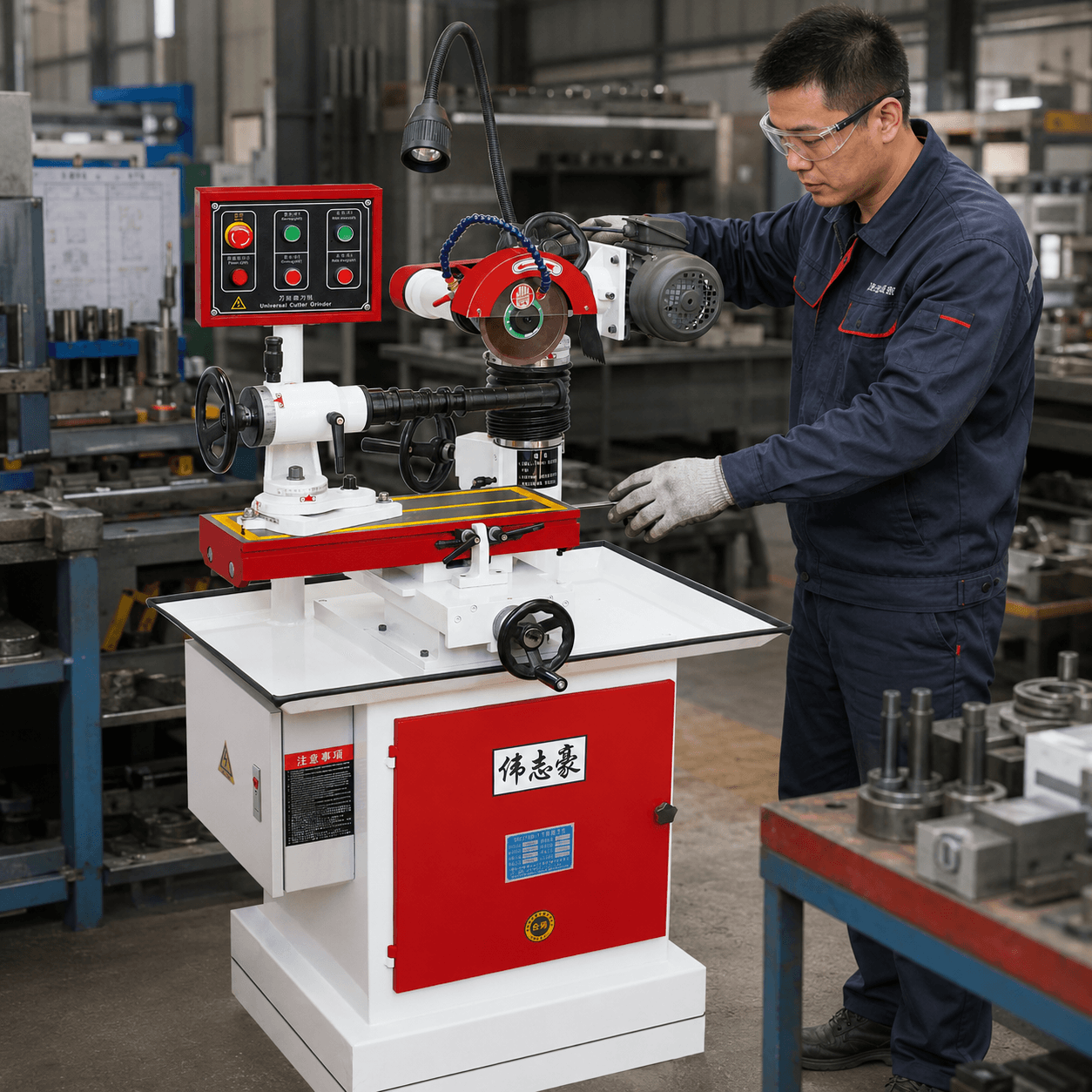
1. Machine Alignment and Straightness
For knife grinding, straightness tolerance is paramount. Ask your supplier for the certified alignment report. Check the grinding wheel spindle runout and the magnetic chuck flatness. A deviation of more than 0.01 mm over 1 meter can affect the sharpness of planer and chipper knives. Weizhihao’s straight knife grinder range includes models with precision-ground tables and adjustable chucks to maintain tight tolerances.
2. Electrical and Safety Compliance
Romania follows EU electrical standards. Verify that the machine’s voltage, frequency, and plug type match your workshop’s supply. Check for CE marking and emergency stop functionality. Request the electrical schematic and ensure all safety guards are in place. If the machine uses a coolant system, test for leaks and proper flow.
3. Grinding Wheel and Spindle Inspection
Inspect the grinding wheel for cracks or damage during transit. Confirm the wheel arbor size matches the spindle. Run the spindle at operating speed and listen for unusual vibrations. A balanced wheel assembly is crucial for surface finish. Weizhihao’s blade grinding machine category offers options with dynamic spindle balancing for consistent results.
4. Accessories and Documentation
Cross-check the packing list against the invoice. Typical accessories include wheel flanges, wrenches, diamond dresser, and a set of spare brushes. Ensure the operation manual and maintenance guide are in English or Romanian. Also, confirm the availability of spare parts from the supplier. For a complete product overview, visit the Weizhihao products page.
5. Acceptance Test Run
Before signing the delivery note, perform a test grind on a sample knife. Measure the edge angle and surface finish with a protractor and surface roughness tester. Check the magnetic chuck holding force. If the machine has automatic feed, verify the feed rate consistency. Document the results and compare with the specifications in the quote. For common concerns, refer to the buyer FAQ.
FAQ
FAQ: What straightness tolerance should I expect for a grinding machine for knife?
For industrial knife grinders, a straightness tolerance of 0.01 mm per meter is standard. High-end models can achieve 0.005 mm. Always request a certified inspection report from the manufacturer.
FAQ: How do I verify the grinding wheel balance during delivery inspection?
Run the spindle at operating speed and place a vibration meter on the wheel guard. Acceptable vibration levels are below 0.5 mm/s. Alternatively, perform a static balance check using a balancing stand if available.
FAQ: What electrical checks are necessary for Romania workshops?
Ensure the machine is configured for 400V/50Hz three-phase power (common in Romania). Check that the motor nameplate matches. Also, verify that the control panel uses EU-standard components and that the emergency stop is functional.
FAQ: Should I test the magnetic chuck before accepting the machine?
Yes. Place a steel block on the chuck and measure the holding force with a pull tester. The force should be at least 100 N/cm². Also, check that the chuck surface is free of scratches and that the magnetizing/demagnetizing switch works properly.
For a detailed quote or to discuss your specific inspection requirements, contact Weizhihao today.