
Grinding Machine For Knife Blade Defect Diagnosis Notes For Hungary Industrial Knife Users
Practical blade defect diagnosis notes for Hungary industrial knife users. Learn how a grinding machine for knife helps identify and fix common blade issues.
Grinding Machine For Knife Blade Defect Diagnosis Notes For Hungary Industrial Knife Users
For Hungary’s industrial knife users—whether in woodworking, packaging, or metal processing—maintaining sharp, defect-free blades is critical to production quality and uptime. A grinding machine for knife is not just a sharpening tool; it is a diagnostic instrument that reveals underlying blade problems. This guide provides practical defect diagnosis notes tailored to Hungarian buyers evaluating knife grinding machine options.
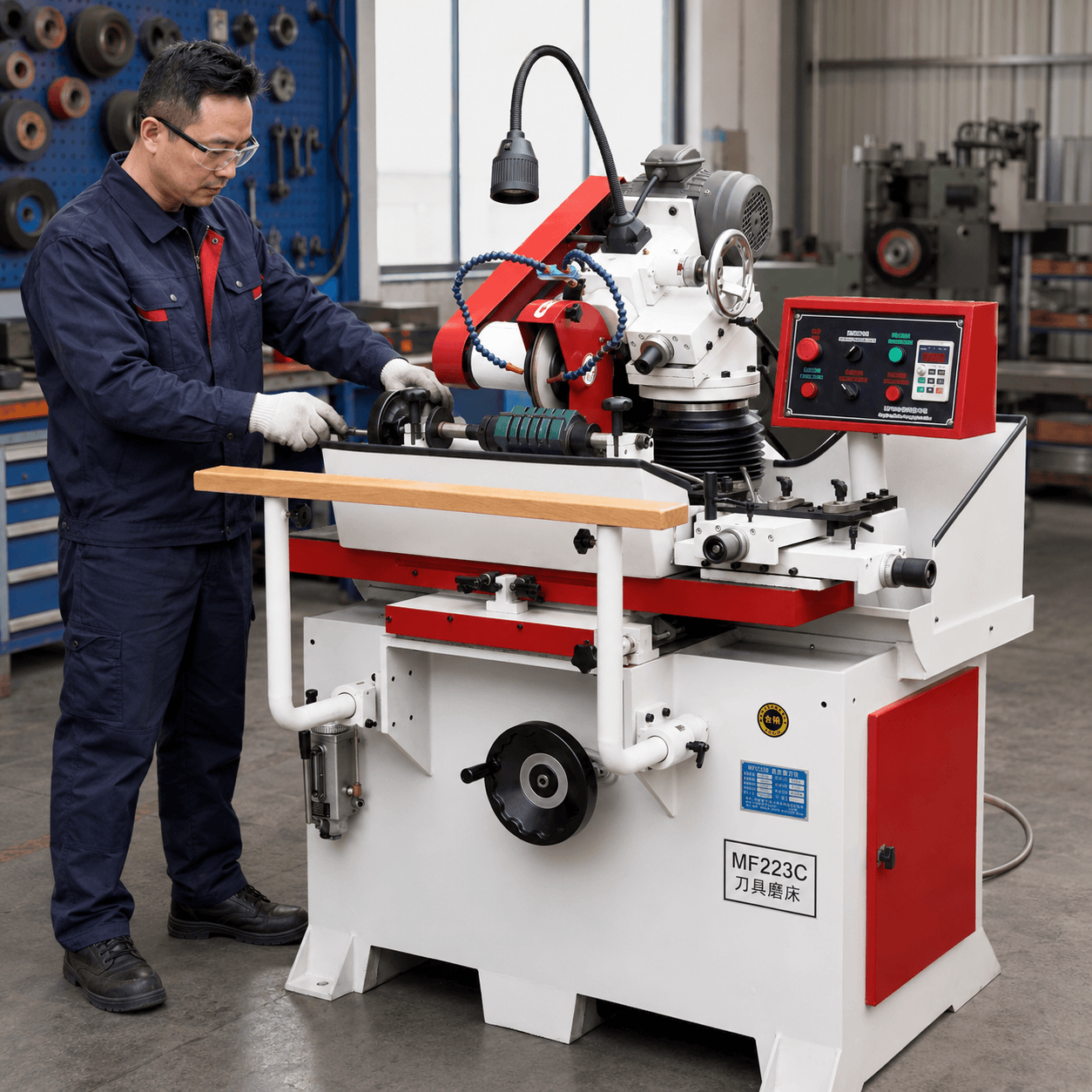
Common Blade Defects and How a Knife Grinder Machine Reveals Them
When you place a blade on a grinding machine for knife, the grinding pattern, spark stream, and surface finish tell a story. Here are defects frequently seen in Hungarian industrial settings:
1. Edge Chipping and Micro-Cracks
Chipped edges often result from impact or improper handling. During grinding, a knife grinder machine will show uneven sparking along the edge. If the grinding wheel catches or produces a rattling sound, inspect for hidden cracks. Use a magnifying glass after grinding to confirm.
2. Uneven Wear or Taper
Blades that wear more on one side indicate misalignment in the machine or inconsistent pressure. On a grinding machine for knife, measure the blade width at multiple points. A variation greater than 0.05 mm suggests the need for chuck adjustment or a review of the grinding wheel dressing schedule.
3. Burn Marks or Discoloration
Blue or brown discoloration during grinding means excessive heat. This can be caused by a dull grinding wheel, insufficient coolant, or too aggressive feed rate. Check your coolant flow and wheel condition. For Hungarian buyers, we recommend reviewing our straight knife grinder range, which includes advanced coolant systems.
4. Chatter Marks or Vibration Lines
Regularly spaced lines across the blade surface indicate vibration in the grinding system. This could stem from an unbalanced grinding wheel, loose spindle bearings, or a worn magnetic chuck. Tighten all components and rebalance the wheel. If the issue persists, consult our buyer FAQ for troubleshooting tips.
Diagnosis Workflow for Hungarian Industrial Knife Users
Follow this step-by-step process when using your industrial knife grinder:
- Visual Inspection Before Grinding: Look for cracks, rust, or deformation. Measure blade length and width to ensure it fits your machine’s capacity.
- Grinding Test Pass: Perform a light pass and observe the spark pattern. A consistent, even spark indicates a healthy blade.
- Surface Finish Check: After grinding, use a straightness gauge to verify tolerance. For most woodworking knives, a straightness tolerance of 0.02 mm per meter is acceptable.
- Edge Quality Assessment: Run a fingernail along the edge—any snag indicates a burr or chip. Use a honing stone if needed.
Selecting the Right Grinding Machine For Knife in Hungary
Hungarian buyers should consider blade dimensions, production volume, and available spare parts. Our Heavy Duty CNC Linear Knife Grinding Machine MF2518/MF2535 handles blades up to 3.5 meters with precision. For smaller shops, our blade grinding machine category offers versatile options. We also provide factory quotes and spare parts support for Hungarian clients.
FAQ: Blade Defect Diagnosis
FAQ: How can I tell if my knife grinder machine is causing blade defects?
Check for consistent spark patterns and listen for unusual noises. If defects appear on one side only, the magnetic chuck may need alignment. Regular maintenance of your grinding machine for knife prevents most issues.
FAQ: What coolant should I use for diagnosing blade defects?
Use a water-soluble coolant with rust inhibitors. Clear coolant allows better visibility of the grinding zone. Ensure the coolant nozzle is directed at the contact point to avoid heat buildup.
FAQ: Can a grinding machine for knife fix a warped blade?
No, grinding removes material but does not correct warping. Warped blades should be straightened before grinding. If warping is severe, replace the blade.
FAQ: How often should I dress the grinding wheel for accurate diagnosis?
Dress the wheel after every 10–15 blades or when you notice a decrease in cutting performance. A sharp wheel produces consistent results and reveals defects more clearly.
For a detailed quote or to discuss your specific blade requirements, contact our sales team. We help Hungarian industrial knife users select the right knife grinding machine and provide ongoing support.