
Factory Acceptance Photo Records for Industrial Tool Grinding Equipment
Learn how factory acceptance photo records ensure quality for industrial tool grinding equipment. A guide for importers and factory buyers.
Factory Acceptance Photo Records for Industrial Tool Grinding Equipment
When importing industrial tool grinding equipment, factory acceptance testing (FAT) is a critical step. However, many buyers overlook the importance of photo records during this process. Comprehensive photo documentation provides visual proof of machine condition, setup, and performance before shipment. For importers and factory purchasing teams, these records serve as a baseline for quality assurance and future troubleshooting.
Why Photo Records Matter in Factory Acceptance
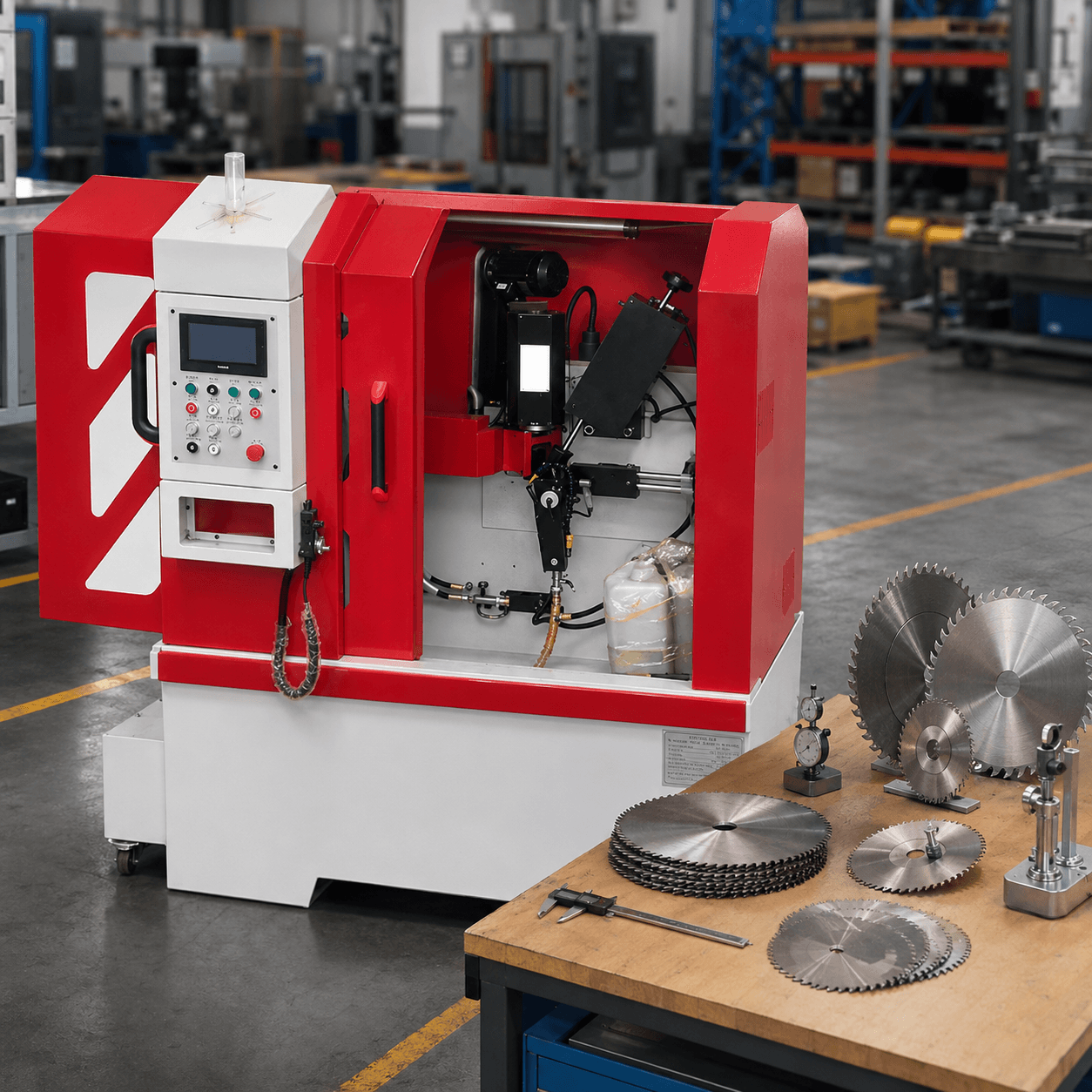
Photo records capture details that written reports cannot. They document machine alignment, component serial numbers, wiring, coolant systems, and any pre-existing damage. For saw blade grinder buyers, photos of the grinding wheel dressing and coolant nozzles ensure proper setup. Similarly, straight knife grinder importers can verify table flatness and magnetic chuck condition.
Key Areas to Photograph During FAT
Machine Exterior and Labeling
Take wide shots of the entire machine from multiple angles. Close-ups of nameplates, serial numbers, and electrical panels confirm specifications match the order. For universal tool grinder models, document the tool holder and indexing head.
Critical Components
Photograph the grinding spindle, bearings, and wheel flanges. For profiling knife sharpening machines, capture the template follower and dresser mechanism. Include coolant filters, pumps, and electrical cabinets.
Test Run Results
During the test run, take photos of the control panel displaying parameters like spindle speed and feed rate. Record the ground workpiece surface finish. These images help compare performance upon arrival.
How to Organize Photo Records
Create a folder structure by machine type and date. Use a naming convention that includes the component name and FAT stage. Share the folder with your supplier and keep a backup. For a complete list of our product range, visit our products page.
Common Mistakes to Avoid
- Relying only on video; still photos provide higher resolution for details.
- Not photographing hidden areas like under the machine base or inside electrical panels.
- Forgetting to include a reference object (e.g., a ruler) for scale.
FAQ
FAQ: What is the best camera resolution for FAT photos?
Use at least 12 megapixels. Smartphone cameras are sufficient if lighting is good. Ensure the date stamp is enabled.
FAQ: How many photos should I take per machine?
Minimum 30–50 photos covering all sides, internal components, and test results. More is better for complex machines like blade grinding machines.
FAQ: Can photo records be used for warranty claims?
Yes, if they clearly show pre-existing damage or incorrect setup. Always timestamp and share with the supplier before shipment.
FAQ: Should I request photos from the supplier before visiting?
Absolutely. Ask for photos during assembly and after testing. This builds transparency. For more tips, see our buyer FAQ.
Conclusion
Factory acceptance photo records are a low-cost, high-value practice for industrial buyers. They reduce disputes, simplify commissioning, and improve long-term maintenance. For a quote or to discuss your specific requirements, contact us today.