
Cutter Grinder Blade Defect Diagnosis Notes for Ecuador Wood Panel Buyers
Essential cutter grinder blade defect diagnosis notes for Ecuador wood panel buyers. Learn to identify common defects and optimize tool maintenance.
Cutter Grinder Blade Defect Diagnosis Notes for Ecuador Wood Panel Buyers
For Ecuador wood panel buyers, maintaining sharp and defect-free cutting tools is critical to production efficiency. A cutter grinder is essential for diagnosing and correcting blade defects. This guide provides practical diagnosis notes to help you identify common issues and optimize your sharpening process.
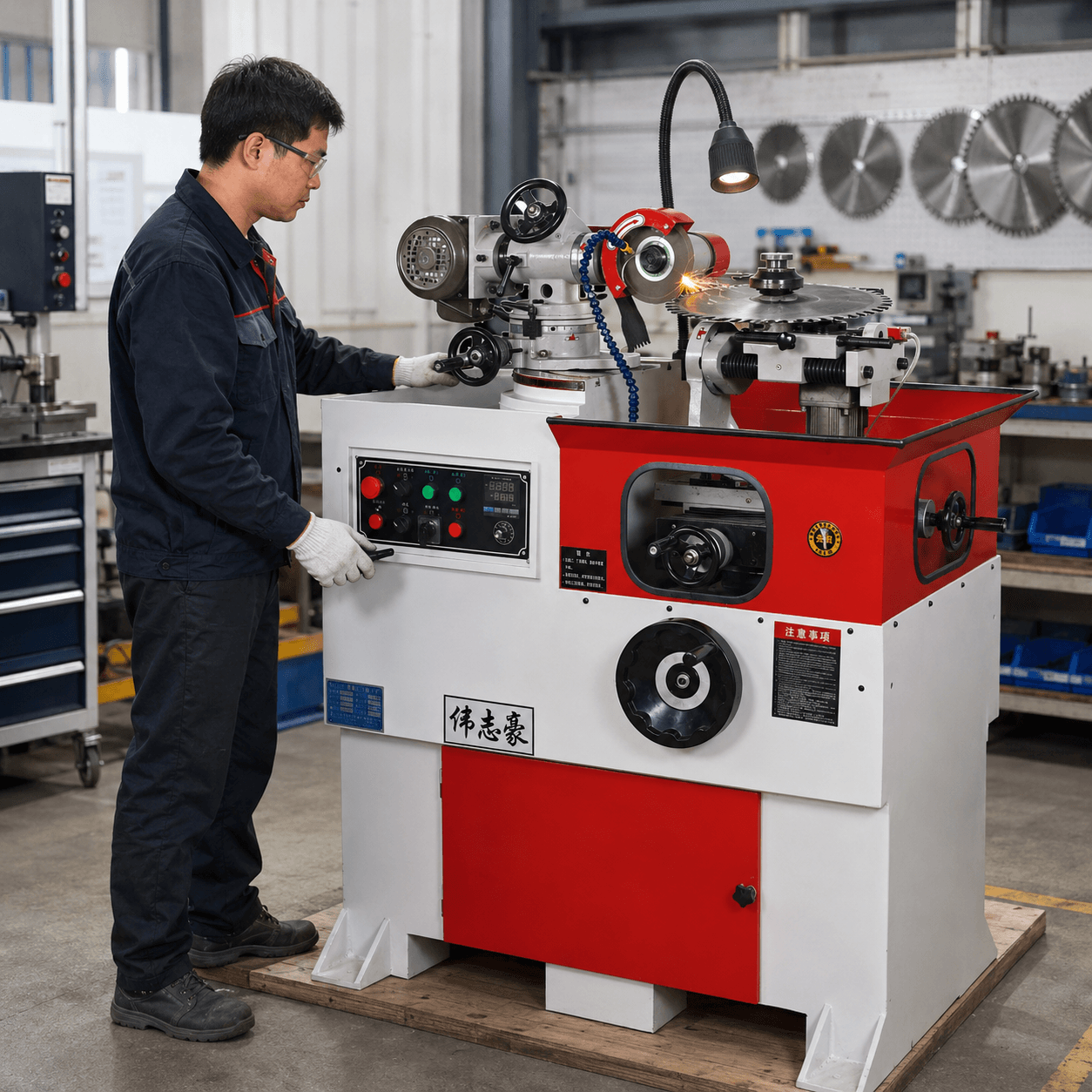
Common Blade Defects and Their Causes
Understanding blade defects is the first step in effective diagnosis. Here are the most frequent issues encountered in wood panel production:
- Chipped edges: Often caused by foreign objects or improper handling. A universal tool grinder can restore the edge geometry.
- Burned tips: Result from excessive heat during grinding. Check your grinding wheel speed and coolant flow.
- Uneven wear: Indicates misalignment or inconsistent feed rates. Use a straight knife grinder for precise correction.
- Micro-cracks: Often due to thermal stress. Inspect under magnification and adjust grinding parameters.
Diagnosis Procedure for Cutter Grinder Operators
Follow this step-by-step procedure to diagnose blade defects effectively:
- Visual inspection: Examine the blade under good lighting. Look for chips, cracks, and discoloration.
- Edge geometry check: Use a protractor or template to verify angles. A saw blade grinder can help maintain consistent angles.
- Surface finish assessment: Run your fingernail along the edge. Roughness indicates dullness or improper grinding.
- Balance test: Mount the blade on a balancer. Vibration during operation suggests imbalance.
Preventive Maintenance Tips
Regular maintenance reduces defect occurrence. Consider these tips:
- Clean blades after each use to prevent resin buildup.
- Store blades in protective cases to avoid chipping.
- Schedule periodic sharpening using a profiling knife sharpening machine for complex profiles.
- Train operators on proper grinding techniques.
When to Replace vs. Regrind
Not all defects can be corrected. Replace blades if:
- Cracks extend more than 10% of the blade diameter.
- Edge thickness is below minimum specification.
- Multiple chipped teeth reduce cutting efficiency.
For minor defects, regrinding on a blade grinding machine is cost-effective.
FAQ
FAQ: How often should I inspect blades for defects?
Inspect blades daily before use. For high-volume production, perform a quick visual check every shift and a detailed inspection weekly.
FAQ: What is the most common defect in wood panel blades?
Chipped edges are most common, often from contact with hard knots or foreign objects. Regular inspection and proper handling reduce this issue.
FAQ: Can a cutter grinder fix all blade defects?
No. While a cutter grinder can correct many edge defects, structural issues like deep cracks or severe warping require blade replacement.
FAQ: What training is needed for defect diagnosis?
Operators should understand blade geometry, common defect causes, and proper use of measuring tools. Weizhihao offers setup training for buyers; see our FAQ page for details.
For more information on selecting the right equipment for your wood panel production, contact Weizhihao Machinery for a quote or visit our products page to explore our range of grinding solutions.