
Saw Blade Sharpener Buyer Records: Separate Body Condition from Tooth Geometry
Learn how buyer records separate saw body condition from tooth geometry so a saw blade sharpener is specified, tested, quoted, and accepted correctly.

Saw Blade Sharpener Buyer Records: Separate Body Condition from Tooth Geometry
Quick Answer: A saw blade sharpener record needs two linked blocks: saw-body condition and tooth geometry. Record body defects separately from the tooth recipe. A grinder that reproduces angles cannot make an unfit blade body run true. This split improves machine selection, quotations, and acceptance testing.
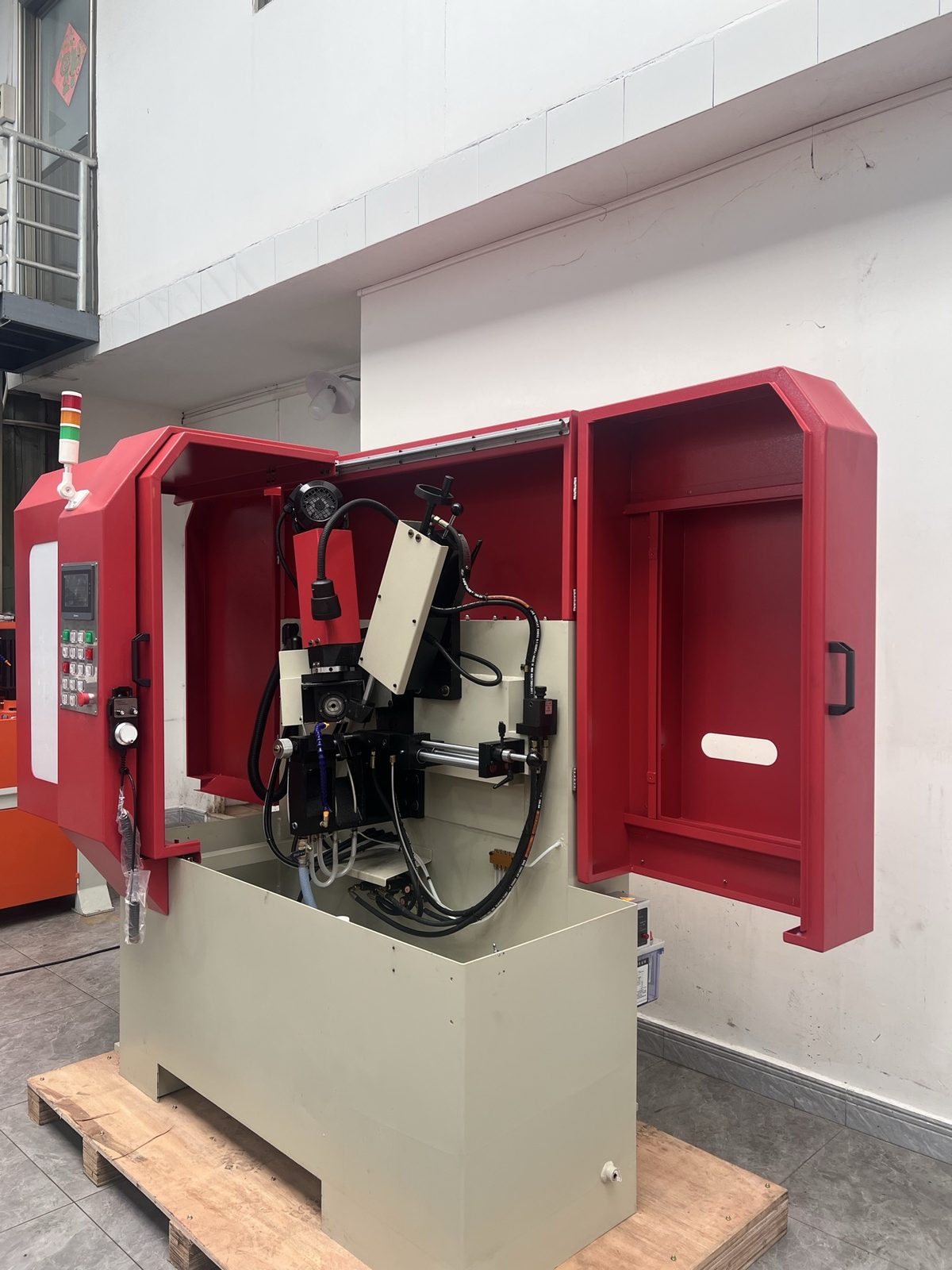
Why one blade-condition field causes wrong comparisons
“Blade condition” is too broad for a buyer record. A circular saw blade can have the right tooth recipe but need body work, or have an acceptable body but need a different tooth setup for the material. Combining those decisions makes tooth-grinding capability look like a cure for a structural problem.
Training.gov.au — FWPSAW3233 Sharpen circular saw blades (2024) specifies grinding the blade body before tooth sharpening to maintain clearance, while separately setting tooth-profile geometry, set or kerf, thickness, and diameter. Buyers should route body findings before approving a grinding cycle.
Saw-body record: inspect before geometry
Use a dedicated inspection block for saw diameter, plate thickness, bore, flatness or runout observations, tension condition, cracks, heat marks, and prior repair. Add a disposition: acceptable for tooth grinding, hold for body repair, or reject pending technical review. Photos and measured observations make the decision traceable.
Sahateollisuuskirja — Circular blades (2026) lists checking and adjusting blade-body condition and tension as a separate step before CNC sharpening and side grinding. That sequence supports a clear handoff between body work and tooth work.
Tooth-geometry record for the saw blade sharpener
The second block is the grinding recipe. Record tooth count, pitch, tooth profile, hook or rake, clearance, bevel, kerf, target material, and whether the TCT saw blade needs top and face grinding. Retain the wheel type, wheel dressing status, fixture or arbor, and verified result.
ForestWorks — File and set saw blades for hand saws and circular saws (2026) states that incorrect clearance, rake, or bevel can contribute to overheating, premature wear, reduced cutting efficiency, poor finish, or fibre tearing. It also links inconsistent tooth profiles with vibration and rough cuts.
Comparison table: body condition versus tooth geometry
| Record block | Typical finding | Correct decision | Buyer check |
|---|---|---|---|
| Saw body | Runout, tension concern, crack, heat damage | Route to body repair or review | Confirm whether a separate process is required |
| Tooth geometry | Wrong profile, rake, clearance, or bevel | Set and grind the recipe | Verify fixtures and top/face capability |
| Grinding result | Inconsistent tooth finish | Check wheel and setup | Review wheel dressing and operator training |
How records drive saw blade sharpener selection
Compare a saw blade grinder category against the geometry work required, not unresolved body defects. Ask for supported saw diameter range, TCT fit, tooth setups, supplied tooling and fixtures, consumables, spare parts, and a sample acceptance plan. VOLLMER — CS 860 & CSF 860 (2026) describes an integrated sensor that records cutting width, blade thickness, and tooth surface for automatic calibration; confirm which measurement and setup functions are included.
For mixed toolrooms, distinguish circular-saw work from straight knife grinding equipment and universal tool grinder options. Weizhihao manufactures relevant sharpening and grinding equipment, and its industrial product range can help frame the correct inquiry.
Workflow: inspect, route, grind, verify, retain
Assign an ID and inspect the blade body first. Route any body issue before approving the tooth recipe. Then set the fixture, wheel, and geometry; choose manual vs automatic operation around repeatability and operator training. Inspect the finished teeth and retain the result with the body disposition.
FAQ
See the Weizhihao FAQ hub for further buyer guidance.
FAQ: Can sharpening correct blade runout or tension?
No. Tooth sharpening restores cutting geometry; runout or tension is a saw-body condition requiring its own assessment and, where appropriate, separate repair.
FAQ: Which tooth-geometry fields are non-negotiable?
Record tooth profile, tooth count or pitch, hook or rake, clearance, bevel, kerf, target material, and whether top and face grinding is required.
FAQ: Why can a blade cut poorly after its angles are restored?
The body may be unfit to run true, or the restored recipe may not match the intended material. Check both records before blaming the grinder.
FAQ: What should be included in a grinder inquiry?
Send saw diameter, blade and bore details, body-condition findings, tooth recipe, TCT requirement, sample photos, target output, and requested acceptance checks.
Send a quote-ready record
Prepare the two-block record before requesting a proposal. Send it with sample-blade photos and required training, tooling, shipment inspection, and acceptance-test points through the Weizhihao quote request page for a focused B2B discussion.