
Knife Grinding Machine Nameplate and Drawing Revision Records for Repeat Orders
Control repeat knife grinding machine orders with nameplate data, drawing revisions and acceptance records to protect the approved configuration.

Knife Grinding Machine Nameplate and Drawing Revision Records for Repeat Orders
Quick Answer: Before repeating a knife grinding machine order, send the installed machine’s nameplate details and request written confirmation of the governing drawing number and revision. The purchase order, approved drawing package, option list, and acceptance record should identify the same build. This controls repeat-order risk better than a familiar model name or generic specification sheet.
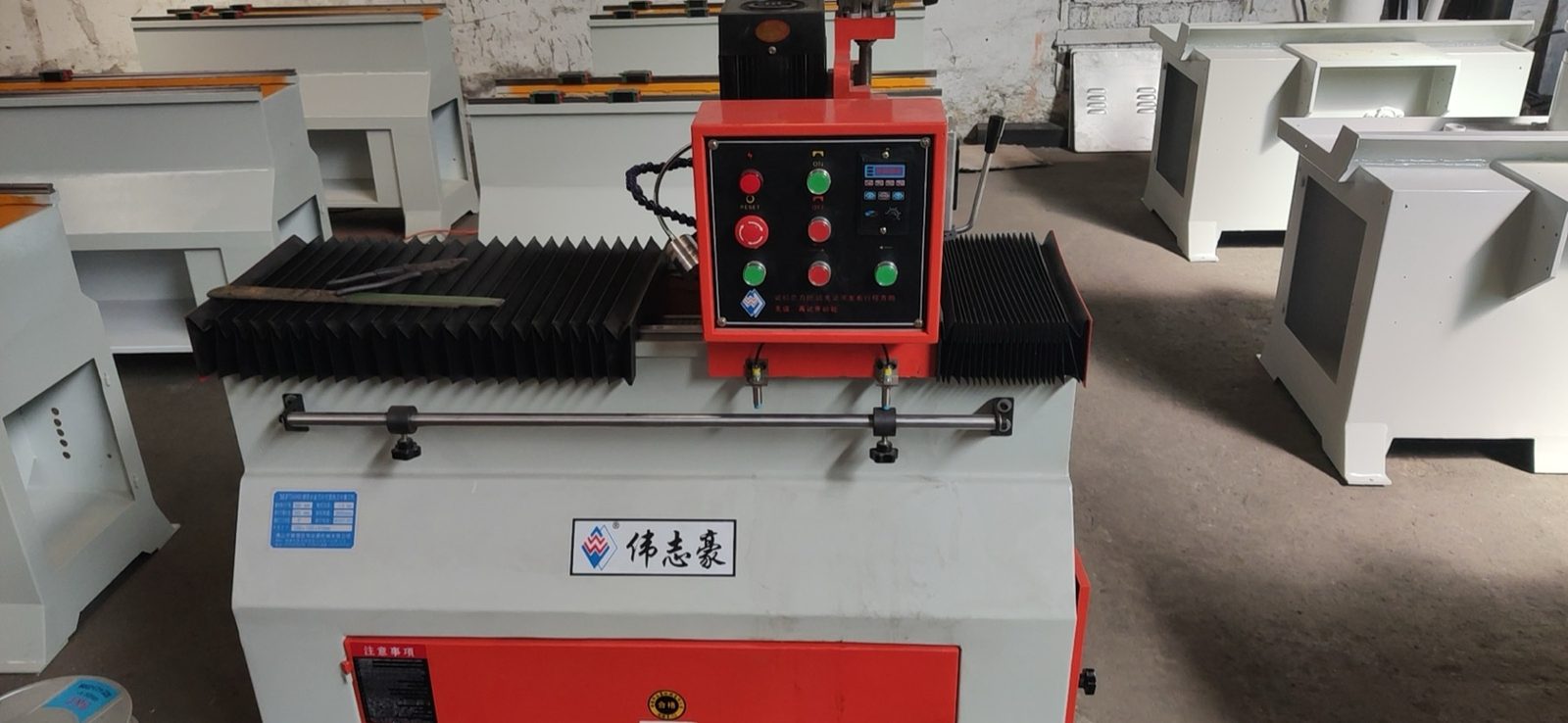
Why repeat knife grinding machine orders need configuration control
A repeat order is not automatically identical. A model name may not show changes to fixtures, electrical arrangements, coolant provisions, grinding wheel interfaces, or agreed options. Treat the installed machine as the baseline and ask the supplier to identify what will be repeated.
ASME (2025) defines practices for revising drawings and associated documents, including methods for identifying and recording revisions. For buyers, the practical point is that the quote should state the approved machine definition governing the build, not describe a knife grinder machine generally.
Start with the nameplate and connect it to the drawing
Photograph the complete nameplate and retain it with original order documents. EFA Germany (2021) shows a nameplate example with machine designation, part number, year of production, type, and serial number. These identifiers help the supplier find the correct historical record and distinguish installed configurations.
Request a written reply listing the model, serial-number reference, drawing number, drawing revision, and proposed option list. State blade length, knife width, fixture arrangement, coolant expectations, and required grinding wheel or consumables. If straightness tolerance formed part of original acceptance, include that check again.
Build a controlled package before requesting a factory quote
Attach the approved drawing, option list, approved deviations, nameplate photo, prior acceptance record, and relevant service notes to the inquiry. ShopXpert (2026) recommends comparing the revision on a purchase order with the drawing retained on file when an order arrives. Apply the same comparison before production and during shipment inspection.
The package should also name required spare parts, training expectations, and the acceptance test to be witnessed or documented. It need not copy every old feature; it makes each intended change visible, priced, and approved.
Nameplate-only reorder versus controlled revision package
| Decision factor | Nameplate-only reorder | Nameplate plus controlled package |
|---|---|---|
| Installed baseline | Model and serial reference only | Nameplate tied to approved drawing revision |
| Option visibility | Changes may be assumed | Fixtures, coolant, wheel interface, and extras listed |
| Factory quote | Scope can remain broad | Supplier confirms the defined build in writing |
| Acceptance and service | Records are hard to compare | Test record and spare-parts reference follow one baseline |
Authorize a newer revision only by written decision
Do not let a newer drawing revision replace the approved baseline without a written decision. Request a change summary, identify the affected assembly or option, and ask whether tooling, consumables, capacity, inspection, or operator training will be affected. Authorize either the prior approved revision or newer revision in the purchase order.
During pre-shipment inspection, compare the serial-number reference, final drawing revision, option list, and acceptance results against the order. Confirm shipment documentation and the parts list needed for future support.
Purchase-order checklist for a repeat CNC knife grinder
- Nameplate photo and installed machine serial-number reference
- Drawing number and revision governing the new build
- Approved option list, fixtures, coolant arrangement, and grinding wheel requirements
- Blade length, knife width, and any agreed straightness tolerance
- Acceptance-test record, training scope, spare-parts list, and shipment-inspection documents
For applicable straight-knife work, review Weizhihao’s straight knife grinder category and its wider blade grinding machine range. Buyers comparing related equipment can also review the Weizhihao product range.
Buyer questions
For more buyer guidance, visit the Weizhihao FAQ hub.
FAQ: What should a nameplate provide for a repeat order?
Provide a clear photo showing available machine designation, type, serial number, year, and part-number details. Ask the supplier to match them to retained drawing and order records.
FAQ: Should the repeat order use the newest drawing revision?
Not automatically. Use the previously approved revision when matching the installed baseline is the priority; adopt a newer revision only after reviewing and authorizing documented changes.
FAQ: How can a buyer confirm that a CNC knife grinder matches an installed machine?
Require written confirmation linking the serial reference, drawing revision, option list, and acceptance criteria. Compare these records before production and at inspection.
FAQ: What happens if a drawing changes during production?
Request a written change notice, its effect on the order, and supplier acknowledgement. Do not rely on verbal approval for a change affecting the agreed machine definition.
Weizhihao is a manufacturer of relevant sharpening and grinding equipment. For a repeat-order review, share the nameplate photo, existing drawing files, blade details, and desired acceptance checks through our heavy-duty CNC linear knife grinding machine page or send a B2B quote request with the revision package.