
Saw Blade Identity Cards for Reliable Regrinding History
Build a blade identity card for every saw blade sharpener cycle, improving traceability, setup control, acceptance checks, and quote-ready planning for buyers.

Saw Blade Sharpener Identity Cards: Keep Regrinding History with Each Blade
A saw blade sharpener delivers more consistent results when the operator knows what happened to each blade before it reaches the machine. For furniture workshops, sawmills, and tool service shops, a simple blade identity card creates that continuity. It links the physical blade to its tooth geometry, prior grinding work, inspection findings, and next service decision.
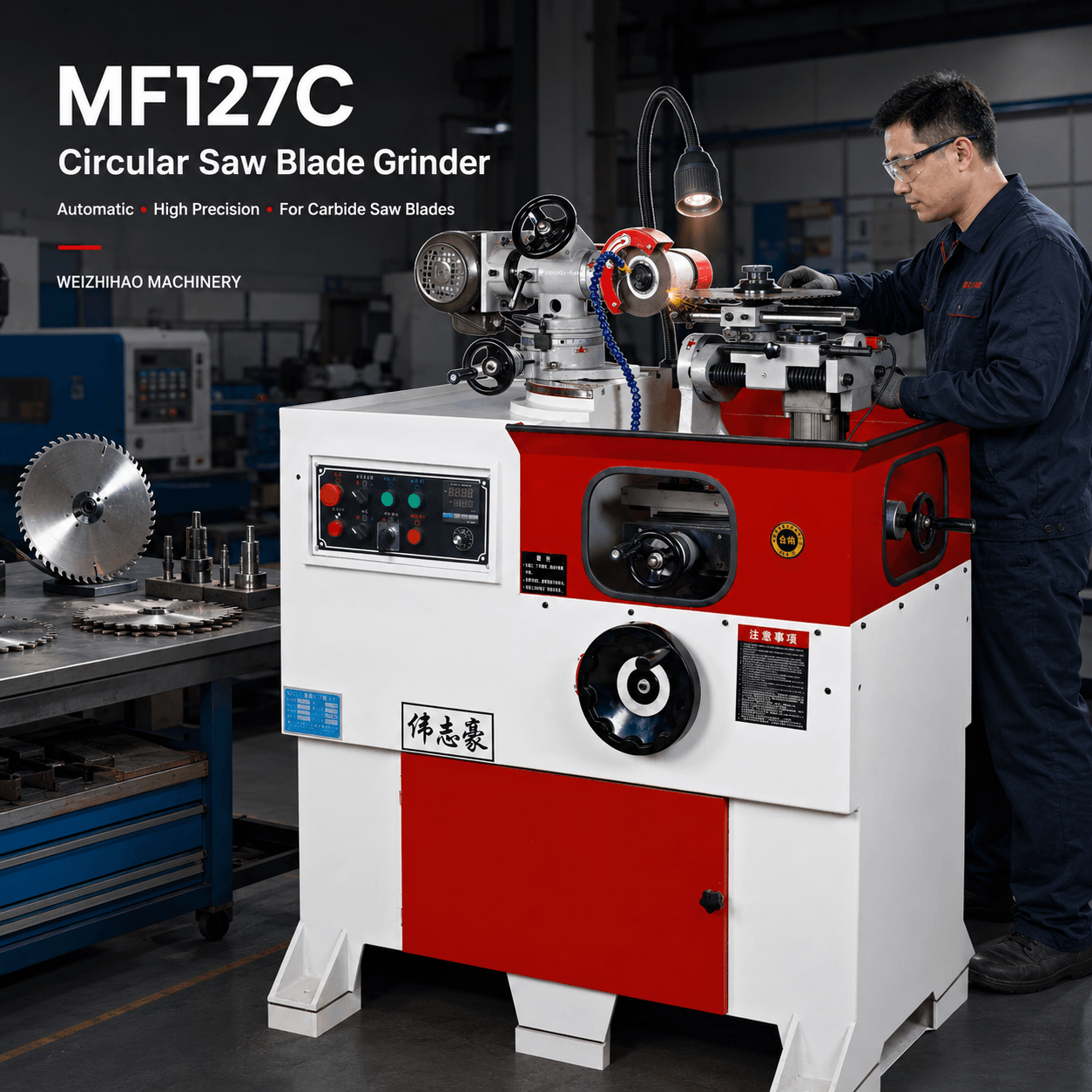
The card can travel with the blade in a protective sleeve or be maintained in a digital job record. Its purpose is not paperwork for its own sake. It helps the team repeat a proven setup, identify changes in blade condition, and give purchasing teams useful evidence when evaluating equipment, tooling, and consumables.
What a saw blade sharpener identity card should record
Assign each blade a unique ID and record the manufacturer reference where available. Then capture the saw diameter, bore and tooth count, blade material or TCT saw blade construction, and the intended cutting application. Include the tooth profile and relevant angles, rather than relying on memory or an unverified label.
For every regrinding cycle, record the date, operator, machine used, fixture or holder, wheel type, and whether top and face grinding were completed. Note wheel dressing activity and any observed tooth damage, missing tips, heat marks, runout concerns, or uneven wear. A before-and-after observation, even when brief, makes the next review more meaningful.
Use history to repeat the right setup
History cards help distinguish a blade that needs routine sharpening from one that needs further evaluation before grinding. They also reduce setup variation when several operators share a circular saw blade grinding machine. If a prior job produced acceptable cutting results, the team can review the recorded fixture, tooth profile, and grinding sequence before beginning again.
This supports a practical manual vs automatic decision. A low-volume service shop may use records to standardize manual setups, while a higher-throughput operation can use them to define repeatable inputs for an automatic workflow. In either case, the record should not replace an operator’s inspection of clamping, tooth condition, and grinding result.
Make the card useful during purchase and acceptance
When comparing a saw blade grinder category, bring representative identity cards to the discussion. They show the real saw diameter range, tooth setups, TCT requirements, and job frequency the equipment must handle. This is more useful than asking for a general-purpose quote without blade data.
Ask the supplier how the proposed tooling and fixtures suit your recorded blades, which consumables should be planned, and what operator training is included in the handover. During shipment inspection and acceptance testing, use selected blades from the record set. Confirm the machine can be set up safely, follow the intended grinding sequence, and produce results your team can inspect against its normal service standard.
Weizhihao manufactures sharpening and grinding equipment for industrial buyers. Review the wider Weizhihao product range, compare related universal tool grinder options where other tooling is in scope, and keep saw blade requirements separate in the evaluation file.
Build a quote-ready record set
Before requesting pricing, provide photos of representative blades and several completed cards. State the expected monthly volume, preferred grinding tasks, available power information, required spare parts approach, and acceptance samples. A supplier can then respond to the actual workload instead of assumptions.
B2B inquiry CTA: Send your blade list and identity-card examples through the Weizhihao quote request page to discuss a suitable saw blade sharpening workflow.
Frequently asked questions
FAQ: Which details matter most on a blade identity card?
Start with blade ID, saw diameter, tooth count, tooth profile, TCT status, application, and prior grinding work. Add fixture, wheel, and inspection notes after each cycle.
FAQ: Should the card record wheel dressing?
Yes. Recording wheel dressing helps explain changes in grinding behavior and supports consistent setup decisions across operators and shifts.
FAQ: Can identity cards help compare manual and automatic machines?
Yes. They reveal blade mix, repeat-job frequency, and setup variation, helping buyers assess whether manual control or greater automation better fits the workload.
FAQ: What should buyers ask during acceptance testing?
Use representative recorded blades and verify setup, clamping, intended grinding steps, and inspectable results. See the buyer FAQ for additional inquiry preparation.