
Saw Blade Sharpener Blade Defect Diagnosis Notes For Portugal Joinery Export Plants
Learn how to diagnose blade defects in saw blade sharpeners for Portugal joinery export plants. Practical checks for TCT saw blades, tooth profile, and grinding accuracy.
Saw Blade Sharpener Blade Defect Diagnosis Notes For Portugal Joinery Export Plants
Portugal’s joinery export plants rely on precision cutting tools to meet European quality standards. A saw blade sharpener is central to maintaining consistent edge geometry, but blade defects can still occur. This guide provides practical diagnosis notes for common defects seen in TCT saw blades, helping you identify root causes and optimize your sharpening process. Whether you operate a manual or automatic saw blade grinder, these checks will reduce scrap and improve tool life.
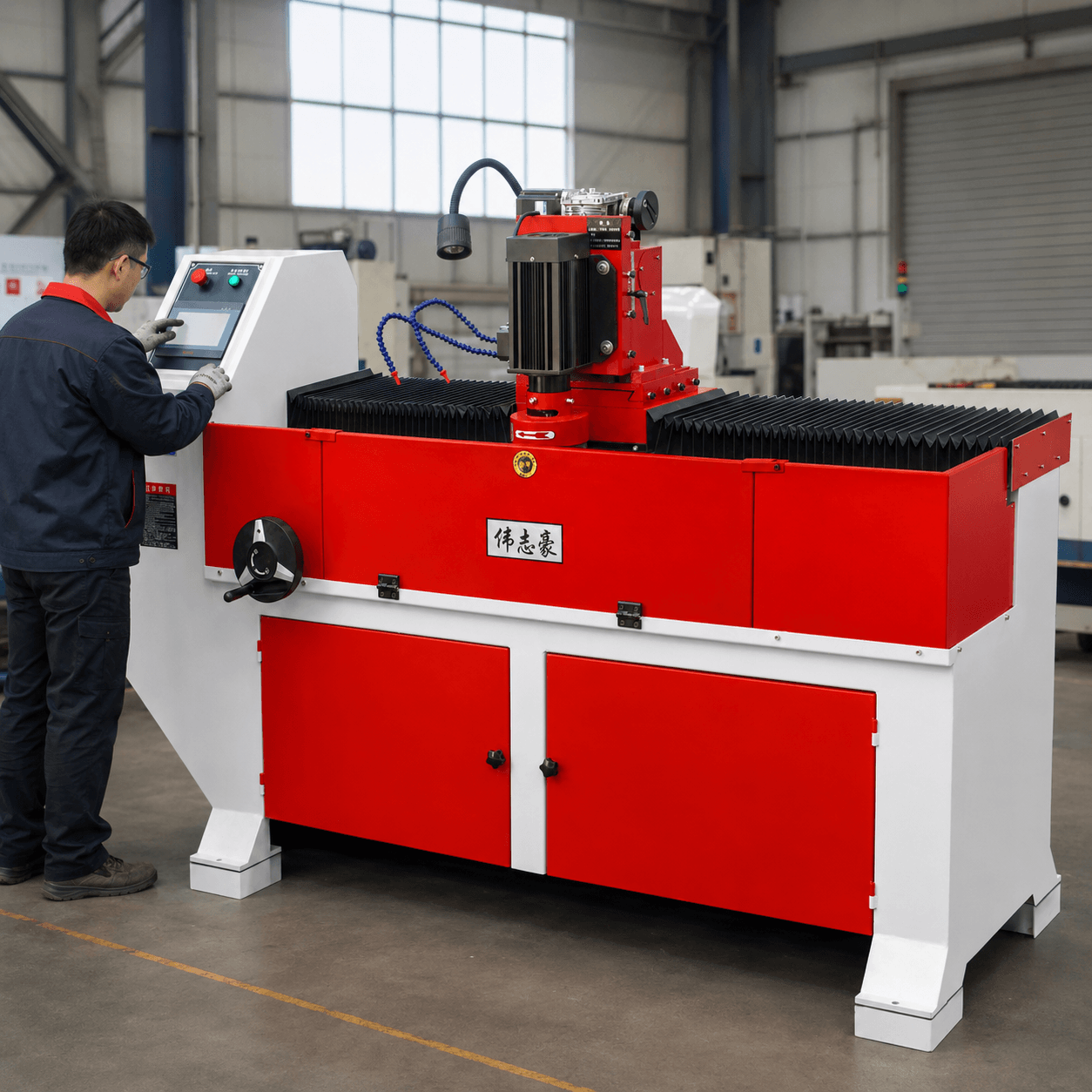
Common Blade Defects in Joinery Production
Joinery export plants often process hardwoods, MDF, and laminates. Frequent defects include chipped teeth, burnt cutting edges, uneven tooth height, and incorrect clearance angles. These issues typically stem from improper grinding parameters, worn grinding wheels, or incorrect clamping. A systematic diagnosis approach saves time and money.
Chipped or Broken Teeth
Chipped teeth usually indicate excessive feed rate or a dull grinding wheel. Check the saw blade sharpener wheel dressing frequency. For TCT blades, ensure the wheel is suitable for carbide. If chipping persists, reduce the depth of cut per pass. Also inspect the blade for pre-existing damage before sharpening.
Burnt Cutting Edges
Blue or discolored edges signal overheating. This can be caused by insufficient coolant flow, too high a grinding speed, or a glazed wheel. Verify coolant concentration and nozzle alignment. For automatic circular saw blade grinding machines, check the spark pattern; a consistent, light spark indicates proper contact.
Uneven Tooth Height
Uneven teeth lead to vibration and poor cut quality. This defect often arises from incorrect indexing or worn clamping fixtures. Use a dial indicator to measure runout on the blade arbor. If the saw blade sharpener uses a manual index, verify the index pin condition. For automatic models, check the encoder or cam system.
Incorrect Tooth Profile
Tooth profile errors (e.g., wrong hook angle or clearance) affect cutting performance. Compare the ground profile against a master blade using a profile projector. Adjust the grinding wheel angle and dress the wheel to the correct shape. Many circular saw blade sharpeners allow fine adjustment of top and face angles.
Diagnosis Workflow for Export Plants
Implement a step-by-step diagnosis routine:
- Visual inspection under good lighting – look for cracks, burns, or missing teeth.
- Measure tooth height with a caliper or height gauge; record variations.
- Check runout on the blade body using a dial indicator (max 0.05 mm).
- Verify grinding wheel condition – dress if necessary.
- Review machine settings – feed rate, depth of cut, coolant flow.
- Test cut on representative material; evaluate edge quality and noise.
Document findings to track recurring issues. For complex defects, consult your saw blade grinder supplier’s technical support.
Preventive Measures
Prevention is better than cure. Schedule regular maintenance of your saw blade grinder, including wheel dressing, coolant replacement, and fixture cleaning. Train operators on proper clamping and feed techniques. Use quality grinding wheels specified for TCT blades. Consider upgrading to an automatic circular saw blade sharpening machine for consistent results.
When to Seek Expert Help
If defects persist after basic checks, involve your machine manufacturer. Weizhihao Machinery offers remote diagnosis and spare parts support. Visit our product range for reliable saw blade sharpeners built for export-grade joinery. For common questions, see our FAQ page or contact us for a quote.
Frequently Asked Questions
FAQ: What is the most common defect in TCT saw blade sharpening?
The most common defect is chipped teeth, often caused by excessive feed rate or a dull grinding wheel. Regular wheel dressing and proper feed settings minimize this issue.
FAQ: How often should I dress the grinding wheel on my saw blade sharpener?
Dress the wheel after every 20–30 blades, or sooner if you notice burn marks or vibration. Use a diamond dresser for carbide wheels.
FAQ: Can I sharpen blades with different tooth profiles on the same machine?
Yes, most circular saw blade grinding machines allow adjustment of angles and profiles. However, you must reset parameters and dress the wheel accordingly for each profile.
FAQ: What coolant is recommended for grinding TCT blades?
Use a water-soluble synthetic coolant with 5–8% concentration. It provides good cooling and prevents rust. Change coolant weekly to avoid bacterial growth.
For more detailed guidance, explore our saw blade grinder range or request a consultation. Weizhihao Machinery supports Portugal joinery exporters with reliable equipment and after-sales service.