
Planer Knife Grinder Grinding Wheel Dressing Schedule For Kenya Timber Processing Shops
Learn the optimal grinding wheel dressing schedule for planer knife grinders in Kenya timber shops. Improve blade quality and reduce downtime.
Planer Knife Grinder Grinding Wheel Dressing Schedule For Kenya Timber Processing Shops
In Kenya’s timber processing industry, maintaining sharp planer knives is critical for achieving smooth finishes and maximizing production efficiency. A well-planned grinding wheel dressing schedule for your planer knife grinder ensures consistent blade geometry, reduces heat buildup, and extends wheel life. This guide provides practical dressing intervals and methods tailored for Kenyan workshops, helping you avoid common pitfalls and maintain high output.
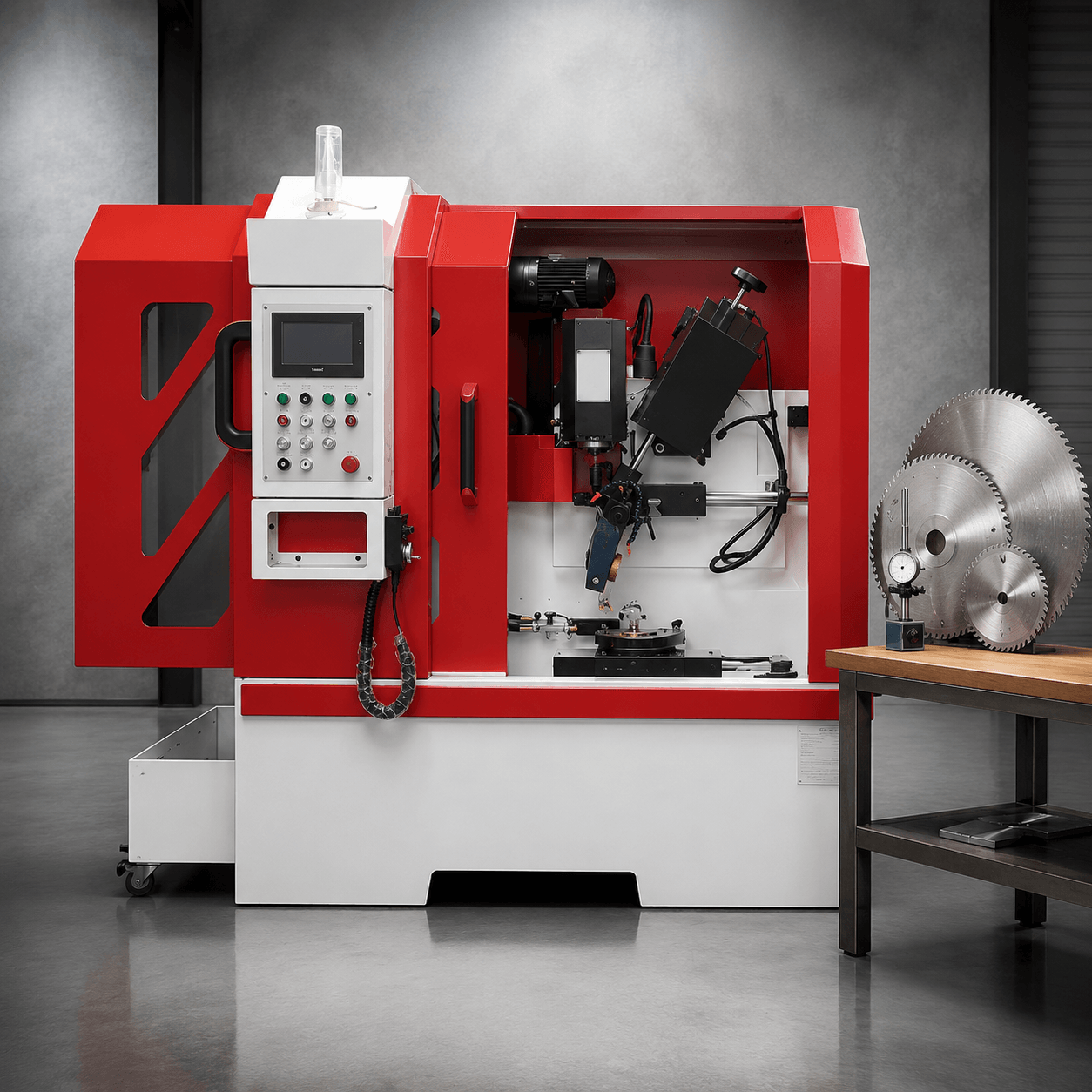
Why Dressing Matters for Your Planer Knife Grinder
Grinding wheels used on a planer knife grinder gradually become loaded with metal particles and lose their cutting edge. Regular dressing restores the wheel’s abrasive surface, ensuring each pass removes material efficiently. Without a schedule, you risk burning the knife edge, producing inconsistent straightness, and wasting time on re-grinds. For shops processing veneer, timber, or paper knives, a disciplined approach directly impacts blade life and product quality.
Recommended Dressing Frequency for Kenya Timber Shops
The ideal interval depends on usage intensity and wheel type. As a baseline:
- High-volume production (8+ hours daily): Dress the wheel after every 20–30 knife sharpenings or at the start of each shift.
- Medium-volume shops (4–8 hours daily): Dress every 40–50 sharpenings or twice per week.
- Low-volume or job-shop (intermittent use): Dress weekly or whenever you notice chattering or burn marks.
Always inspect the wheel face for glazing or loading before each use. A simple touch-dress with a diamond tool can restore sharpness in seconds.
Dressing Methods for Straight Knife Grinders
Most straight knife grinders use a single-point diamond dresser mounted on the machine. Follow these steps:
- Ensure the wheel is running at operating speed.
- Advance the dresser 0.02–0.05 mm per pass across the wheel face.
- Make multiple light passes until the surface is clean and uniform.
- Check for runout using a dial indicator; acceptable tolerance is under 0.01 mm.
For planer blade sharpening machines with CBN or diamond wheels, use a brake-controlled truing device to maintain geometry. Always follow the manufacturer’s guidelines for your specific planer knife grinder model.
Signs Your Wheel Needs Dressing
Train operators to watch for these indicators:
- Burn marks or discoloration on the knife edge.
- Excessive vibration or noise during grinding.
- Rough surface finish on the blade.
- Increased grinding time per knife.
If any of these occur, stop and dress immediately. Ignoring them leads to poor blade straightness and reduced chuck holding accuracy.
Choosing the Right Dressing Tool
For conventional aluminum oxide wheels, a single-point diamond dresser is cost-effective and widely available. For superabrasive wheels (CBN/diamond), use a rotary diamond dresser or brake-controlled truing device. Keep spare dressers on hand to avoid downtime. Weizhihao’s straight knife grinder range includes compatible dressing accessories for various wheel types.
Integrating Dressing into Your Maintenance Routine
Create a simple logbook to track dressing events, wheel changes, and blade quality. Pair this with regular coolant checks and magnetic chuck cleaning. For shops new to planer blade sharpening machines, Weizhihao offers first-run training to establish proper dressing habits. Explore our complete product range for machines with automated dressing options.
FAQ: Grinding Wheel Dressing for Planer Knife Grinders
FAQ: How often should I dress the grinding wheel on my planer knife grinder?
For typical Kenyan timber shops running 8-hour shifts, dress the wheel after every 20–30 knife sharpenings or at the start of each shift. Adjust based on wheel loading and blade finish quality.
FAQ: What happens if I don’t dress the wheel regularly?
Neglecting dressing causes glazing, which leads to heat buildup, blade burning, poor straightness, and shorter wheel life. It also increases grinding time and reduces productivity.
FAQ: Can I use the same dressing tool for all wheel types?
No. Use a single-point diamond dresser for conventional wheels (aluminum oxide, silicon carbide). For CBN or diamond wheels, use a rotary dresser or brake-controlled truing device to avoid damaging the wheel.
FAQ: Does Weizhihao provide training on dressing schedules?
Yes. Weizhihao offers on-site and remote training for all planer knife grinders, including dressing best practices. Contact our team via the contact page to schedule a session.
Optimize Your Grinding Process Today
A consistent grinding wheel dressing schedule is a small investment that pays dividends in blade quality and machine uptime. For Kenyan timber processing shops, adopting these practices ensures your planer knife grinder delivers reliable performance. Browse Weizhihao’s straight knife grinder collection or visit our FAQ page for more tips. Ready to upgrade? Request a quote today.