
Straight Knife Grinding Machine Vibration Troubleshooting After Delivery
Learn how to troubleshoot vibration on straight knife grinding machines after delivery. Check foundation, wheel balance, and spindle to restore accuracy.
Straight Knife Grinding Machine Vibration Troubleshooting After Delivery
After receiving a new straight knife grinding machine, some operators notice unexpected vibration during the first runs. This can affect knife grinding accuracy and lead to poor surface finish. While vibration may seem alarming, it is often caused by simple setup or environmental factors that can be corrected without service calls. This guide covers common causes and practical steps for straight knife grinding machine vibration troubleshooting after delivery.
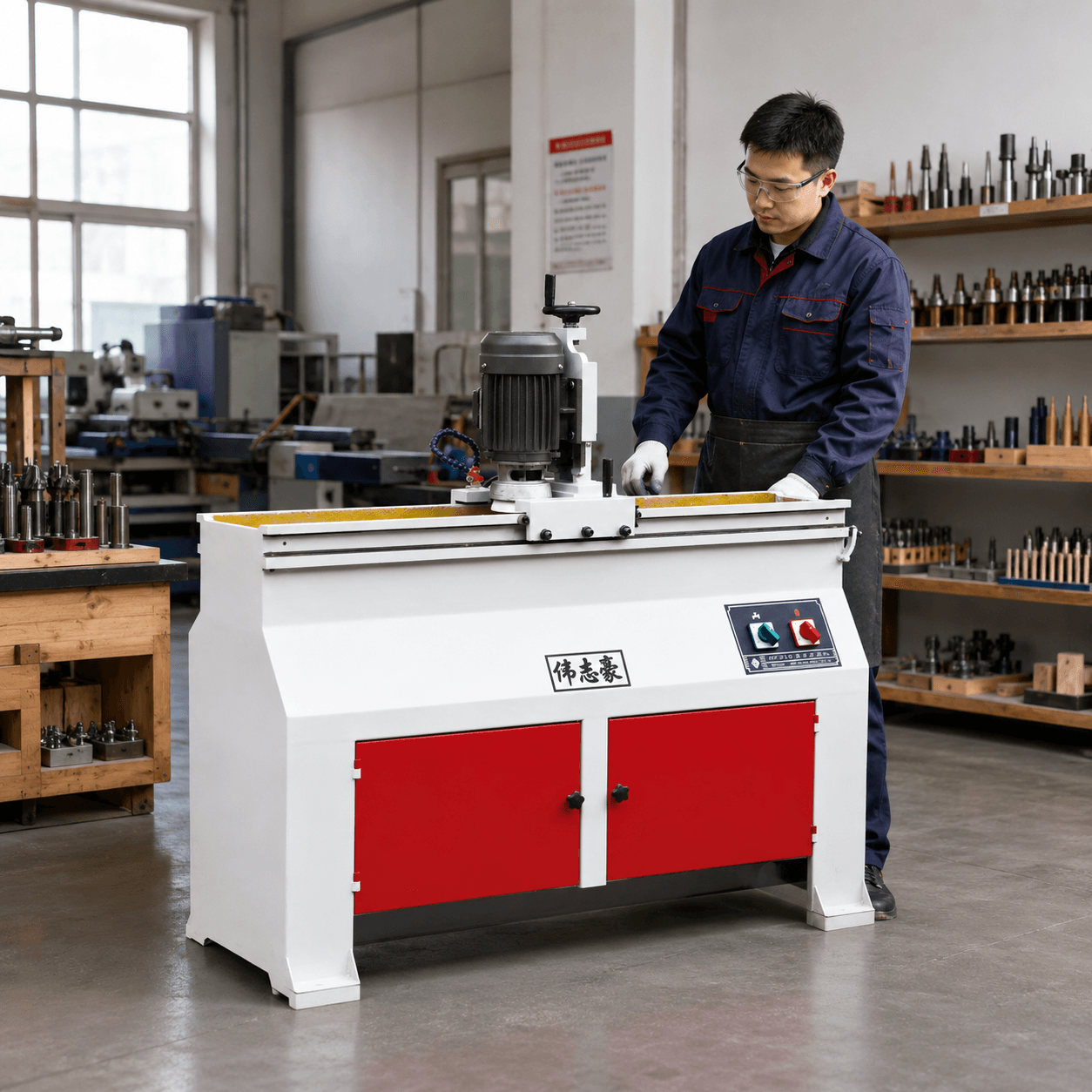
Common Causes of Vibration on New Straight Knife Grinders
Vibration in a straight knife grinder typically originates from one of three areas: the foundation, the grinding wheel, or the machine spindle. Checking these systematically helps identify the root cause quickly.
1. Foundation and Leveling Issues
A machine sitting on an uneven or weak floor can amplify vibration. Ensure the grinder is placed on a solid concrete floor and leveled using the adjustable feet. Use a precision level to check both longitudinal and transverse leveling. If the floor is not rigid, consider installing vibration-damping pads or a reinforced base.
2. Grinding Wheel Imbalance or Dressing
An unbalanced grinding wheel is a frequent source of vibration. After mounting a new wheel, it must be balanced using a wheel balancer. Also, dress the wheel with a diamond dresser to true its face and remove any loading. Even a slightly glazed wheel can cause chatter marks on the knife edge.
3. Spindle Bearing or Drive Issues
If the foundation and wheel are correct, the spindle bearings or drive belt may be the culprit. Check for bearing play by gently rocking the wheel arbor. Listen for unusual noises during rotation. A loose or worn drive belt can also cause periodic vibration. Refer to the machine manual for bearing preload adjustment or belt tension specifications.
Step-by-Step Troubleshooting Process
Follow these steps in order to isolate and resolve vibration:
- Verify machine leveling – Use a machinist’s level on the table and chuck. Adjust feet until bubble is centered.
- Check grinding wheel balance – Remove the wheel and rebalance it on a balancing stand. Reinstall and run without workpiece to feel vibration.
- Inspect wheel flange and mounting – Ensure flanges are clean and the wheel is centered. Tighten nut to recommended torque.
- Dress the wheel – Use a single-point diamond dresser to true the wheel face. Remove at least 0.1 mm of material.
- Test spindle runout – Mount a dial indicator on the spindle nose. Runout should be within manufacturer specs (typically under 0.01 mm).
- Check drive belt tension – Press belt midway; deflection should be about 10 mm. Adjust or replace if needed.
- Examine coolant flow – Uneven coolant can cause thermal distortion. Ensure nozzles are directed properly.
When to Contact the Supplier
If vibration persists after all checks, contact your machine supplier. Provide details of the troubleshooting steps taken. At Weizhihao Machinery, we support buyers with after-sales technical assistance. Our straight knife grinder range includes models with rigid cast-iron bases and precision spindles designed to minimize vibration. For complex issues, our engineers can guide you through remote diagnostics or arrange on-site service.
Preventing Vibration in Future Operations
Establish a routine maintenance schedule: check leveling monthly, balance wheels before each use, and inspect belts quarterly. Keep a log of vibration levels for trend analysis. Proper training for operators on grinding machine products also reduces setup errors. For more tips, visit our FAQ page or contact us for support.
Frequently Asked Questions
FAQ: What is the most common cause of vibration on a new straight knife grinder?
The most common cause is an unbalanced or improperly dressed grinding wheel. Always balance and dress the wheel after installation. Also ensure the machine is level on a solid foundation.
FAQ: Can vibration damage the knife or the machine?
Yes, prolonged vibration can cause poor surface finish, reduce knife life, and accelerate bearing wear. It may also loosen fasteners. Address vibration promptly to avoid costly repairs.
FAQ: How do I check if the spindle is causing vibration?
Remove the grinding wheel and run the spindle at operating speed. Place a dial indicator on the spindle nose to measure runout. If runout exceeds 0.01 mm, the spindle may need adjustment or replacement.
FAQ: Should I use vibration-damping pads under the machine?
If the floor is not perfectly rigid, vibration-damping pads can help. However, ensure the machine is still leveled properly on the pads. Consult the machine manual for recommended isolation methods.
If you need further assistance with your straight knife grinding machine, contact Weizhihao Machinery for expert support and spare parts.