
How to Compare Grinding Wheel Options for Industrial Knife Grinders
Learn how to compare industrial knife grinder grinding wheel options for blade sharpening. Key factors for grinding wheel selection in industrial knife grinder applications.
How to Compare Grinding Wheel Options for Industrial Knife Grinders
Selecting the right grinding wheel for your industrial knife grinder is critical for achieving consistent blade sharpness, maximizing wheel life, and controlling operating costs. With numerous abrasive types, bond systems, and grit sizes available, a systematic comparison helps you match the wheel to your specific blade material and grinding conditions. This guide outlines the key factors in grinding wheel selection for industrial knife grinder applications.
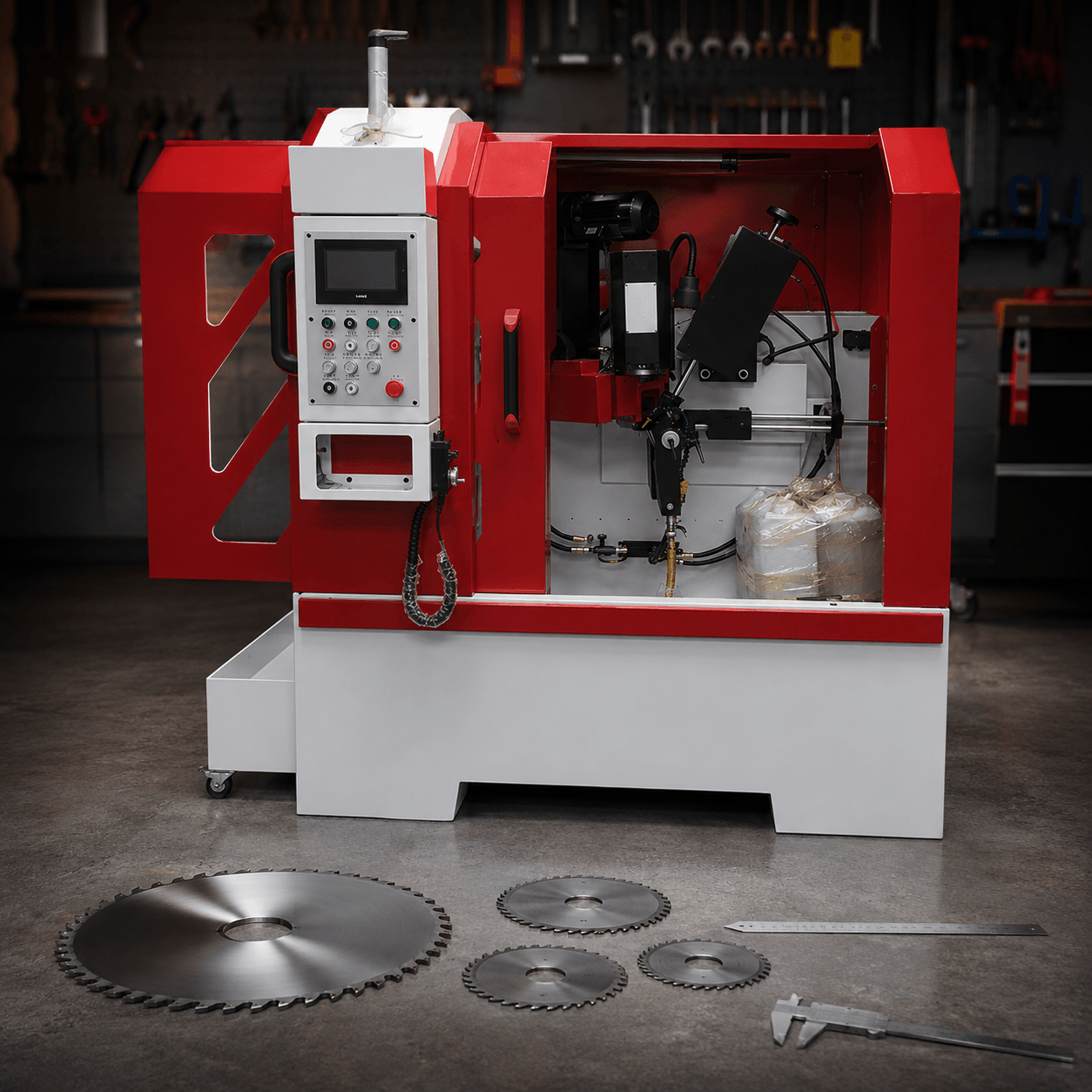
Key Factors in Grinding Wheel Comparison
Abrasive Material
The abrasive determines how the wheel cuts and wears. Common options include:
- Aluminum Oxide: General-purpose, suitable for high-speed steel (HSS) and carbon steel knives. Offers good toughness and cost-effectiveness.
- Silicon Carbide: Best for carbide-tipped blades and non-ferrous materials. Provides a sharp cutting action but wears faster on steels.
- Ceramic Alumina: Premium option for tough alloys and high-production grinding. Self-sharpening grains reduce heat buildup and extend wheel life.
- Cubic Boron Nitride (CBN): Ideal for hardened tool steels and superalloys. Excellent thermal conductivity and wear resistance, but higher initial cost.
Grit Size
Grit size affects surface finish and material removal rate. Coarse grits (36–60) are for rapid stock removal; medium grits (80–120) balance speed and finish; fine grits (150–240) produce smooth edges for finishing. For most industrial knife grinding, 60–120 grit is common.
Bond Type
The bond holds abrasive grains together and influences wheel hardness and release rate:
- Vitrified Bond: Porous, rigid, and heat-resistant. Suitable for precision grinding and maintaining form.
- Resin Bond: Flexible and shock-absorbent. Good for high-speed operations and thin wheels.
- Metal Bond: Durable and wear-resistant, often used with diamond or CBN abrasives for long life.
Wheel Hardness and Structure
Harder wheels (higher grade) hold grains longer but may burn the workpiece. Softer wheels release dull grains faster, reducing heat but wearing quicker. Match hardness to the blade material: harder for soft steels, softer for hard alloys. Open structure aids coolant flow and chip clearance.
Matching Wheel to Blade Material
For HSS planer knives, a medium-grit aluminum oxide wheel with vitrified bond works well. Carbide-tipped saw blades require silicon carbide or diamond wheels. For chipper knives made of tough alloy steel, ceramic alumina or CBN wheels improve productivity. Always consult the industrial knife grinder manufacturer’s recommendations for wheel specifications.
Practical Comparison Tips
- Test wheels on a sample blade to evaluate cutting speed, finish, and wheel wear.
- Check wheel balance and runout to avoid vibration and poor accuracy.
- Consider coolant compatibility: some bonds degrade in certain fluids.
- Review cost per grind, not just wheel price, to assess total value.
For a wide selection of blade sharpening consumables and grinding machines, explore our product range. If you need guidance on grinding wheel selection for your specific industrial knife grinder, visit our buyer FAQ or contact our team for a quote.
Frequently Asked Questions
FAQ: What grinding wheel is best for sharpening HSS planer knives?
For HSS planer knives, a white aluminum oxide wheel (46–80 grit) with a vitrified bond is commonly recommended. It provides a sharp edge without burning the steel. For higher productivity, ceramic alumina wheels offer longer life and cooler cutting.
FAQ: Can I use the same wheel for carbide and steel blades?
No. Carbide requires a silicon carbide or diamond wheel, while steel blades need aluminum oxide or CBN. Using the wrong abrasive can cause poor cutting, excessive wear, or blade damage. Always match the wheel to the blade material.
FAQ: How often should I dress the grinding wheel?
Dress the wheel whenever you notice glazing, loading, or reduced cutting performance. For frequent use, dressing once per shift or after every 20–30 blades is typical. Use a diamond dresser to restore sharpness and concentricity.
FAQ: What safety precautions are needed when comparing grinding wheels?
Always check the wheel’s maximum RPM rating against your grinder’s speed. Inspect for cracks or damage before mounting. Use proper guards and eye protection. Never exceed the wheel’s rated speed to prevent breakage.
For more detailed advice on grinding wheel selection and industrial knife grinder setup, browse our straight knife grinder and saw blade grinder categories. Request a quote today to optimize your blade sharpening operations.