
Knife Grinder Accuracy Checks for Paper and Packaging Knife Resharpening
Learn essential knife grinder accuracy checks for paper and packaging knife resharpening. Ensure straightness tolerance and consistent edge quality with our guide.
Knife Grinder Accuracy Checks for Paper and Packaging Knife Resharpening
In the paper and packaging industry, the precision of cutting knives directly impacts product quality and production efficiency. Regular knife grinder accuracy checks are essential to maintain tight straightness tolerance and ensure consistent resharpening results. This guide outlines key verification steps for industrial buyers evaluating grinding equipment for paper knife resharpening and packaging knife grinding.
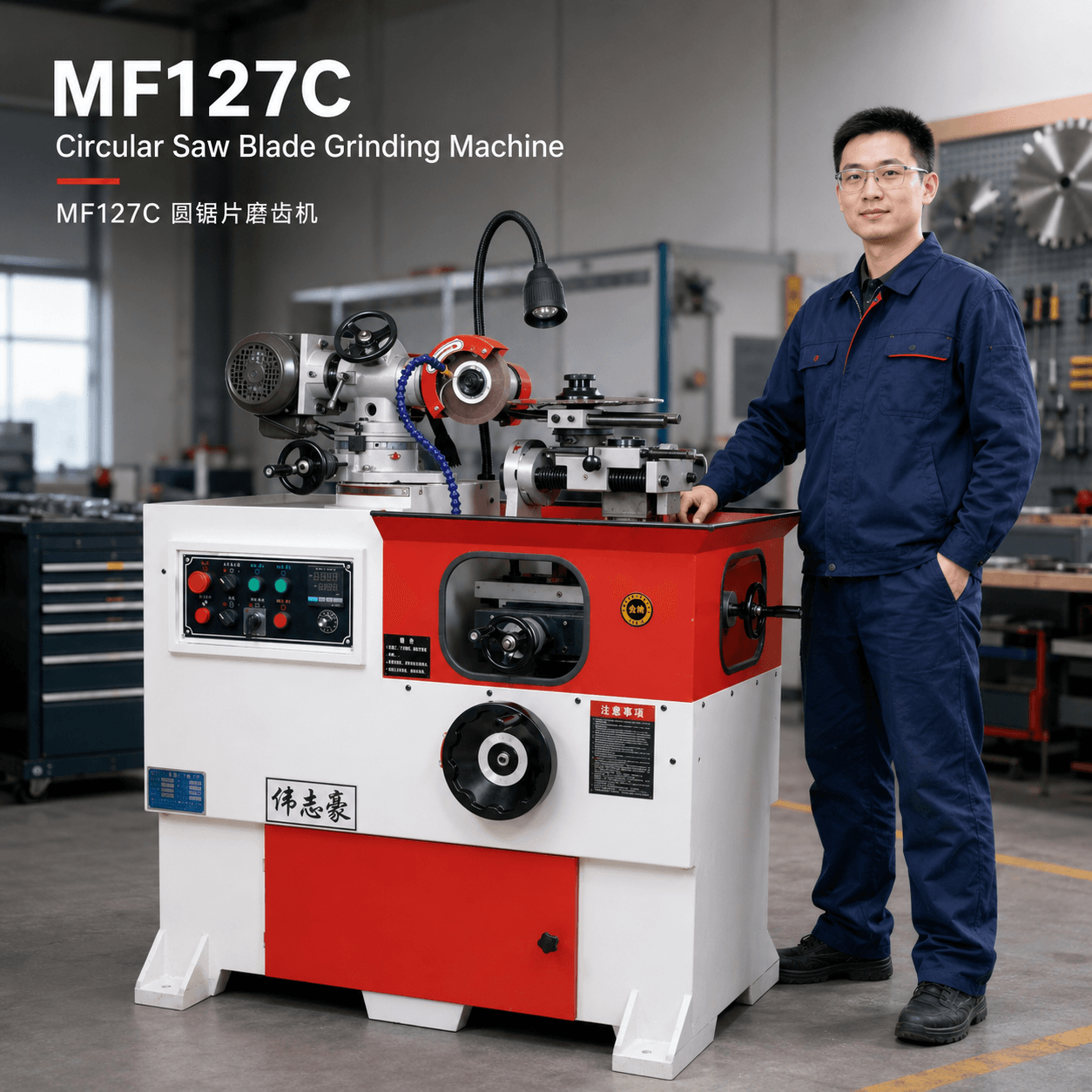
Why Accuracy Checks Matter for Paper and Packaging Knives
Paper and packaging knives operate at high speeds and require extremely sharp, straight edges. Even minor deviations in straightness can cause tearing, dust, or misaligned cuts. By performing systematic accuracy checks on your straight knife grinder, you can extend blade life, reduce downtime, and maintain consistent output.
Key Accuracy Parameters to Verify
Straightness Tolerance
The most critical parameter is straightness tolerance. Use a precision straightedge and feeler gauge to check the ground edge along the entire knife length. For paper knives, a tolerance of 0.02 mm per meter is typical. Record measurements at multiple points to identify any deviation.
Parallelism of Grinding Wheel to Table
Ensure the grinding wheel spindle is parallel to the magnetic chuck or worktable. Misalignment causes uneven material removal and poor edge quality. Use a dial indicator to check parallelism within 0.01 mm.
Table Travel Smoothness
The table must move smoothly without stick-slip. Any irregularity transfers to the knife edge. Check by manually moving the table and observing the dial indicator for fluctuations.
Coolant Flow and Filtration
Consistent coolant flow prevents heat buildup and washout of abrasive particles. Verify that nozzles are directed at the grinding zone and that filtration removes swarf effectively. For more details, see our buyer FAQ on coolant systems.
Step-by-Step Accuracy Check Procedure
- Clean the machine – Remove all debris from the table, chuck, and wheel.
- Mount a test bar – Use a precision ground bar of known straightness.
- Check wheel balance – An unbalanced wheel causes vibration and poor finish.
- Perform a spark-out pass – Grind without infeed to verify consistent contact.
- Measure the ground surface – Use a profilometer or straightedge.
- Document results – Keep records for trend analysis.
Common Issues in Packaging Knife Grinding
Packaging knives often have coatings or special geometries. Accuracy checks must account for these. For example, a knife with a bevel angle requires the grinder to maintain angular consistency. Check the blade grinding machine specifications to ensure it can handle coated blades without delamination.
When to Perform Accuracy Checks
- Daily – Visual inspection of wheel and coolant.
- Weekly – Straightness check on a sample knife.
- Monthly – Full geometric check of the machine.
- After any crash or maintenance – Immediate verification.
Choosing a Grinder with Built-in Accuracy Features
When evaluating new equipment, look for features that simplify accuracy checks: digital readouts, automatic wheel dressing, and rigid cast-iron construction. Browse our product range to compare models designed for paper and packaging applications.
FAQ
FAQ: What straightness tolerance is acceptable for paper knife resharpening?
Typically, a straightness tolerance of 0.02 mm per meter is acceptable for most paper cutting applications. For high-speed packaging lines, tighter tolerances of 0.01 mm may be required.
FAQ: How often should I perform knife grinder accuracy checks?
Perform basic checks daily, with a full geometric verification monthly. Increase frequency if you notice edge quality degradation or after machine maintenance.
FAQ: Can a packaging knife grinder handle different blade lengths?
Yes, most industrial grinders accommodate various lengths. Ensure the machine’s table length and magnetic chuck size match your longest knife. Check our straight knife grinder category for specifications.
FAQ: What causes poor straightness after resharpening?
Common causes include wheel imbalance, worn spindle bearings, incorrect wheel dressing, or thermal expansion from inadequate coolant. Systematic accuracy checks help identify the root cause.
Get Expert Advice
Need help selecting a grinder that meets your accuracy requirements? Contact our team for a consultation. We can discuss your specific paper or packaging knife resharpening needs and recommend the right solution.