
Commissioning Checklist for Tool Resharpening Equipment Buyers | Weizhihao
A practical commissioning note for overseas buyers of tool resurfacing machinery. Verify alignment, coolant, and safety before first run.
Commissioning Checklist for Tool Resharpening Equipment Buyers
When your new tool resurfacing machine arrives at the workshop, proper commissioning ensures long-term accuracy and reduces downtime. This note covers the critical steps overseas buyers should follow before the first production run.
Pre-Power Checks
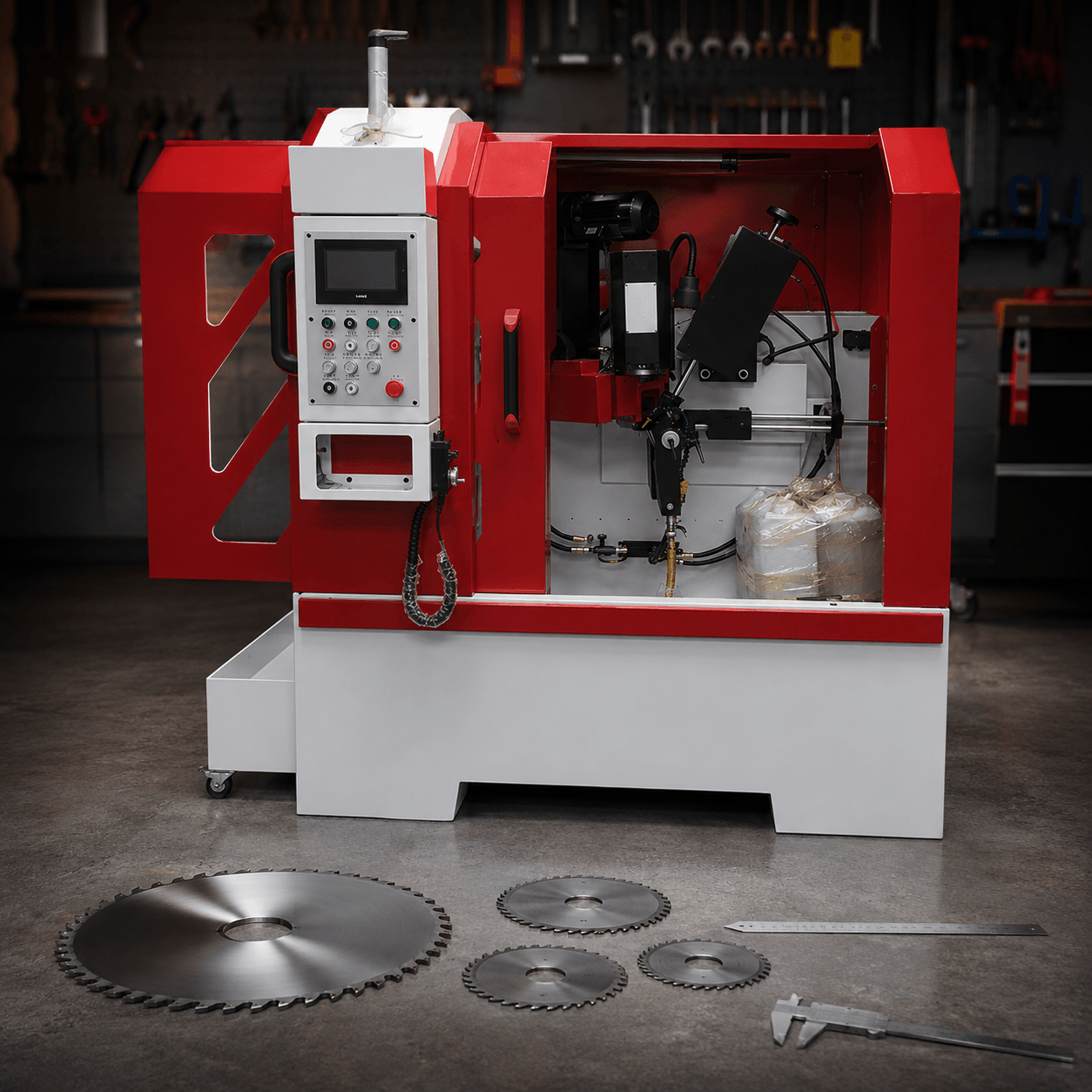
Before connecting power, inspect the machine for transit damage. Verify that all locking pins, transport brackets, and protective films are removed. Check the voltage and phase against your local supply. For saw blade grinders, confirm the spindle rotation direction matches the arrow on the wheel guard.
Coolant and Lubrication Systems
Fill the coolant tank with the recommended concentration of water-soluble oil. Run the pump to check for leaks and proper flow to the grinding zone. For straight knife grinders, ensure the lubrication lines to the table ways are primed. A dry start can score precision surfaces.
Grinding Wheel Mounting and Dressing
Mount the grinding wheel using the correct flanges and torque. Never exceed the maximum RPM marked on the wheel. Dress the wheel with a single-point diamond dresser to true the face. For universal tool grinders, use a wheel balancing stand if available to minimize vibration.
Alignment and Accuracy Verification
Use a dial indicator to check spindle runout. For blade grinding machines, verify that the workhead angle matches the tool geometry you intend to sharpen. Run a test grind on a scrap tool and measure the edge angle with a protractor. Adjust the stops and scales as needed.
Safety Systems
Test the emergency stop button and door interlocks. Ensure the coolant guard is in place and the wheel guard covers at least 180 degrees of the wheel. Review the buyer FAQ for common safety questions about grinding machine operation.
First Production Run
Start with light passes and gradually increase feed rate. Monitor the grinding sound and spark pattern. If you notice chatter or burn marks, stop and check wheel condition or coolant flow. Document the parameters for future reference.
Documentation and Support
Keep the commissioning report with photos for warranty records. If you encounter issues, contact Weizhihao Machinery through the contact page with your machine serial number and photos. Our team can guide you through adjustments remotely.
FAQ
FAQ: What should I do if the spindle does not rotate after power-on?
Check the main disconnect switch and fuses. Verify that the emergency stop is pulled out. If the machine has a phase reversal relay, swap any two incoming power lines. For further help, refer to the wiring diagram in the manual.
FAQ: How often should I dress the grinding wheel during commissioning?
Dress the wheel once after mounting to true it, then again after the first few grinding passes to establish the final shape. After that, dress only when you notice a decrease in cutting performance or surface finish.
FAQ: Can I use tap water instead of distilled water in the coolant mix?
Tap water may contain minerals that cause corrosion or bacterial growth. Use distilled or deionized water mixed with the recommended coolant concentrate. This extends coolant life and protects the machine.
FAQ: What is the typical commissioning time for a tool resurfacing machine?
Allow 4 to 8 hours for unpacking, setup, alignment, and test runs. Complex machines like profiling knife sharpeners may require additional time for cam or template setup.
Ready to commission your machine? Browse our product range for spare parts and accessories, or request a quote for on-site training.