
Voltage Confirmation and Crating Photo Checklist for Woodworking Machinery Shipments
Ensure safe woodworking machinery delivery with our voltage confirmation and crating photo checklist. Avoid delays and damage for importers and factory buyers.
Voltage Confirmation and Crating Photo Checklist for Woodworking Machinery Shipments
When importing woodworking machinery from overseas, voltage mismatches and improper crating are two of the most common causes of shipment delays, equipment damage, and costly rework. This checklist helps industrial buyers, factory purchasing teams, and importers verify critical details before a machine leaves the supplier’s warehouse. By following these steps, you can reduce risk and ensure a smooth handover.
Why Voltage Confirmation Matters
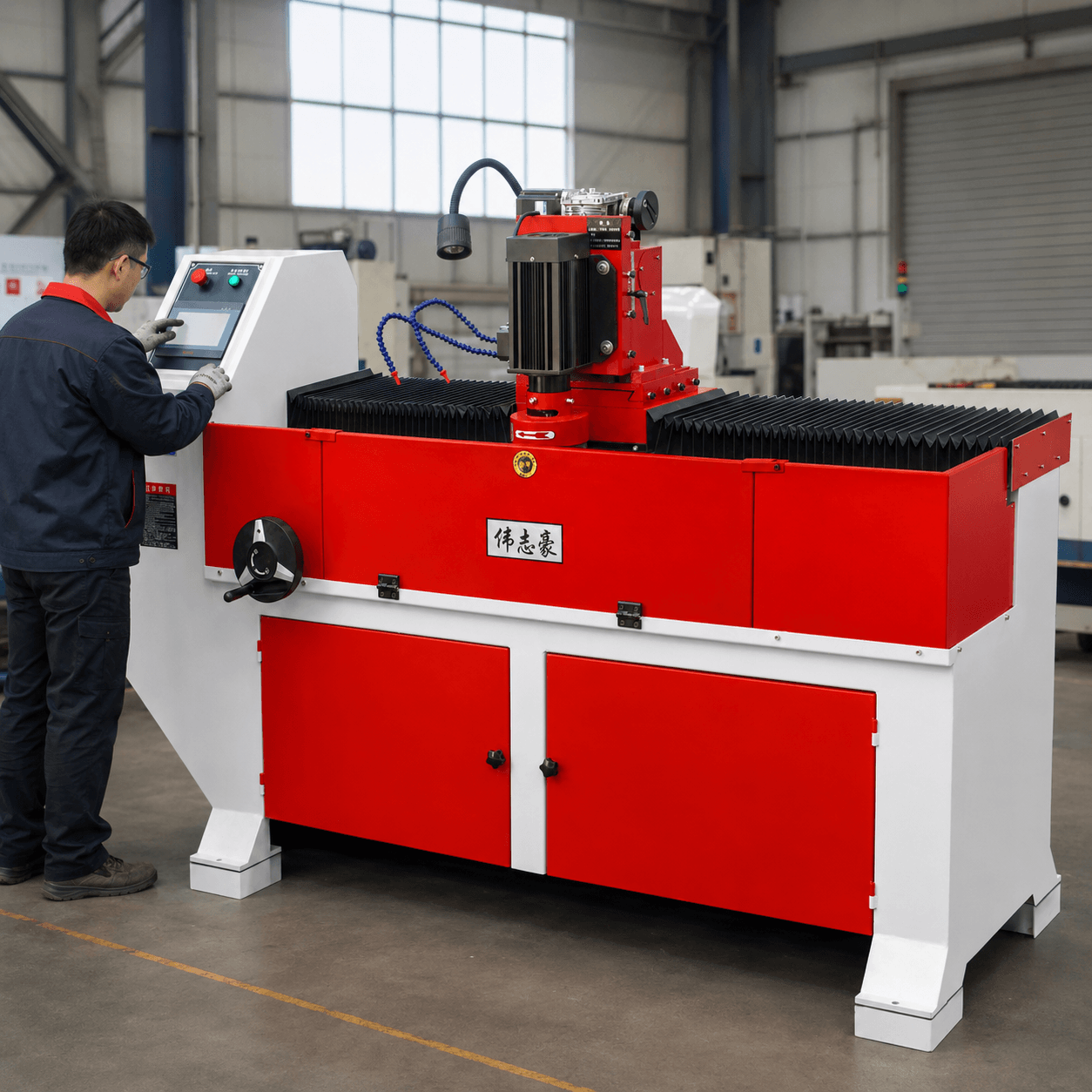
Woodworking machinery—such as saw blade grinders and straight knife grinders—often comes with motors configured for specific voltage and frequency. A mismatch can lead to motor burnout, reduced performance, or immediate failure upon startup. Always confirm the voltage (e.g., 220V, 380V, 415V, 480V) and frequency (50Hz or 60Hz) with the supplier. Request a voltage tag photo and a written specification sheet.
Crating Photo Checklist
Before the machine is loaded into the container, request a series of photos to document the crating process. This protects both buyer and seller in case of transit damage.
1. Exterior Crating Photos
Take clear images of the entire crate from all six sides. Ensure the crate is sturdy, with proper bracing and no visible damage. Check that the crate is marked with handling instructions and the consignee details.
2. Interior Packing Photos
Photograph the machine inside the crate, showing how it is secured with bolts, straps, or wedges. Verify that all moving parts are locked or blocked, and that fragile components are cushioned with foam or bubble wrap.
3. Accessories and Documentation
Take a photo of all included accessories, spare parts, and manuals laid out together. This helps confirm that the shipment matches the packing list. Also photograph the packing list itself inside the crate.
4. Final Sealing Photo
Once the crate is closed and sealed, take a photo showing the seals and any security tags. This provides evidence that the crate was intact at the time of departure.
Additional Pre-Shipment Checks
Beyond voltage and crating, consider these steps:
- Request a video of the machine running under load to confirm operation.
- Verify that the machine’s electrical panel matches your local standards (e.g., CE, UL).
- Confirm that the universal tool grinder or other equipment includes the correct plug type or terminal block.
- Review the buyer FAQ for common import questions.
FAQ
FAQ: What voltage information should I request from the supplier?
Ask for the rated voltage, frequency, phase (single or three), and full-load amperage. Request a photo of the motor nameplate and the electrical schematic.
FAQ: How many crating photos are enough?
At least 10–15 photos covering exterior, interior, accessories, and sealing. More is better; store them in a shared folder for easy reference.
FAQ: What if the voltage is different from my facility?
You may need a step-up/step-down transformer or a frequency converter. Discuss options with the supplier before shipment. Some machines, like blade grinding machines, can be rewired for dual voltage.
FAQ: Can I request a pre-shipment inspection?
Yes. Many buyers hire a third-party inspection agency or ask the supplier to provide a video walkthrough. Weizhihao Machinery also offers contact support for inspection arrangements.
Secure Your Shipment with a Reliable Partner
Using this checklist helps you avoid surprises. For a full range of woodworking machinery, explore our product range. If you have specific requirements, request a quote today.