
Overseas Buyer Handover Notes Before Sharpening Equipment Commissioning 2026
Essential handover checklist for overseas buyers before sharpening equipment commissioning. Ensure smooth setup with Weizhihao Machinery's expert guidance.
Overseas Buyer Handover Notes Before Sharpening Equipment Commissioning
Commissioning a new sharpening machine is a critical milestone for any overseas buyer. Proper handover ensures that your investment delivers maximum uptime and precision from day one. This guide outlines the essential steps and documentation you should review before your sharpening equipment is powered on.
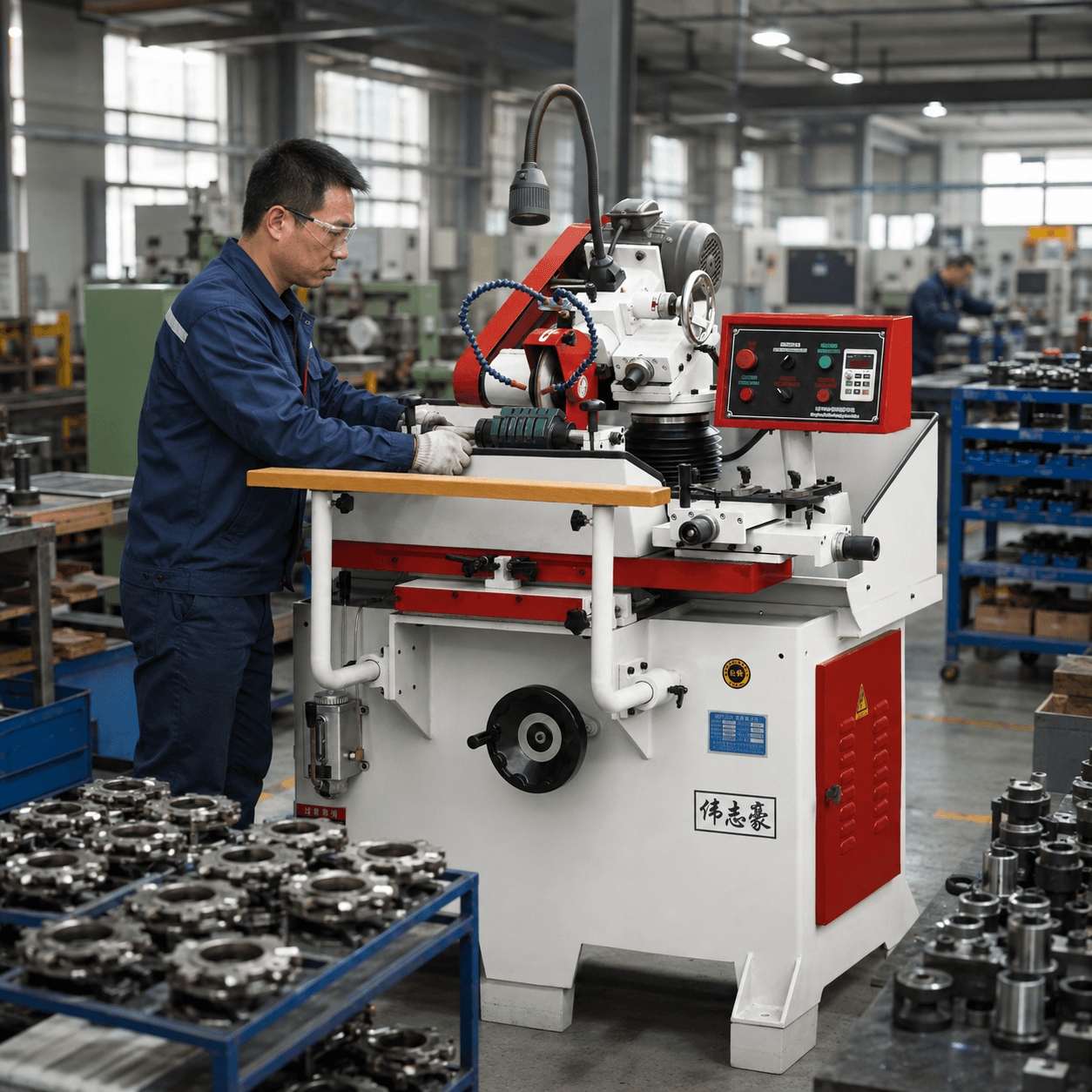
Pre-Commissioning Documentation Review
Before the commissioning engineer arrives, verify that you have received and reviewed all technical documents. This includes the machine manual, electrical schematics, hydraulic diagrams, and the spare parts list. Cross-check the serial numbers on the equipment against the packing list. If any documents are missing, contact your supplier immediately.
Site Preparation and Utility Checks
Ensure the installation site meets the requirements specified in the foundation drawing. Check that the electrical supply matches the machine’s voltage and phase configuration. For coolant systems, confirm that the water quality and pressure are within recommended ranges. A stable foundation and proper utilities prevent alignment issues and premature wear.
Inspection of Mechanical and Electrical Components
During handover, inspect all visible components for shipping damage. Check the saw blade grinder spindle for runout, verify the linear guides are clean, and ensure all electrical connections are tight. For straight knife grinders, examine the magnetic chuck and clamping system. Document any discrepancies with photos and report them to the supplier.
Operator Training and Safety Briefing
Commissioning includes operator training. Ensure your team understands the emergency stop procedures, coolant handling, and wheel dressing routines. Review the safety interlocks and verify that all guards are in place. A well-trained operator reduces the risk of accidents and extends machine life.
Commissioning Checklist
Step 1: Power-On and System Initialization
With the engineer present, power on the machine and check the control panel for error codes. Run the spindle at low speed and listen for unusual noises. Monitor the coolant flow and filtration system.
Step 2: Test Run with Sample Blades
Use sample blades provided by the supplier to perform a test grind. Measure the sharpness and geometry against your specifications. Adjust parameters as needed and record the settings for future reference.
Step 3: Verify Accuracy and Repeatability
For universal tool grinders, check the indexing accuracy. For profiling knife sharpening machines, confirm the profile reproduction. Document the results in the commissioning report.
Post-Commissioning Support and Warranty
After successful commissioning, ensure you receive the signed handover certificate. Keep a copy of the warranty terms and the contact information for after-sales support. For any questions, refer to the buyer FAQ or contact our team for assistance.
Frequently Asked Questions
FAQ: What documents should I have before commissioning?
You should have the machine manual, electrical schematics, hydraulic diagrams, spare parts list, and the packing list. Verify serial numbers and report any missing documents to your supplier.
FAQ: How do I prepare the site for a sharpening machine?
Ensure the foundation is level and meets the load specifications. Confirm electrical supply voltage and phase, and check coolant water quality and pressure. Refer to the foundation drawing provided by the manufacturer.
FAQ: What should I check during the mechanical inspection?
Inspect the spindle runout, linear guides, and all moving parts for damage. Check electrical connections and tighten any loose terminals. For straight knife grinders, verify the magnetic chuck surface.
FAQ: How long does commissioning typically take?
Commissioning duration varies by machine complexity, but typically ranges from one to three days. This includes installation, testing, and operator training. Plan accordingly with your production schedule.
Ready to commission your sharpening equipment? Request a quote or speak with our technical team for personalized support.