
Coolant Filtration and Wheel Care Notes for Sharpening Workshops 2026
Learn coolant filtration and grinding wheel care best practices for sharpening workshops. Improve precision and reduce costs with Weizhihao Machinery.
Coolant Filtration and Wheel Care Notes for Sharpening Workshops
In industrial sharpening workshops, coolant filtration and grinding wheel maintenance directly affect blade quality, tool life, and operating costs. This article provides practical notes for workshop managers and buyers evaluating grinding machine solutions.
Why Coolant Filtration Matters
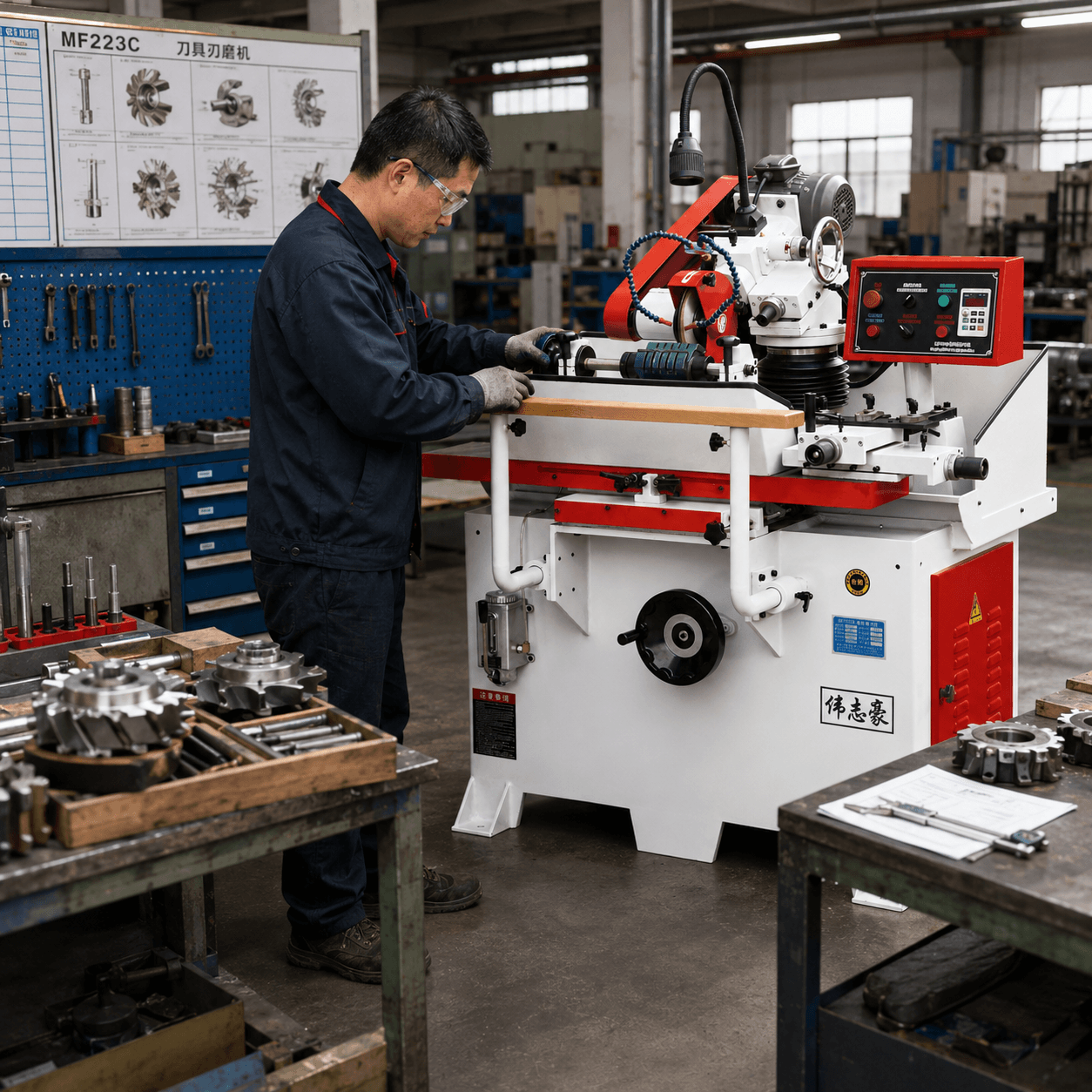
Contaminated coolant causes inconsistent grinding, wheel loading, and premature wear. Effective filtration removes metal swarf and abrasive particles, maintaining coolant clarity and thermal stability. For workshops using saw blade grinders or straight knife grinders, a well-designed filtration system reduces downtime and extends coolant life.
Filtration System Types
Common options include magnetic separators, paper band filters, and centrifugal clarifiers. Magnetic separators are effective for ferrous particles, while paper filters handle fine non-ferrous debris. For high-volume workshops, a combination system offers the best results.
Coolant Maintenance Schedule
Check coolant concentration and pH weekly. Replace coolant every 4–6 weeks depending on usage. Monitor for bacterial growth and use biocides as needed. Clean the tank and filters during each change.
Grinding Wheel Care Essentials
Proper wheel care ensures consistent sharpening and avoids vibration or burn marks. Key practices include dressing, balancing, and storage.
Dressing Frequency
Dress wheels after every 10–20 sharpenings or when glazing occurs. Use a single-point diamond dresser or rotary dresser for precision. For universal tool grinders, follow the manufacturer’s dressing recommendations.
Wheel Balancing
Unbalanced wheels cause vibration and poor surface finish. Use a balancing stand and adjust weights until the wheel runs true. Rebalance after each dressing.
Storage and Handling
Store wheels in a dry, temperature-stable area. Avoid impacts and stacking. Inspect for cracks before mounting.
Integrating Filtration and Wheel Care
Clean coolant reduces wheel loading, so filtration directly supports wheel life. Workshops using profiling knife sharpening machines benefit from consistent coolant quality to maintain profile accuracy.
FAQs
FAQ: How often should I replace coolant in my grinding machine?
Replace coolant every 4–6 weeks or sooner if it becomes cloudy or develops odor. Regular monitoring helps maintain performance.
FAQ: What is the best filtration method for a saw blade grinder?
Magnetic separators combined with paper band filters are effective for saw blade grinders, removing both ferrous and fine particles.
FAQ: How do I know when to dress the grinding wheel?
Signs include glazing, burn marks on the workpiece, or increased grinding force. Dressing restores sharpness and cutting action.
FAQ: Can poor coolant quality damage grinding wheels?
Yes, contaminated coolant can cause wheel loading, leading to glazing and reduced cutting efficiency. Proper filtration prevents this.
Optimize Your Workshop with Weizhihao Machinery
For more guidance on coolant systems and wheel care, visit our buyer FAQ page or contact our team for tailored recommendations. Explore our blade grinding machines designed for precision and reliability.