
Operator Training Checklist for Straight Knife Grinder Accuracy | Weizhihao Machinery
Ensure straight knife grinder accuracy with this operator training checklist. Covers setup, dressing, inspection, and safety for industrial buyers.
Operator Training Checklist for Straight Knife Grinder Accuracy
Consistent grinding accuracy depends on well-trained operators. This checklist helps factory managers and importers build a structured training program for straight knife grinder operators, reducing rejects and extending machine life.
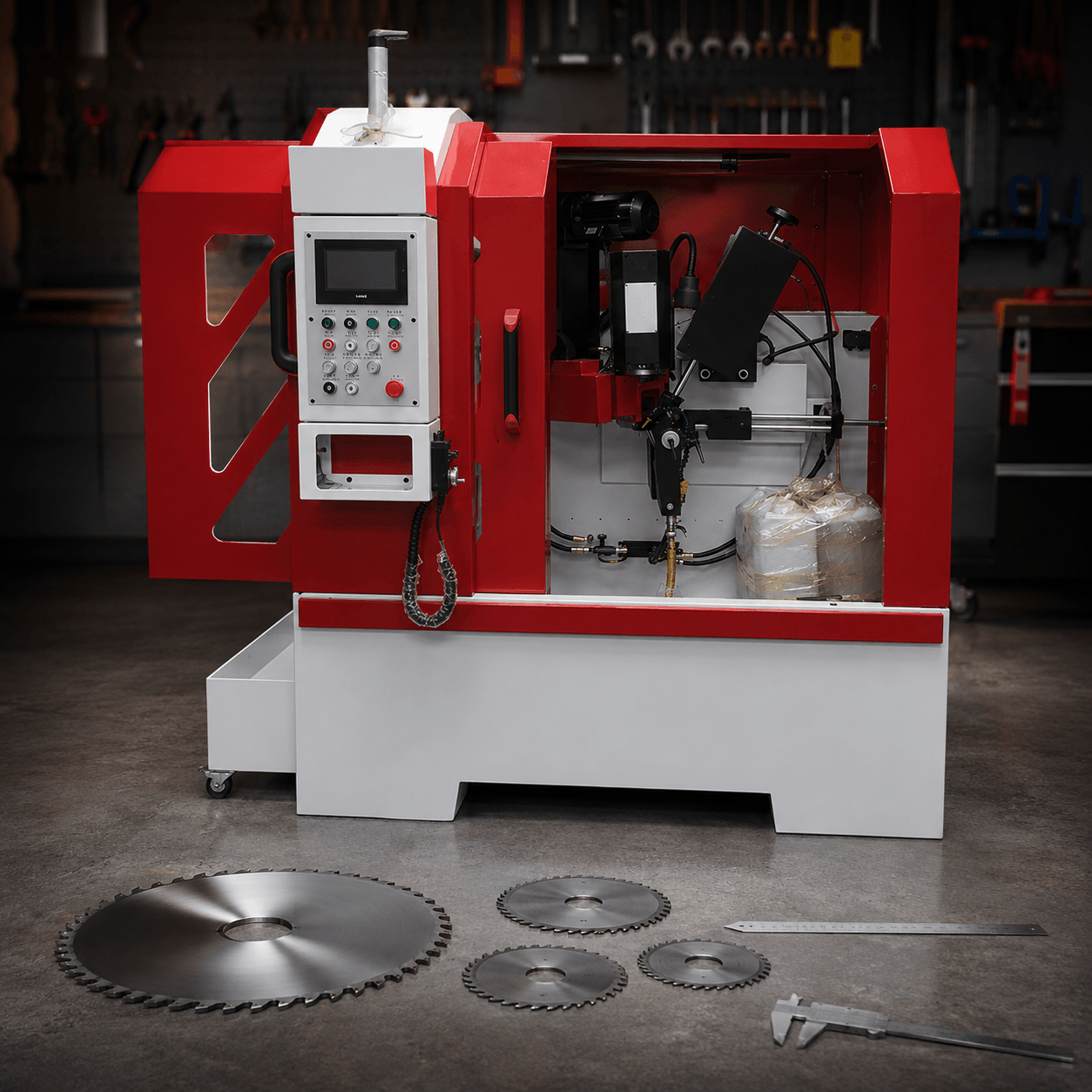
1. Pre-Operation Setup
Machine Inspection
- Verify coolant level and concentration.
- Check grinding wheel condition and balance.
- Ensure magnetic chuck or clamping system is clean and free of debris.
- Confirm all safety guards and interlocks are functional.
Workpiece Preparation
- Inspect knife straightness and edge condition before mounting.
- Clean knife surface to remove oil or residue.
- Securely clamp the knife, checking for even pressure.
2. Grinding Wheel Dressing
Proper dressing is critical for accuracy. Train operators to:
- Use a diamond dressing tool at the correct angle.
- Dress the wheel after every 3–5 passes or when glazing appears.
- Maintain wheel profile for consistent edge geometry.
For more on dressing and coolant care, see our guide on straight knife grinder maintenance.
3. Grinding Parameters
Feed Rate and Depth of Cut
- Start with rough passes at 0.02–0.05 mm depth, finish at 0.005–0.01 mm.
- Adjust feed rate based on knife material (HSS vs. carbide).
- Use spark-out passes for final accuracy.
Coolant Application
- Ensure coolant flow covers the grinding zone.
- Monitor coolant temperature; replace if contaminated.
4. In-Process Inspection
Operators should regularly check:
- Edge straightness with a straightedge or dial indicator.
- Surface finish using a comparator or profilometer.
- Knife thickness uniformity with a micrometer.
Document measurements to track trends. For related equipment, explore our blade grinding machines.
5. Post-Grinding Procedures
- Deburr edges carefully.
- Clean knife and machine of grinding swarf.
- Apply rust preventive if storing.
- Record job details: wheel used, parameters, final measurements.
6. Safety and Troubleshooting
Common Issues
- Burn marks: reduce feed rate or increase coolant.
- Chatter marks: check wheel balance or machine rigidity.
- Inconsistent edge: verify clamping and dressing.
Safety Drills
- Emergency stop location and use.
- Lockout/tagout procedures for wheel changes.
- Proper PPE: safety glasses, hearing protection, gloves.
FAQ
FAQ: How often should operators dress the grinding wheel?
Dress after every 3–5 passes or when you notice glazing or reduced cutting action. Frequent light dressing maintains accuracy better than infrequent heavy dressing.
FAQ: What is the best way to check knife straightness during grinding?
Use a dial indicator mounted on the machine table. Run the indicator along the knife edge after each pass to detect deviations. Stop and adjust if variation exceeds 0.01 mm.
FAQ: Can the same training checklist be used for different knife materials?
Yes, but adjust parameters. HSS knives tolerate higher feed rates, while carbide requires slower feeds and dedicated wheels. Always consult the wheel manufacturer’s recommendations.
FAQ: How do I reduce burn marks on hardened steel knives?
Reduce depth of cut, increase coolant flow, and ensure the wheel is sharp and properly dressed. If burning persists, switch to a softer bond wheel.
Get Professional Training Support
Weizhihao Machinery provides operator training documentation and remote support for all straight knife grinders. Contact our team to discuss your training needs and machine specifications.