
How Importers Evaluate Chinese Grinding Machine Suppliers | Weizhihao Machinery
Learn the key criteria importers use to evaluate Chinese grinding machine suppliers, from quality assurance to after-sales support. A practical B2B guide.
How Importers Evaluate Chinese Grinding Machine Suppliers
For industrial importers and factory procurement teams, sourcing grinding machines from China presents both opportunity and challenge. The market is vast, with suppliers ranging from large established manufacturers to smaller workshops. Making the right choice is critical, as the quality, reliability, and support of your grinding equipment directly impacts your production output, tooling costs, and operational efficiency. This guide outlines the structured approach professional buyers take when evaluating potential Chinese grinding machine suppliers.
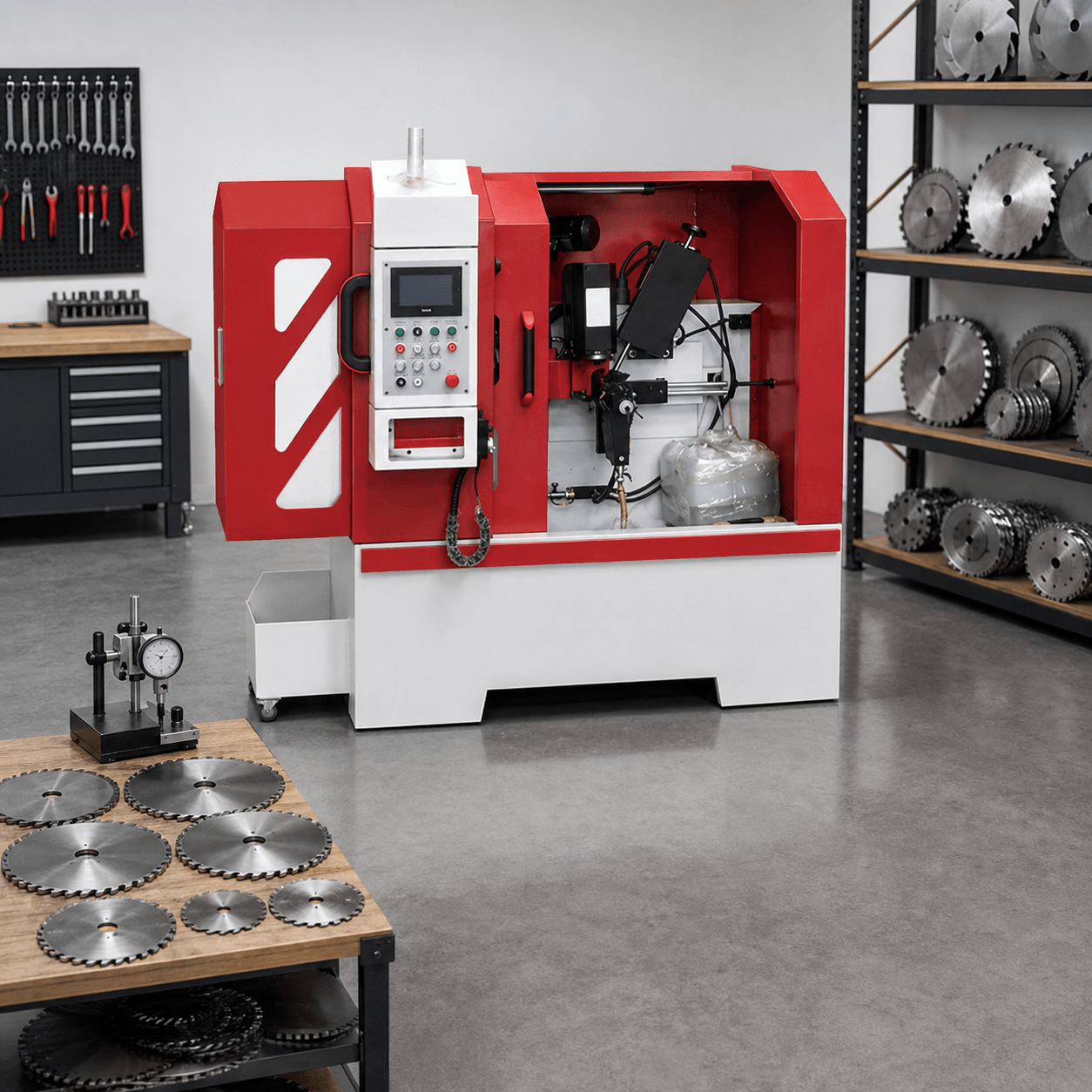
Key Evaluation Criteria for Supplier Assessment
A thorough evaluation goes far beyond comparing price lists. Experienced importers use a multi-faceted checklist to de-risk their procurement process.
1. Technical Capability and Manufacturing Focus
The first step is to assess if a supplier’s core competency aligns with your needs. A company specializing in saw blade grinders may not be the ideal source for complex universal tool grinders. Look for detailed technical specifications, sample machine videos, and clarity on the types of materials and geometries their machines can handle. Request information on their R&D team and engineering capabilities to gauge their ability to solve specific grinding challenges.
2. Quality Control and Consistency
Reliable suppliers implement rigorous quality control (QC) systems. Inquire about their ISO certification (if applicable), inspection protocols at each production stage, and the calibration of their measuring equipment. Ask for specific examples: How do they verify the spindle runout? What is their tolerance standard for the worktable flatness? Consistency between the sample machine and the production batch you receive is paramount. A visit to the factory, or a detailed video tour, can provide valuable insight into their workshop organization and QC culture.
3. Transparency in Communication and Process
Professional suppliers are transparent. They provide clear quotations that break down costs for the machine, optional accessories, crating, and shipping. They openly discuss lead times, potential bottlenecks, and their production schedule. Beware of suppliers who give vague answers or are reluctant to share detailed drawings or component brand lists (e.g., for motors, bearings, or PLCs). Clear communication is the foundation of a successful long-term partnership.
Assessing the Full Partnership: Beyond the Machine
The purchase is just the beginning. Savvy importers evaluate the entire lifecycle of the partnership.
After-Sales Support and Spare Parts Availability
This is often where the true cost of ownership is revealed. Ask targeted questions: What is the response time for technical support? Do they have English-speaking engineers? Is there a local service agent in your region? What is the warranty policy, and what does it specifically cover? Furthermore, clarify the availability and cost of critical spare parts like grinding wheels, spindle bearings, and control system components. A supplier with a well-organized parts warehouse demonstrates commitment to your machine’s long-term uptime.
References, Case Studies, and Market Reputation
Request contact information for existing clients in your country or industry. A confident supplier will gladly provide references. Look for case studies or videos showing their machines in operation at facilities similar to yours. Research their presence in professional forums and industry exhibitions. A supplier with a strong, positive reputation in the B2B market is a lower-risk choice.
Logistics and Documentation Expertise
Understanding export logistics is crucial. Your supplier should be experienced with international shipping, proper packing for sea or air freight, and providing all necessary documentation (commercial invoice, packing list, certificate of origin, etc.). They should be able to advise on Harmonized System (HS) codes for smooth customs clearance in your country.
Why a Structured Evaluation Matters for Your Business
Taking a systematic approach to evaluating Chinese grinding machine suppliers minimizes risk, avoids costly downtime, and builds a reliable supply chain. It ensures that the equipment you invest in—whether it’s a profiling knife sharpening machine for custom work or a robust blade grinding machine for your resharpening workshop—meets your quality and productivity expectations. This due diligence is not an expense; it’s an investment in your operational success.
Ready to discuss your grinding machine requirements with a manufacturer that prioritizes transparency and quality? Contact Weizhihao Machinery today for a detailed technical consultation and proposal tailored to your production needs.
Frequently Asked Questions
FAQ: What is the most common mistake importers make when sourcing from China?
The most common mistake is making a decision based solely on the lowest price. This often leads to receiving machines with inferior components, poor workmanship, and inadequate support, resulting in higher long-term costs due to frequent breakdowns and lost production. Always evaluate the total cost of ownership, including reliability and after-sales service.
FAQ: How can I verify a supplier’s quality claims before ordering?
Beyond requesting ISO certificates, ask for specific QC records from recent machine builds (e.g., inspection reports for a similar model). Conduct a video call to tour the factory floor and ask the production manager to show you specific testing procedures for a machine. Request a reference from an overseas client and ask them about the machine’s performance and the supplier’s responsiveness.
FAQ: Should I use a trading company or buy directly from the manufacturer?
Both have pros and cons. A trading company may offer easier communication and handle all logistics, but at a higher margin. Buying directly from a manufacturer like Weizhihao can provide better technical insight, potential for customization, and more direct communication with the engineering team. The best choice depends on your internal resources and the complexity of your purchase. For specialized machines, direct manufacturer contact is often advantageous.
FAQ: What key spare parts should I consider ordering with the initial machine?
It is wise to order a initial stock of critical wear-and-tear parts that are specific to your machine model. Common items include a set of precision grinding wheels, spindle bearings, drive belts, and a spare set of contactors or sensors for the electrical panel. Discuss with your supplier which parts are most critical for your usage intensity to ensure you have them on hand to minimize any potential downtime.