
Saw Blade Grinder Maintenance Mistakes That Increase Tooling Cost
Avoid common saw blade grinder maintenance errors that lead to higher tooling costs. Learn practical tips for industrial workshops to extend equipment life.
Saw Blade Grinder Maintenance Mistakes That Increase Tooling Cost
In industrial sharpening workshops, a reliable saw blade grinder is a core asset for maintaining cutting efficiency and managing operational expenses. However, even the most robust machinery can suffer from premature wear and unexpected downtime if maintenance is handled incorrectly. For B2B buyers, importers, and factory purchasing teams, understanding these pitfalls is crucial for controlling long-term tooling costs and ensuring consistent production output. This article outlines the most common maintenance mistakes that can silently inflate your expenses and provides actionable guidance to avoid them.
Ignoring Regular Calibration and Alignment Checks
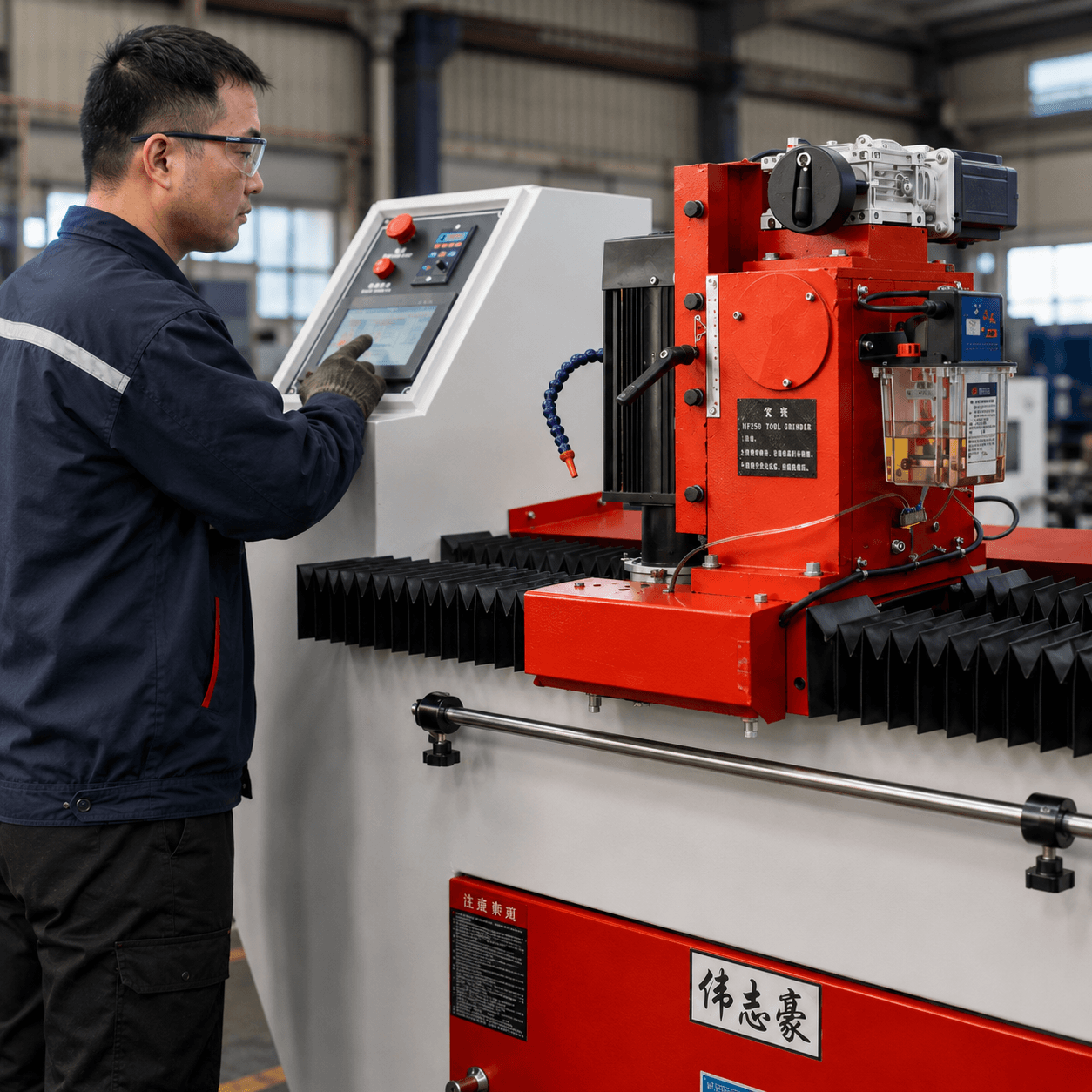
One of the most frequent yet overlooked errors is neglecting the regular calibration of the grinder. Over time, vibrations, temperature changes, and normal usage can cause the machine’s components to drift out of perfect alignment. An uncalibrated saw blade grinder will produce blades with inconsistent tooth geometry, leading to poor cuts, increased material waste, and accelerated wear on both the blade and the grinder itself. This forces more frequent resharpening cycles and premature blade replacement, directly increasing tooling costs. Implementing a strict schedule for alignment verification, using precision tools, is a non-negotiable practice for cost-effective operation.
Using Incorrect Coolant or Poor Coolant Management
Coolant is not just a consumable; it is a critical component of the grinding process. A common mistake is using the wrong type of coolant or failing to maintain its concentration and cleanliness. Contaminated or improperly mixed coolant can cause thermal damage to the blade tips, leading to micro-cracks and a significantly shortened blade life. Furthermore, poor coolant flow fails to effectively dissipate heat and flush away metal swarf, resulting in a poor surface finish on the ground tooth and potential clogging of the grinder’s mechanisms. Proper filtration, regular concentration testing, and timely coolant replacement are essential maintenance steps that protect your investment in both the blades and the grinding machine.
Neglecting Wheel Dressing and Replacement
The grinding wheel is the heart of the sharpening process, and its condition directly dictates quality and cost. Operators often run wheels until they are visibly glazed or damaged, which is a costly error. A worn or loaded wheel generates excessive heat, requires more passes to achieve the desired sharpening, and can damage the blade’s carbide tips. This not only wastes time and energy but also drastically reduces the number of resharpenings a blade can undergo before it must be discarded. Establishing a routine for wheel dressing to maintain sharp abrasive grains and a clear cutting profile is vital. Additionally, tracking wheel usage and replacing it before complete failure prevents damage to the blade grinding machine‘s spindle and fixtures.
Overlooking Lubrication of Mechanical Parts
Grinders contain numerous moving parts, such as linear guides, ball screws, and pivoting mechanisms, that require regular lubrication. Skipping this basic maintenance task leads to increased friction, premature component wear, and can eventually cause the machine to seize or operate with reduced precision. The cost of repairing or replacing these high-tolerance mechanical parts far exceeds the cost of a regular lubrication schedule. Always use the manufacturer-recommended lubricants and adhere to the prescribed intervals to ensure smooth, precise operation and avoid unplanned downtime.
Failing to Maintain Electrical and Control Systems
Modern grinders, especially CNC models, rely on sophisticated electrical and control systems. Dust, metal debris, and coolant mist can infiltrate control panels, motors, and sensors if not properly sealed and cleaned. This can lead to faulty signals, erratic machine behavior, and catastrophic control system failures. Regular cleaning of electrical cabinets, checking for loose connections, and ensuring proper environmental controls are simple steps that prevent expensive electrical repairs and production halts.
The True Cost of Inadequate Training
Perhaps the most significant mistake is assuming that any operator can perform maintenance without proper training. An untrained operator may misinterpret machine warnings, use incorrect procedures for adjustments, or miss early signs of a developing problem. Investing in comprehensive training for your technical team ensures that maintenance is performed correctly and proactively, maximizing the lifespan of your equipment and the blades it sharpens.
Conclusion: Proactive Maintenance Protects Your Bottom Line
For industrial buyers and factory managers, the purchase price of a saw blade grinder is just one part of the total cost of ownership. Unplanned maintenance, premature blade failure, and production downtime are the true cost drivers. By avoiding these common maintenance mistakes—regular calibration, proper coolant and wheel management, diligent lubrication, electrical system care, and thorough training—you can significantly extend the life of your tooling and machinery. This proactive approach ensures consistent quality, reduces operational costs, and safeguards your return on investment.
Looking to optimize your workshop’s sharpening operations? Explore our range of precision grinding equipment or contact our B2B sales team for expert advice tailored to your production needs.
Contact Us for a Consultation on Your Grinding Needs
FAQ: How often should a saw blade grinder be calibrated?
Calibration frequency depends on usage intensity and environmental factors. For high-volume workshops, a monthly check is recommended. At minimum, a quarterly verification by a trained technician should be scheduled to ensure consistent blade quality and prevent costly errors.
FAQ: What are the signs of a worn grinding wheel?
Key indicators include increased noise or vibration during grinding, a noticeable decrease in sharpening efficiency requiring more passes, and a poor surface finish on the blade teeth. Visually, the wheel may appear glazed, loaded with metal particles, or have uneven edges.
FAQ: Can using the wrong coolant damage my saw blade grinder?
Yes. Incorrect coolant chemistry can lead to corrosion of machine components, clog filtration systems, and fail to provide adequate cooling and lubrication. This accelerates wear on both the grinder and the blades, leading to higher tooling and maintenance costs over time.
FAQ: Why is operator training so important for grinder maintenance?
Proper training ensures operators can perform daily checks correctly, identify early warning signs of issues, and execute routine maintenance procedures safely and effectively. This minimizes the risk of operator-induced errors that can lead to machine damage, unplanned downtime, and increased long-term costs.