
Blade Grinding Machine Buying Checklist for Industrial Resharpening Workshops
Discover the essential checklist for purchasing blade grinding machines in industrial resharpening workshops. Ensure optimal performance and ROI with our guide.
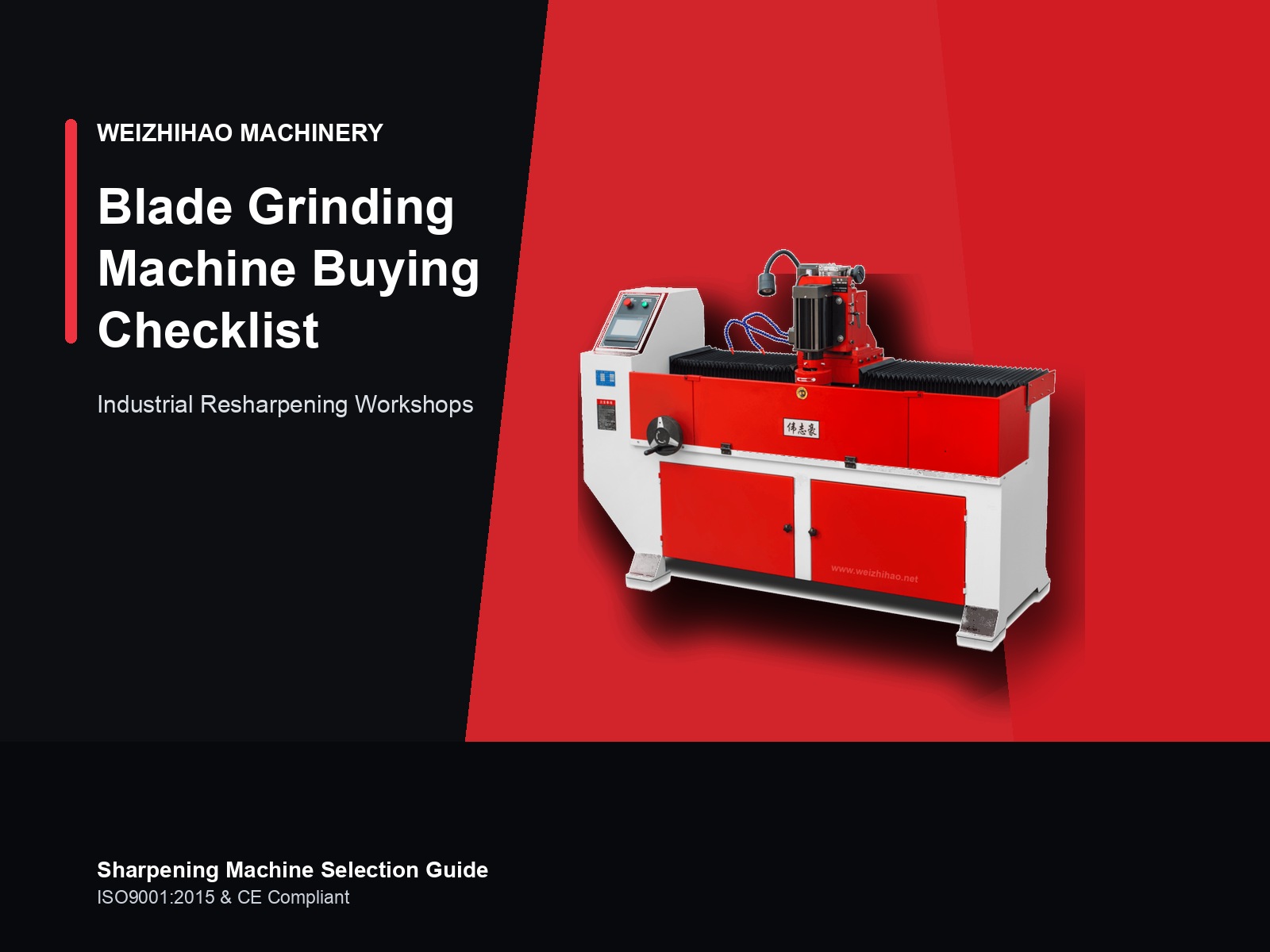
Blade Grinding Machine Buying Checklist for Industrial Resharpening Workshops
In the competitive landscape of industrial resharpening, selecting the right blade grinding machine is a critical decision that affects productivity, precision, and profitability. For workshop managers, importers, and factory purchasing teams, a systematic approach is essential to avoid costly mistakes. This comprehensive checklist outlines the key factors to consider, ensuring you invest in machinery that aligns with your operational demands and long-term goals.
1. Evaluating Your Workshop’s Specific Needs
Start by analyzing your current and projected workload. Identify the primary types of blades you resharpen, such as circular saw blades, straight knives, or profiling tools. Consider the materials you handle—high-speed steel, carbide-tipped, or other alloys—as this influences machine compatibility. Assess your daily volume: high-throughput workshops may require automated solutions, while smaller operations might prioritize flexibility. Documenting these needs creates a clear baseline for your search.
2. Critical Technical Specifications to Review
Technical details determine machine capability and suitability. Focus on grinding capacity, which includes maximum blade diameter, thickness, and tooth pitch. Motor power and spindle speed affect grinding efficiency and finish quality. Look for adjustable angle settings for precise tooth geometry and integrated coolant systems to prevent overheating and extend blade life. Control systems, from manual dials to CNC interfaces, should match your team’s skill level and precision requirements.
3. Understanding Machine Types and Their Applications
Blade grinding machines vary by design and function. Universal tool grinders offer versatility for multiple tool types, while specialized machines like saw blade grinders are optimized for circular saws with features for tooth spacing and top grinding. For woodworking and veneer applications, straight knife grinders provide the flatness and edge consistency needed. Profiling knife sharpening machines handle complex geometries. Evaluate automation levels—semi-automatic or fully CNC—to balance labor costs and output consistency.
4. Supplier Reliability and After-Sales Support
A trustworthy supplier is as important as the machine itself. Research manufacturers with a proven history in industrial machinery, focusing on their expertise in blade grinding. Inquire about technical support, warranty terms, and availability of spare parts. Comprehensive after-sales services, including installation guidance, operator training, and maintenance programs, minimize downtime and ensure smooth operations. Request references or case studies from similar workshops to gauge reliability.
5. Budget Considerations and Total Cost of Ownership
While upfront cost matters, prioritize total cost of ownership. Factor in maintenance expenses, energy consumption, and potential production losses from machine downtime. Higher-quality machines may have a steeper initial price but often deliver better ROI through enhanced durability, lower error rates, and higher throughput. Compare financing options or leasing programs that can ease cash flow for importers and large-scale buyers.
6. Maintenance, Durability, and Integration
Assess the machine’s build quality—look for robust materials like cast iron frames and hardened guides that withstand industrial use. Ease of maintenance is key; accessible components and clear documentation reduce service time. Consider how the machine integrates with your existing workflow, such as compatibility with dust extraction systems or software for production tracking. A scalable machine that can adapt to future needs adds long-term value.
7. Compliance and Safety Standards
Ensure the machine meets relevant industry safety and environmental standards. Check for certifications like CE marking or ISO compliance, which indicate adherence to quality and safety protocols. Features like emergency stop buttons, protective guards, and low-noise operation contribute to a safer workshop environment, reducing liability risks for your business.
Frequently Asked Questions
FAQ: What is the most common mistake when buying a blade grinding machine?
The most common mistake is focusing solely on price without considering long-term operational needs. This can lead to purchasing a machine that is underpowered, incompatible with your blade types, or lacking in support, resulting in higher costs and downtime over time.
FAQ: How do I verify a supplier’s reliability before purchasing?
Verify reliability by requesting client testimonials, visiting manufacturing facilities if possible, and assessing their responsiveness to technical inquiries. A reliable supplier will provide transparent information about their products and support services, helping you make an informed decision.
FAQ: Can one machine handle multiple blade types in a resharpening workshop?
Yes, some machines like universal tool grinders are designed for versatility, but specialized machines often deliver higher precision for specific blades. Evaluate your workshop’s diversity; if you handle a wide range, a versatile machine may be cost-effective, but for high-volume specialized work, dedicated machines are preferable.
FAQ: What training is typically provided with industrial grinding machines?
Reputable suppliers usually offer basic operational training, covering machine setup, safety procedures, and routine maintenance. Advanced training on programming for CNC models or troubleshooting may also be available. Ensure training is included in your purchase agreement to maximize machine utilization.
Conclusion: Take the Next Step with Confidence
Selecting a blade grinding machine is a strategic investment that requires careful planning. Use this checklist to systematically evaluate options, balancing technical specifications with supplier support and total cost. For workshops seeking reliable solutions, explore a range of industrial grinding machines at Weizhihao Machinery’s product catalog, where quality meets practicality.
Ready to enhance your resharpening operations? Contact Weizhihao Machinery today for personalized consultations, detailed specifications, and competitive quotations tailored to your industrial needs.