
How to Choose a Straight Knife Grinder for Woodworking and Veneer Shops

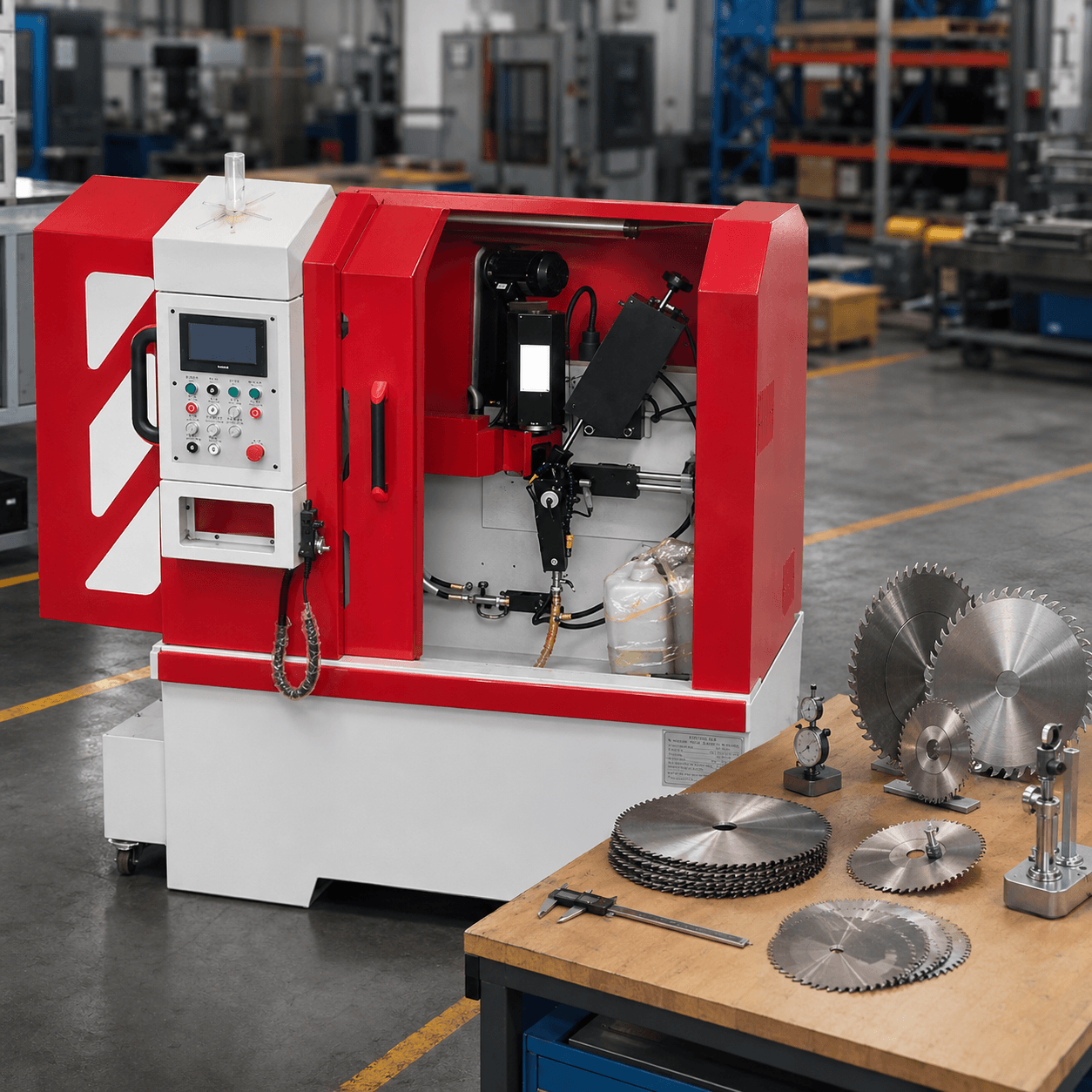
In the woodworking and veneer industry, maintaining sharp, precise blades is critical for quality output and operational efficiency. A straight knife grinder is an indispensable tool for workshops, veneer shops, and saw blade repair facilities, ensuring that blades are sharpened accurately to extend their lifespan and reduce downtime. For B2B buyers such as woodworking factories, machinery importers, and distributors, selecting the right grinder involves balancing performance, reliability, and cost-effectiveness. This guide provides practical insights to help you make an informed decision without relying on specific machine parameters, focusing instead on key considerations that align with your business needs.
Understanding Your Workshop Requirements
Before evaluating grinders, assess your specific operational demands. Consider the volume of blades you process daily, the types of wood or veneer materials you work with, and the precision required for your end products. For instance, high-volume veneer shops may prioritize grinders that offer consistent results with minimal manual intervention, while smaller workshops might value versatility and ease of use. Additionally, think about future scalability—choosing a grinder that can adapt to growing production needs can save costs in the long run. By clarifying these requirements upfront, you can narrow down options that best fit your workflow.
Key Factors in Selecting a Straight Knife Grinder
Grinder Type and Mechanism
Straight knife grinders come in various types, including manual, semi-automatic, and fully automatic models. Manual grinders are often more affordable and suitable for low-volume shops, but they require skilled operators for consistent results. Semi-automatic and automatic grinders enhance productivity by reducing human error and speeding up the sharpening process, making them ideal for busy factories or repair shops. Evaluate the mechanism based on your team’s expertise and production pace—opt for models that simplify operation without compromising on sharpening quality.
Compatibility with Various Blade Sizes
Blade compatibility is crucial, as woodworking and veneer shops often use a range of blade dimensions. Look for grinders that can accommodate different lengths, widths, and thicknesses without requiring frequent adjustments or additional accessories. A versatile grinder ensures you can handle diverse blade types, from planer knives to veneer slicers, maximizing your equipment’s utility. When in doubt, consult with suppliers to confirm compatibility with your existing blade inventory.
User-Friendliness and Safety Features
Ease of operation directly impacts productivity and training costs. Choose grinders with intuitive controls, clear instructions, and ergonomic designs that minimize operator fatigue. Safety features such as emergency stop buttons, protective guards, and stable bases are non-negotiable in B2B settings to prevent workplace accidents and comply with industry standards. Prioritize models that come with comprehensive safety certifications or guidelines, ensuring a secure environment for your staff.
Long-Term Maintenance and Build Quality
Durability and maintenance requirements affect total cost of ownership. Grinders constructed with high-quality materials, such as robust cast iron or steel frames, tend to withstand heavy use and last longer. Consider ease of maintenance—models with accessible components for cleaning and part replacement can reduce downtime. While avoiding specific tolerances or motor details, focus on supplier reputation for build quality and after-sales support, as these indicators often reflect long-term reliability.
Evaluating Supplier Credibility
For B2B buyers, the supplier’s reliability is as important as the machine itself. Research potential suppliers’ track records, customer reviews, and industry experience. A trustworthy supplier should offer transparent communication, technical assistance, and warranty options. Request references from similar businesses, such as other woodworking factories or distributors, to gauge satisfaction levels. Building a partnership with a reputable supplier ensures ongoing support and access to upgrades or spare parts when needed.
Step-by-Step Buying Guide for B2B Buyers
Follow these practical steps to streamline your purchasing process:
- Assess Needs: Document your blade types, production volume, and budget constraints to create a clear buyer profile.
- Research Options: Explore market offerings through industry trade shows, online platforms, and supplier catalogs. For a comprehensive selection, visit our straight knife grinder category to see various models tailored for different applications.
- Request Demos or Samples: Where possible, ask for demonstrations or trial periods to test grinder performance in your workshop environment.
- Compare Quotations: Obtain detailed quotes from multiple suppliers, focusing on total value rather than just upfront cost. Include factors like shipping, installation support, and training.
- Check After-Sales Service: Ensure the supplier provides robust technical support, warranty coverage, and easy access to spare parts. Explore our full range of machinery at Weizhihao Machinery products for integrated solutions.
- Negotiate Terms: Discuss payment terms, delivery schedules, and customization options to align with your business cycles.
This approach helps mitigate risks and ensures you invest in a grinder that delivers consistent results over time.
Frequently Asked Questions
What industries benefit most from straight knife grinders?
Straight knife grinders are essential in woodworking factories, veneer production shops, saw blade repair services, and any business involved in blade maintenance for cutting or planing operations. They are also valuable for machinery distributors who supply equipment to these sectors.
How can I ensure the grinder fits my specific blade types?
Start by listing your blade dimensions and materials. Consult with suppliers to verify compatibility, and request technical specifications or demonstrations. Many grinders offer adjustable features to handle a variety of blades, but confirming this upfront avoids mismatches.
What after-sales support should I expect?
Look for suppliers that offer comprehensive support, including installation guidance, operator training, warranty services, and prompt technical assistance. Reliable after-sales service minimizes downtime and ensures your grinder operates at peak efficiency.
Is it possible to test the grinder before bulk purchase?
Yes, many suppliers provide demo units or trial periods for B2B clients. This allows you to evaluate performance in your actual workshop setting, ensuring the grinder meets your quality and productivity standards before committing to a larger order.
Ready to Upgrade Your Equipment?
Choosing the right straight knife grinder can significantly enhance your workshop’s efficiency and output quality. At Weizhihao Machinery, we specialize in providing durable, high-performance grinders designed for the demands of woodworking and veneer shops. Our team is committed to offering personalized solutions, competitive pricing, and reliable support to help your business thrive.
Take the next step: Contact us today for a customized B2B quotation. Discuss your specific needs with our experts and discover how our straight knife grinders can optimize your operations. Visit our website for more information or to request a consultation.
Need a machine quote? Send your blade type, size range, production needs, and destination country by WhatsApp, or use Contact Weizhihao. Machine videos are available on YouTube.
